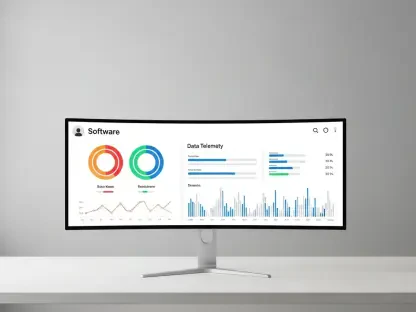

The mobile landscape has reached a definitive turning point where the operating system no longer serves as a simple intermediary for applications but instead acts as a proactive agent capable of anticipating human intent. This fundamental shift is the cornerstone of the upcoming release of Android 17, which is currently undergoing rigorous testing under the internal codename “X” as it approaches a scheduled public rollout in late 2026. Rather than relying on incremental updates to existing frameworks, the new platform emphasizes a transition toward agentic artificial intelligence, where the device manages complex tasks autonomously across different service layers. This evolution aims to bridge the gap between static software environments and dynamic, context-aware digital assistants that can interpret the physical world in real time. The focus remains on transforming the smartphone from a reactive tool into a predictive companion that streamlines productivity while maintaining a sophisticated visual identity that feels both modern and utilitarian for the average consumer.
Material Vivid and the Evolution of Glassmorphism
A significant part of the user experience overhaul centers on the “Material Vivid” aesthetic, which represents the next logical progression of the design language that has defined the platform for several years. This new visual direction leans heavily into the concept of glassmorphism, utilizing sophisticated translucency and frosted glass effects to create a sense of depth and hierarchy within the interface. Elements such as volume sliders, the power menu, and system dialogs now appear as layered panes that react to the colors and light of the background content, providing a more immersive and tactile feel. By moving away from flat surfaces and solid blocks of color, the interface achieves a level of elegance and clarity that helps users distinguish between active tasks and background processes. The implementation of these translucent layers is not merely decorative; it serves a functional purpose by maintaining spatial awareness for the user as they navigate through multiple application windows and complex system menus.
Functional efficiency is further enhanced by the introduction of the “Dual-Shade” user interface, a radical departure from the unified notification shade that has been a staple of the ecosystem for over a decade. In this new configuration, swiping down from the top-left corner of the screen provides exclusive access to a refined notification panel that incorporates “Magic Summaries” to condense lengthy alert threads into digestible snippets. Conversely, a swipe from the top-right corner reveals a dedicated Control Center, which features fully customizable and resizable toggles that allow for a highly personalized management experience. This separation reduces cognitive load by clearly defining the spaces for information consumption and system control, ensuring that users can access their most important settings without sifting through a sea of notifications. This layout is particularly effective on larger displays, where the additional screen real estate can be leveraged to show more granular controls without overwhelming the primary visual field.
Agentic Artificial Intelligence and Project Astra Integration
The integration of “Project Astra” serves as the intellectual backbone of this update, marking a milestone in how mobile devices perceive and interact with the physical environment through the lens of the camera. This technology enables the operating system to maintain a continuous, privacy-conscious visual awareness, effectively allowing the device to see and remember objects or text within the user’s surroundings. A standout application of this capability is Contextual Memory, a feature that allows a user to query the internal AI to locate physical items, such as keys or a wallet, that were previously captured in the camera’s field of view. By indexing visual data locally, the system can provide precise answers regarding the location of misplaced belongings without the need for manual tagging or specialized tracking hardware. This advancement represents a shift toward a more symbiotic relationship between users and their devices, where the software acts as an extension of human perception rather than just a digital workspace.
Beyond visual recognition, the platform introduces Live Translation 2.0, which utilizes hardware-level acceleration to provide near-instantaneous text overlays on the camera viewfinder without any perceptible lag. This feature is particularly useful for navigating foreign environments or interpreting complex technical manuals, as it translates text within its original context and format. To support these demanding AI processes, the operating system has been optimized to handle agentic tasks that require significant computational power without sacrificing battery longevity or thermal performance. The architecture allows for more sophisticated background processing, where the AI can execute multi-step routines, such as organizing a travel itinerary or managing a calendar, based on minimal user input. This level of autonomy is achieved through a combination of on-device machine learning models and secure cloud-based processing, ensuring that the most sensitive tasks are handled with the highest degree of speed and data integrity for every modern smartphone user.
Professional Media Tools and Enhanced System Security
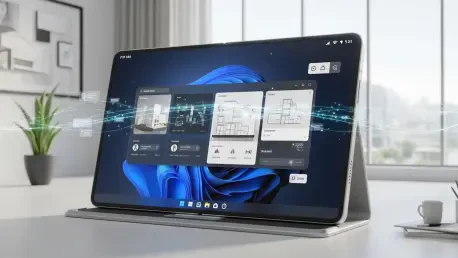
For professional users and creators, the focus shifts toward bridging the gap between mobile flexibility and desktop-level productivity, especially on large-screen devices like tablets and foldables. The new desktop-class windowing system introduces advanced snap layouts that allow users to tile multiple applications with precision, mirroring the multitasking capabilities found on traditional personal computers. A persistent taskbar at the bottom of the screen provides quick access to frequently used applications and recently opened files, facilitating rapid switching between different workflows. This environment is designed to support a high degree of interoperability, where data can be seamlessly dragged and dropped across different window boundaries. By treating the mobile interface as a scalable workspace, the platform empowers users to engage in complex content creation or data analysis without feeling restricted by the inherent limitations of a handheld device. This approach is essential for modern professionals who demand a versatile tool.
Mobile photography receives a substantial upgrade with the introduction of the RAW14 format, which enables the capture of 14-bit per pixel data to deliver professional-grade dynamic range and color accuracy. This development is a boon for digital artists and photographers who require the maximum amount of information for post-processing, allowing for greater flexibility in recovering highlights and shadows. Additionally, a new floating screen recording toolbar has been integrated into the system, offering real-time annotation tools that allow users to draw or highlight specific areas of the screen during a recording session. This feature is specifically tailored for the growing community of educators and content creators who need to produce high-quality tutorials or demonstrations directly from their mobile devices. The inclusion of these high-fidelity media tools underscores a commitment to treating the smartphone as a legitimate instrument for professional creative work, providing the necessary infrastructure to compete with dedicated cameras.
Strategic Deployment and Device Compatibility Roadmap
Security and hardware longevity have also seen major enhancements through the implementation of a Native App Lock and a comprehensive Battery Health Dashboard. The Native App Lock allows users to secure individual applications using biometric authentication, such as fingerprint or facial recognition, without the need for third-party software that often compromises system stability. This provides a granular layer of privacy for sensitive information, such as banking apps or private messaging services, which is managed directly at the system level. Simultaneously, the new Battery Health Dashboard offers transparent insights into the physical state of the device’s power cell, tracking the total number of charge cycles and providing an estimate of cell degradation over time. This data is crucial for users who intend to keep their devices for several years, as it allows for better-informed decisions regarding charging habits and the potential need for hardware service, thereby extending the overall lifecycle of the smartphone.
The deployment of this new ecosystem was strategically timed to coincide with the launch of the latest flagship hardware, ensuring that the software and silicon were perfectly synchronized for optimal performance. Manufacturers across the industry, including Google, Samsung, and OnePlus, finalized their compatibility lists to include a wide range of devices released over the past two years, making the transition accessible to a broad user base. Organizations and developers prioritized the adoption of these new AI frameworks to ensure their applications remained competitive in a market that increasingly valued autonomy and visual sophistication. Users who prepared for this update by auditing their device security and backing up critical data found the transition to be a seamless shift into a more intelligent computing era. Ultimately, the focus on agentic capabilities and professional-tier tools successfully redefined the expectations for what a mobile platform could achieve, setting a new standard for the next decade of digital interaction.