
The upcoming release of iOS 27 and watchOS 27 in the fall of 2027 represents a critical turning point where the focus shifts from purely aesthetic overhauls to deep-seated functional maturity and system reliability. For years, the digital experience was defined by visible shifts in iconography or widget placement, but the newest iterations prioritize an underlying architecture that emphasizes speed, legibility, and integrated intelligence. This strategic pivot aims to rectify previous software shortcomings by introducing “Invisible AI,” a framework where machine learning operates quietly in the background to streamline workflows without requiring constant user intervention. Rather than bombarding users with new toggles and menus, the development teams are focusing on making the existing interface feel snappier on a wider range of hardware, ensuring that even older devices benefit from optimized resource management. This shift toward a more responsive and practical ecosystem signals a move away from the experimental phases of generative technology toward a stage of reliable, everyday utility for everyone.
Advancing Intelligence: Integrating Siri AI
Contextual Awareness and Data Integration
Siri AI has undergone a massive transformation by integrating proprietary foundation models with advanced Google Gemini technology to provide a more nuanced understanding of personal context. This hybridization allows the assistant to possess deep screen awareness, meaning it can interpret what a person is currently viewing and offer relevant actions based on that specific visual data. For instance, if a user is looking at a series of emails regarding a dinner party, the assistant can automatically synthesize those disparate threads into a single, organized shopping list within the Reminders app. This level of cross-app intelligence eliminates the need for manual copy-pasting or switching between various interfaces to find hidden details. By focusing on the relationships between messages, calendar events, and notes, the system creates a cohesive digital environment where the AI anticipates the next logical step in a routine, making the entire interaction feel more natural and significantly less cumbersome for the average user.
Beyond simple data retrieval, the new intelligence layer facilitates complex task execution that was previously impossible without significant manual input or third-party automation tools. Users can now ask the assistant to locate specific information buried in past conversations, such as a physical address sent six months ago or a tracking number from a recent shipment, without knowing exactly which application the data resides in. The system’s ability to parse through high volumes of personal data while maintaining strict on-device privacy standards ensures that the benefits of large language models are realized without compromising security. This approach to data integration transforms the iPhone from a collection of isolated applications into a unified personal hub. As these models continue to learn from individual usage patterns, the speed and accuracy of these contextual suggestions will only improve, providing a tailored experience that feels unique to each user while maintaining a consistent and professional tone across all system interactions.
Conversational Intelligence on Wearables
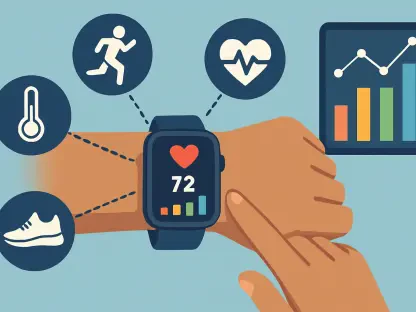
On the wearable front, watchOS 27 introduces a level of utility that fundamentally changes how individuals interact with their devices by enabling continuous back-and-forth dialogues. This conversational intelligence means that the watch no longer treats each query as an isolated event but instead understands the broader context of a multi-step activity. For example, during a complex workout session, the device can provide real-time coaching adjustments based on biometric feedback and previous performance history, allowing for a fluid exchange of information without the user needing to stop or touch the screen. If a runner asks about their current pace compared to their goal, the AI can follow up by suggesting a specific change in heart rate zones or recommending a hydration break based on the ambient temperature and duration of the exercise. This eliminates the friction of traditional voice commands, creating a more helpful and intuitive assistant that feels like a proactive partner in long-term health and fitness.
This newfound conversational depth extends into various household and professional scenarios, such as following detailed culinary instructions or managing a complex sequence of smart home adjustments. While in the kitchen, a person can follow a recipe step-by-step, asking the watch for specific conversions or timer settings without having to restart the digital session for every new instruction. The intelligence engine maintains the state of the conversation, allowing for natural pauses and follow-up questions that feel like talking to a human assistant. Furthermore, the integration of ambient sensors allows the watch to recognize when a user is preoccupied, adjusting its feedback style to be more concise or purely haptic when silence is required. This focus on hands-free efficiency ensures that the wearable remains a powerful tool in environments where manual interaction is difficult, further solidifying its role as an essential extension of the ecosystem’s core intelligence capabilities and technical reach.
Performance Optimization: Design and Speed
Design Refinement: Aesthetics and Legibility
The aesthetic direction for iOS 27 builds upon the previously introduced design language but with a renewed focus on user control and visual clarity. One of the most significant additions is a dedicated transparency slider located within the Settings app, which grants users the ability to fine-tune the interface’s blur and opacity levels. This feature directly addresses long-standing feedback regarding legibility issues where frosted glass effects often made text difficult to read against vibrant or busy wallpapers. By allowing a transition from a crystal-clear appearance to a heavily frosted or even solid background, the system ensures that every notification and button remains perfectly legible across diverse environments. This level of customization demonstrates a commitment to accessibility, acknowledging that visual preferences vary widely among the global user base and that a one-size-fits-all approach is no longer sufficient for a modern and sophisticated operating system.
Consistency across the ecosystem remains a priority, and these design refinements extend seamlessly to the wrist, where screen real estate is at a premium. The updated visual framework utilizes high-contrast elements and dynamic font scaling to ensure that critical information is visible at a glance, even in bright sunlight or during high-intensity movement. Icons and menus have been subtly redesigned to reduce visual clutter, favoring clean lines and intuitive spacing that guide the eye toward the most important data points. This refined design language is not just about looking better; it is about reducing the cognitive load required to navigate the device during a busy day. By prioritizing functional aesthetics, the software creates a more calming and organized digital space, where the hardware and software feel like a single, cohesive unit. This approach ensures that the interface remains modern and fresh while strictly adhering to the principles of clarity and ease of use.
Technical Utility: Connectivity and Financial Tools
Performance optimization is a core pillar of the 2027 software updates, with an emphasis on making the entire system feel more responsive regardless of the age of the hardware. Connectivity protocols have received a massive overhaul, resulting in AirDrop transfer speeds that are up to 80% faster than previous versions, which is a major advantage for professionals moving large 8K video files or high-resolution photo libraries between devices. This improvement is mirrored in the Messages app, which now includes a dedicated progress bar for media transmissions and an automatic retry feature for failed uploads on unstable networks. These technical refinements ensure that data flows seamlessly across the ecosystem, reducing the frustration of dropped connections or slow syncing. By optimizing the background processes that handle data movement, the system provides a more dependable foundation for both personal and professional communication, reinforcing the software’s reputation for speed.
In the coming months, users should focus on auditing their current digital subscriptions through the new automated Wallet tools to maximize their financial efficiency. The implementation of these advanced navigation and communication protocols suggested that the most effective software is that which requires the least amount of active management from the human operator. Developers were encouraged to leverage the enhanced Siri AI APIs to create even more context-aware applications that anticipate user needs before a command is ever voiced. As the ecosystem matured, the transition toward gesture-based navigation on wearables provided a template for how all future human-computer interfaces might eventually function. By adopting these updates, individuals were able to reclaim time previously lost to manual data entry and navigation, effectively turning their devices into proactive assistants. The software continued to prioritize high-speed connectivity and reliability, ensuring that technology served the user’s life.