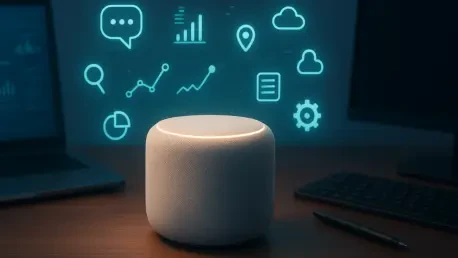

By integrating Matter, Thread, and Wi-Fi protocols, the HomeAgent serves as a unified central nervous system that coordinates disparate devices from multiple major manufacturers. The smart home industry is currently navigating a pivotal transition from simple automated schedules to sophisticated AI ecosystems that can learn and adapt to user behavior. While these advancements promise increased efficiency and home security, they often rely on cloud-based processing that necessitates the transmission of personal data to external servers. UGREEN is disrupting this model with a local AI hub that performs complex machine learning tasks entirely within the home. This approach addresses a significant pain point for modern consumers who desire the convenience of high-level automation without sacrificing their privacy to third-party corporations. By focusing on localized computational power, the hub provides a secure alternative for those who want to maintain absolute control over their domestic data while enjoying a responsive environment.
Localized Intelligence: Specialized Silicon and On-Site Processing
The technical foundation of this system rests on Uliya, a local Large Language Model that allows the hub to process natural language commands without an active internet connection. Most mainstream smart assistants require a persistent link to a remote server because standard home routers and controllers lack the memory and specialized processing power to handle AI inference locally. To overcome this hurdle, the hub integrates a high-performance Neural Processing Unit directly into its processor, delivering 26 Tera Operations Per Second of AI performance and 16 gigabytes of RAM. This hardware configuration enables the device to manage complex routines and analyze sensor data in real-time. By keeping the computational load on-site, the hub eliminates the latency issues associated with cloud communication and ensures that a user’s private interactions are never used to train external models, effectively creating a firewall between the home and the digital world.
Beyond basic voice interaction, the specialized hardware supports deep behavioral analysis that allows the system to optimize home energy usage and security settings automatically. Because the intelligence is decentralized from the cloud, the hub can continue to monitor and respond to environmental triggers even if the primary internet service provider suffers a disruption. This local-first philosophy is critical for high-stakes applications like perimeter security or elder care, where a loss of connectivity could otherwise lead to a failure in automated response systems. Furthermore, the inclusion of substantial local memory allows the hub to store extensive historical data for long-term trend analysis without incurring storage fees. This architectural choice prioritizes hardware performance over server reliance, offering a level of reliability that traditional cloud-dependent hubs cannot match. It signifies a broader movement in the technology sector toward self-sufficient edge computing where the power of the AI is directly proportional to the quality of the hardware.
Private Storage: The Future of Digital Autonomy
In addition to its role as a coordinator, the device integrates powerful Network-Attached Storage and Network Video Recorder capabilities to centralize the home’s digital assets. With three SATA 3.0 bays and an M.2 NVMe slot, users can store high-definition security footage and personal media behind a private firewall, avoiding the recurring costs of cloud storage subscriptions. Running on the UGOS Pro operating system, the hub provides encrypted file management and remote access, ensuring that sensitive documents and family photos are protected from external breaches. This convergence of a smart hub and a NAS address the growing issue of data sprawl by providing a single, secure location for all home-related information. The inclusion of enterprise-level features like file versioning and real-time encryption further enhances the security of the stored information. By merging these categories of hardware, the system provides a comprehensive solution for digital sovereignty, allowing homeowners to manage both devices and files from one local platform.
The move toward localized intelligence shifted the burden of maintenance and security directly onto the homeowner, requiring a more proactive approach to network management. Users were required to be diligent about updating firmware and securing their local routers to prevent unauthorized access to the hub’s processing core. To succeed in this environment, it was recommended that homeowners perform regular audits of their connected devices and utilize the hub’s built-in encryption tools for all sensitive documents. This transition highlighted that while local AI offered unparalleled privacy, it also demanded a deeper level of engagement with the underlying technology. Looking ahead, the success of the HomeAgent served as a blueprint for an autonomous market where hardware ownership was synonymous with data control. Homeowners were encouraged to prioritize devices that offered local-first capabilities, ensuring that their private lives remained shielded from centralized data harvesting while maintaining the performance required for modern living.