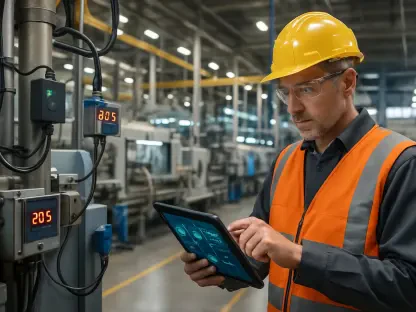
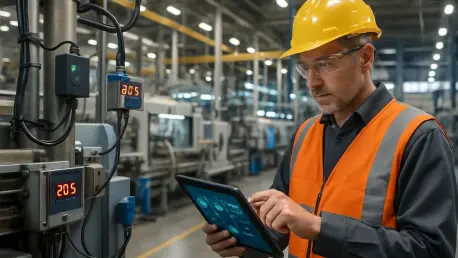
Unplanned downtime not only slows production lines but also disrupts delivery commitments and drives overtime costs that take days to clear. For most manufacturers, the problem is not always equipment age. Instead, it is the inability to see equipment degradation before it causes a stoppage.
The digital economy has turned into one of the defining forces shaping modern society. Cloud computing powers global business operations; artificial intelligence continues to transform industries; and billions of connected devices continuously exchange information across vast networks, enabling
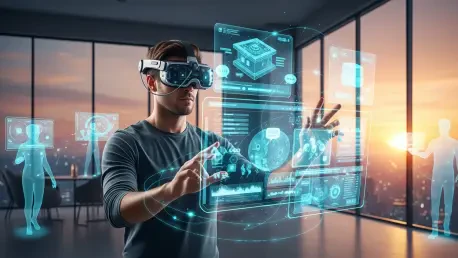
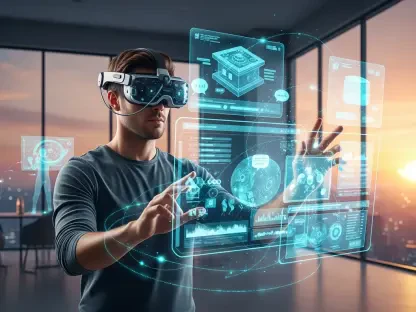
Spatial computing has moved past the proof-of-concept phase. For many enterprises, it is now a live operational layer sitting between physical environments and the data systems that run them. This shift reflects a longer migration of computing power, from room-sized mainframes to mobile devices to,
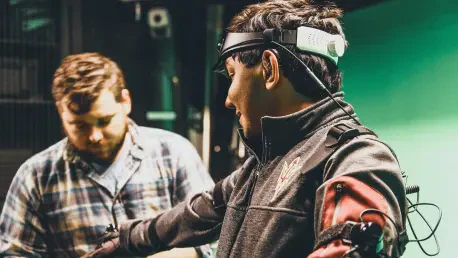
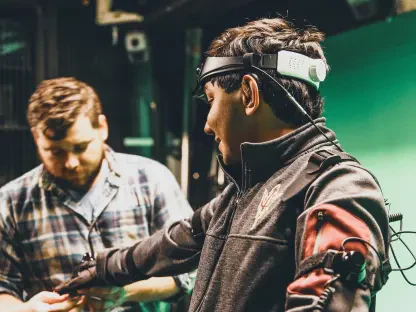
The rapid evolution of industrial environments has moved far beyond simple automation and toward physical and cognitive enhancement for human workers. This transition from traditional external tools to deeply integrated hardware and software offers a productivity boost, but it also promises to
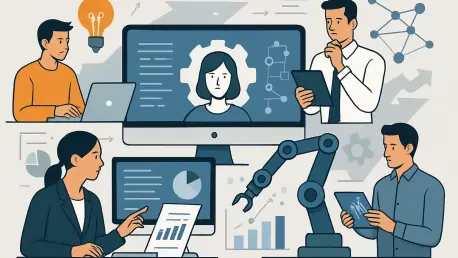
GenAI has moved from pilots to production in many large organizations. The real shift is not a single killer app. It is a steady rewiring of daily work across functions, with measurable impact on cycle times, quality, and employee focus. The leaders treating GenAI as a set of dependable services,
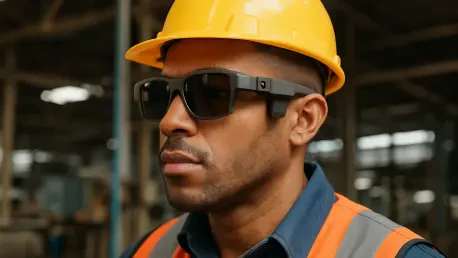
Hands are busy. Heads are available. That is the simple reason smart glasses are finally earning a seat in industrial toolkits. The winning devices are not consumer gadgets with a camera strapped on. They are rugged, voice-first edge computers built for noisy plants and tight catwalks. They are
1 2 3 4 5 6 7 8 9 10 11 12 13 14 15 16 17 18 19 20 21 22 23 24