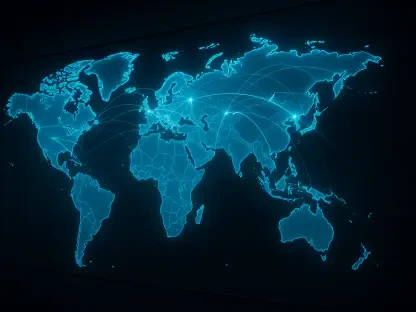
Information Sharing and Analysis Centers rely on specialized platforms to act as the backbone for bidirectional sharing and situational awareness across global communities. In the current cybersecurity environment, the role of a Threat Intelligence Platform has transformed from a static data

Quantum computing developments threaten to invalidate the digital signature protocols that currently secure the global financial system and private data networks. As of 2026, the potential for a quantum-driven security breach has transitioned from a theoretical risk to an immediate engineering

Blockchain certificates are now being used by Dubai’s judicial system to facilitate secure document verification for banks and international government bodies. This initiative, spearheaded by the Dubai International Financial Center Courts, represents a major shift from speculative digital assets
Legacy blockchain addresses held in dormant accounts or lost wallets represent a massive security liability that cannot manually transition to new signature schemes. The digital asset industry is currently navigating a period of profound technological transition as the reality of quantum computing

By exploiting the 'Know Your Customer' requirements of American banks, local facilitators enabled North Korean operatives to successfully launder their illicit corporate earnings. This operation, finalized in late 2026, uncovered a sprawling domestic infrastructure designed to place state-sponsored

Password management in browsers is fundamentally different from the architecture of a dedicated local vault that uses a unique master key. In the current digital landscape of 2026, the convenience of a one-click save button has become a double-edged sword for millions of internet users who
1 2 3 4 5 6 7 8 9 10 11 12 13 14 15 16 17 18 19 20 21 22 23 24 25 26 27 28 29 30 31 32 33 34 35 36 37 38 39 40 41 42 43 44 45 46 47 48 49 50 51 52 53 54 55 56 57 58 59 60 61 62 63 64 65 66 67 68 69 70 71 72 73 74 75 76 77 78 79 80