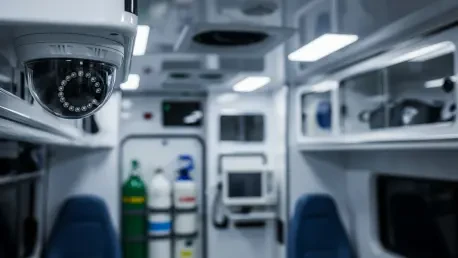

The recent termination of an emergency medical technician in Oregon for intentionally disabling an internal ambulance camera has ignited a fierce national conversation regarding the boundaries of patient confidentiality versus the necessity of workplace monitoring. This specific legal battle highlights a growing tension within the healthcare industry as agencies rush to install surveillance equipment to mitigate risks while providers argue that these devices fundamentally alter the therapeutic relationship. To many administrators, the cameras represent a standard security protocol intended to protect both the staff and the patient from unpredictable events. Conversely, field personnel often view the persistent eye of a digital lens as a violation of the sacred trust established during a medical crisis. As the case moves through the legal system, it serves as a catalyst for a broader re-evaluation of how technology should be integrated into the back of an ambulance, where the most vulnerable moments of human life frequently unfold under extreme pressure.
Ethics of Privacy in Mobile Medicine
Many healthcare professionals argue that an ambulance should be treated with the same level of privacy as a hospital examination room because it serves as a clinical environment where patients are entitled to total confidentiality. During a medical emergency, individuals are often at their most compromised, and the expectation of a safe, unobserved space is a cornerstone of medical ethics. Privacy advocates emphasize that if fixed hospital rooms generally forbid constant video recording of patients, then the mobile units where initial care occurs should be held to the same standard. They fear that the presence of cameras could discourage patients from being fully honest about their symptoms or drug use, particularly in sensitive cases involving mental health or substance abuse. This hesitation to disclose vital information could ultimately lead to misdiagnosis or delayed treatment, creating a secondary safety risk that offsets any perceived benefits of workplace surveillance within the pre-hospital care setting.
Beyond general privacy concerns, there are significant questions regarding compliance with the Health Insurance Portability and Accountability Act and how patient data is managed in the digital age. During a typical emergency call, providers must frequently discuss highly sensitive details, including comprehensive medical histories, current medications, and personal identification information. If these interactions are recorded and stored on third-party servers or made accessible to non-clinical staff members, the potential for data breaches increases exponentially. Critics of the system argue that the infrastructure required to truly secure these video files is often lacking in smaller agencies, leaving patient information vulnerable to cyberattacks or unauthorized viewing. The legal implications of such exposure are massive, potentially leading to lawsuits that far outweigh the liability protection cameras were originally intended to provide. Agencies must therefore grapple with the immense responsibility of managing terabytes of sensitive audiovisual data.
Physical dignity is another major factor in the argument against constant recording within emergency vehicles. To perform life-saving tasks such as trauma management, advanced cardiac life support, or the placement of an EKG, emergency medical technicians and paramedics must frequently remove or cut away a patient’s clothing, leaving them entirely exposed during a period of extreme physical vulnerability. The idea that a permanent digital record of a person in such a compromised and potentially embarrassing state exists is considered by many to be a direct violation of human dignity. This presence of a lens adds unnecessary psychological stress to patients who are already experiencing one of the most traumatic events of their lives. Furthermore, the knowledge that such footage could be subpoenaed or used in a courtroom creates a sense of lingering anxiety for survivors, who may fear that images of their most private medical moments could eventually become part of a public or semi-public legal record.
Safety Measures and Professional Accountability
On the other side of the debate, many providers see internal cameras as a necessary defense in an increasingly dangerous profession where assaults on first responders have become a persistent reality. With incidents of physical violence against paramedics and EMTs rising steadily, supporters argue that high-definition video evidence is the most effective way to ensure that individuals who attack crews are successfully prosecuted. In many urban environments, the mere presence of a visible camera housing can act as a psychological deterrent, discouraging aggressive behavior from intoxicated patients or agitated bystanders. For supervisors, having a real-time view or a recorded log of the patient compartment provides a layer of security that was previously impossible to achieve. This technological shield is viewed by many as a vital recruitment and retention tool, offering a sense of protection to those who must work in high-risk, unpredictable environments throughout their shifts.
Cameras also serve as an objective witness that can protect honest clinicians from false accusations that might otherwise destroy a career or lead to significant financial loss for the agency. EMS workers are frequently vulnerable to complaints regarding theft, verbal harassment, or professional misconduct, often made by patients who are disoriented or suffering from various forms of altered mental status. Having a comprehensive video record of the entire interaction allows department leadership to quickly exonerate employees who have followed proper procedures, preventing unfounded allegations from gaining traction. This objective perspective removes the “he-said, she-said” dynamic that often plagues internal investigations, providing a factual basis for resolving disputes. By validating the professional actions of the crew, surveillance systems can actually boost morale among high-performing staff who feel that their work is being documented fairly and that they have a digital safeguard against malicious claims.
From a management perspective, surveillance can be a valuable tool for clinical improvement and training. By reviewing footage of high-stress or complex calls, agencies can identify specific areas where techniques or communication could be improved. This proactive approach to quality control suggests that as long as a provider is following protocols and acting ethically, the camera serves as a tool for professional growth rather than a source of fear. The ability to perform a post-incident analysis with visual and audio context allows for much more nuanced feedback than traditional chart reviews alone. It provides a way to verify that equipment is being used correctly and that patient care standards are being consistently met across the entire fleet. Ultimately, this leads to a more competent workforce and better outcomes for the community, as real-world scenarios are converted into educational assets that help every member of the team refine their skills and decision-making processes.
Evolving Standards for Emergency Surveillance
To address these deeply conflicting views, some advanced medical transport agencies are exploring hybrid solutions that offer crew protection without requiring constant, invasive surveillance of every patient interaction. One popular innovation is the “panic button” model, where cameras remain in a standby mode and only begin recording if the crew manually activates them during a volatile or suspicious situation. This approach allows routine medical interactions to remain private, respecting the patient’s dignity while ensuring that critical evidence is captured if a threat arises. Other agencies are testing software that automatically blurs patient faces or utilizes thermal imaging rather than high-definition video to monitor safety without capturing identifying features. These technological compromises represent an attempt to modernize the workplace without discarding the ethical foundations of medicine, suggesting that a middle ground is possible through thoughtful engineering and deliberate policy design.
Regardless of the specific hardware used, the industry is moving toward a critical need for clearer legal standards and transparent organizational policies that govern the use of ambulance footage. Establishing strict protocols regarding who can access recorded data, how long it is stored, and under what specific circumstances it can be reviewed is essential for maintaining public trust. Experts suggest that agencies must involve their field staff in the policy-making process to ensure that surveillance is not perceived as a tool for micromanagement or “gotcha” disciplinary tactics. Transparency with the public is equally important; patients should be informed, perhaps through a small notice on the ambulance exterior, that recording may take place for safety purposes. By creating a framework of accountability that includes both technological safeguards and legal oversight, the emergency medical services community can work toward a system where safety and privacy are not mutually exclusive but are instead integrated.
Strategic Integration of Monitoring Technology
Industry leaders recognized that the successful implementation of surveillance technology required a departure from traditional, top-down management styles in favor of collaborative ethics committees. These groups successfully drafted national guidelines that prioritized patient confidentiality while acknowledging the legitimate safety concerns of field personnel. Legislators responded by introducing bills that specifically categorized ambulance recordings as protected medical records, ensuring they could not be used for purposes outside of legal defense or clinical training. This shift in legal status provided the necessary reassurance to privacy advocates that digital data would not be exploited or sold. Furthermore, agencies that adopted these transparent frameworks reported a significant decrease in staff resistance and a corresponding improvement in the quality of documented care. The focus moved away from simple monitoring toward a system of professional development where video was used to refine life-saving techniques.
The path forward involved a commitment to continuous education regarding the intersection of technology and human rights within the pre-hospital environment. Training programs across the country began incorporating modules on digital ethics, teaching paramedics how to explain the presence of cameras to patients in a way that maintained rapport. As technology progressed toward 2027 and beyond, the integration of artificial intelligence for real-time safety alerts became standard, yet it remained governed by the strict privacy rules established during this pivotal era. By addressing the root causes of the debate—trust, dignity, and safety—the medical community ensured that the transition to a monitored workspace did not come at the cost of the patient-provider bond. The resulting balance allowed for a safer working environment for first responders while upholding the ancient medical promise to do no harm. This era of reform ultimately proved that innovation could coexist with traditional values through careful planning and mutual respect.