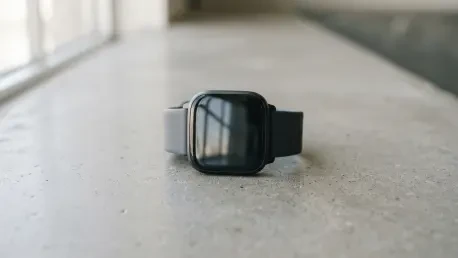

While currently installed third-party apps will remain functional for a time, they will become impossible to reinstall if a user needs to troubleshoot or wipe their device. This significant shift follows Google’s broader strategy to consolidate its smartwatch offerings under a singular software umbrella, effectively ending a long era of community-driven customization for older hardware. By November 28, 2026, the Fitbit App Gallery will cease to host external content, transforming devices that once thrived on third-party flexibility into more static, first-party tools. This transition globally affects eight specific models, including the Sense and Versa series, marking a definitive boundary between the legacy Fitbit OS and the contemporary Wear OS environment. As the deadline approaches, owners of these devices must navigate a new landscape where software permanence is no longer guaranteed, as the evolution of wearable tech often leaves a trail of legacy hardware in its wake.
The Technical Implications: Risks of System Resets
The core risk for existing users lies in the volatile nature of software maintenance when official support platforms are dismantled. Should a user encounter a synchronization error or a system hang—common occurrences in aging hardware—the standard recommendation is often a factory reset. However, after the cutoff in late 2026, such a procedure will result in the immediate and permanent removal of all third-party applications and watch faces. Since the Fitbit App Gallery will no longer offer these files for download, there is no recovery path for specialized tools that users may have relied on for years. This creates a glass-floor scenario where the device remains functional only as long as its current software state remains undisturbed. Any attempt to refresh the operating system or clear the cache to improve performance will strip the smartwatch of its personalized features, effectively downgrading it to a basic fitness tracker with limited native functionality.
Beyond the immediate loss of access for consumers, the shutdown of the Gallery Admin tools represents a final severance of ties with the independent developer community. For years, these creators have provided the niche utilities that filled the gaps in Fitbit’s native offerings, from hydration trackers to hyper-specific workout logs. With the administrative backend going dark, developers can no longer push critical bug fixes, security patches, or compatibility updates for their software. This stagnation ensures that even if an app remains on a device, its stability will eventually degrade as the underlying system evolves or third-party APIs change. The inability to maintain software essentially turns existing installations into “zombie apps” that might crash or fail without warning. This move signals a strategic withdrawal from an open-source ethos, pushing the remaining user base toward a more controlled and predictable environment that prioritizes internal software development over communal innovation.
The Strategic Pivot: Future Considerations for Users
Navigating the final months of this ecosystem requires a proactive approach to device management and software preservation. Users who prioritize long-term utility focus on identifying a permanent set of applications that can survive the remaining life of the hardware without needing reinstallation. It is clear that the most resilient strategy involves avoiding any experimental software changes and ensuring that the companion app remains on a stable, supported version. Those who successfully transition understand that the device’s value shifts from a modular smart platform to a dedicated biometric collector. This shift necessitates a reevaluation of how health data is exported and utilized, as the reliance on third-party integration points begins to diminish. By securing the most essential watch faces and utilities before the November 28 deadline, a segment of the community can extend the practical lifespan of their hardware, even as the official support infrastructure is dismantled.
The resolution of this transition period highlights the importance of software independence in the wearable market. Forward-looking strategies suggest that users should look toward platforms that offer better long-term data portability and open API access to avoid similar lock-in scenarios in the future. While the hardware itself remains physically capable, the planned obsolescence of its smart features serves as a case study for the fragility of cloud-dependent wearable ecosystems. Actionable steps for those moving forward include investigating hardware that supports standard protocols or transitioning fully into the Wear OS environment where Google concentrates its development efforts. Ultimately, the closure of the Fitbit Gallery represents a pivot toward a more predictable, first-party service model that trades customization for system stability. This evolution underscores a shift in consumer expectations, where the seamless integration of health metrics into a larger digital ecosystem becomes the primary driver of value.