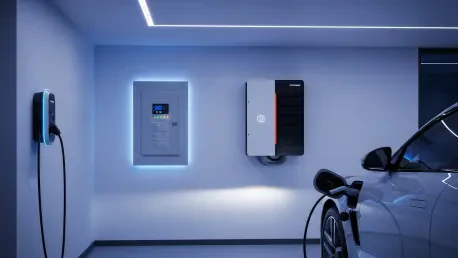

The transition from traditional solar setups to modern energy ecosystems represents a fundamental change in how homeowners approach renewable power in an increasingly electrified world. In the past, having solar panels was largely a passive experience where energy was generated and either consumed immediately or sent back to the grid with little thought given to timing or optimization. Today, the focus has shifted toward active management, where smart technology acts as the essential bridge between generating clean power and using it effectively within the home environment. At the center of this technological upgrade is the Energy Management System, or EMS, which acts as the sophisticated brain of the household. This system integrates solar panels, battery storage, and smart appliances into a single, cohesive network that allows for unprecedented control over energy flows. By providing a central point of data processing, the EMS ensures that every kilowatt-hour produced by the sun is tracked and utilized to its full potential, rather than being lost to technical inefficiency or undervalued grid exports. This shift represents a move away from simple hardware installation toward a holistic ecosystem where software intelligence dictates the financial and environmental success of the solar investment.
The Timing Paradox: Synchronizing Production With Domestic Consumption
One of the most persistent challenges solar owners face is the natural mismatch between the hours of peak power production and the windows of peak household demand. Solar panels typically reach their maximum output during the middle of the day, a time when the sun is highest but when many families are away at work or school, leaving the house relatively dormant. Because electricity demand is often at its lowest during these high-production hours, much of the clean energy produced goes to waste or is sent back to the utility company for a minimal credit that rarely reflects the true cost of power. Without an intelligent system to manage this gap, homeowners often find themselves in the frustrating position of producing a surplus of energy at noon only to pay premium rates for grid power just a few hours later when they return home. This inefficiency not only stretches the payback period of the solar equipment but also limits the overall carbon reduction potential of the property.
Relying on the grid during evening peak hours has become increasingly expensive as utilities implement time-of-use pricing models designed to curb demand when the regional infrastructure is most strained. This is the specific time when energy use spikes dramatically as people begin to cook dinner, run dishwashers, and activate climate control systems to transition the home to a comfortable evening temperature. Relying on the grid during these peak hours forces a reliance on non-renewable energy sources that utilities use to meet high demand, effectively undermining the core environmental benefits of having a residential solar array. Smart home technology addresses this paradox by identifying these demand patterns and creating a strategy to shift high-energy tasks into the window of peak solar availability. By bridging this temporal divide, homeowners can ensure that their appliances are powered by the sun they just harvested, rather than the coal or gas plants that typically support the grid during the high-demand evening hours.
Digital Intelligence: Achieving Granular Visibility Through Real-Time Data
Smart home technology provides the necessary visibility to understand exactly how energy flows through a modern residence with surgical precision. Modern smart meters and appliance-level sensors offer real-time data that shows which specific devices are drawing the most power and at what times of day those draws occur. This level of detail allows homeowners to identify hidden energy hogs, such as aging refrigerators or poorly calibrated HVAC systems, and adjust their habits to better align with their solar production schedule. Instead of receiving a monthly bill that offers a vague summary of usage, homeowners now have access to live dashboards that visualize energy generation and consumption in real-time. This transparency transforms energy management from a guessing game into an interactive experience, empowering residents to make data-driven decisions that immediately impact their utility costs and efficiency metrics.
Most of these advanced monitoring systems are now connected to user-friendly mobile applications and cloud-based analytics platforms that offer predictive insights. These digital tools turn complex energy data into actionable advice, allowing users to monitor their solar performance from anywhere in the world while receiving alerts about potential system issues. With access to historical data and forward-looking weather integration, homeowners can anticipate days of low production and adjust their energy-intensive activities accordingly. For instance, if the system predicts a string of cloudy days starting tomorrow, it might suggest running laundry cycles today while the solar output is still high. This proactive approach ensures that homeowners are always getting the best possible value from their investment, using technology to stay one step ahead of both the weather and the fluctuating price of grid-supplied electricity.
Automated Environments: Maximizing Surplus Power Without Manual Effort
Automation is the critical factor that allows for the maximization of solar efficiency without requiring constant manual intervention from the occupants. By utilizing smart thermostats, homeowners can implement a strategy known as thermal pre-loading, where the living space is pre-cooled or pre-heated during the afternoon using surplus solar power. This approach effectively turns the physical structure of the home into a form of thermal storage, reducing the demand for heavy air conditioning or heating use after the sun goes down and electricity prices begin to rise. Because the house has already reached the desired temperature using free solar energy, the HVAC system only needs to perform minor maintenance cycles during the evening, significantly lowering the overall load on the home’s electrical system during the most expensive hours of the day.
Smart plugs and connected appliances also play a vital role in this automated ecosystem by allowing for the scheduling of energy-intensive tasks. Homeowners can program dishwashers, clothes dryers, and pool pumps to activate automatically the moment the Energy Management System detects a specific threshold of surplus solar production. Furthermore, the integration of electric vehicle chargers into the smart network has revolutionized how transportation is fueled, allowing the car to act as a massive flexible load. When the sun is shining at its brightest, the smart system can ramp up the charging speed of the vehicle, effectively storing solar energy in the car’s battery for later use. This level of automation ensures that the home is operating at peak efficiency around the clock, capturing every available watt of solar power and applying it to the most beneficial tasks without the homeowner ever needing to flip a switch.
Storage Solutions: The Impact of Battery Energy Storage Systems
Battery Energy Storage Systems, commonly referred to as BESS, represent the most effective method for solving the inherent unreliability of solar energy. By capturing and storing the excess power generated during the peak sunlight hours of the day, these batteries allow a household to utilize its own clean energy twenty-four hours a day, regardless of whether the sun is shining. This decoupling of energy production from consumption is the primary driver of true energy independence, allowing residents to move away from a total reliance on the local utility grid. As battery technology has advanced, these systems have become more compact, efficient, and capable of handling the high-surge demands of modern appliances, making them a standard component of any high-performance solar installation.
Beyond the immediate financial benefits of avoiding high utility rates, battery storage provides a critical layer of resilience that traditional solar-only systems simply cannot match. In the event of a localized grid outage or a major weather event, a smart battery system can instantly switch the home to an island mode, providing seamless backup power for essential loads. This ensures that critical equipment, such as medical devices, refrigerators, and home security systems, remain operational even when the surrounding neighborhood is in the dark. This stability protects homeowners from the increasing frequency of grid failures and fluctuating utility rates, providing peace of mind that their energy security is managed by an intelligent, self-sustaining system. The combination of solar and storage creates a robust personal infrastructure that is capable of weathering both economic shifts and physical disruptions to the centralized power grid.
Economic Evolution: Navigating the Shift Toward Net Billing Models
The financial landscape of residential solar is becoming increasingly complex as utility companies across many regions move away from traditional net metering toward net billing structures. Under these newer systems, the energy that a homeowner sends back to the grid is credited at a significantly lower rate than the retail price they pay to buy power from the utility. In this economic environment, the only way to maintain a high return on investment for a solar system is to maximize self-consumption, keeping as much energy as possible within the home’s own ecosystem. Smart technology is no longer just a luxury for enthusiasts; it has become a financial necessity for anyone looking to protect the value of their renewable energy assets in a world where the grid is no longer a free virtual battery.
Looking ahead, upcoming innovations such as Vehicle-to-Home technology are set to further expand the capabilities of these integrated systems. This technology will soon allow the large batteries inside electric cars to serve as a high-capacity backup for the entire residence, potentially doubling or tripling the available storage capacity of a standard home. Additionally, the emergence of Virtual Power Plants is creating new opportunities for homeowners to earn revenue by allowing their smart systems to work in coordination with thousands of others to support the regional power grid during emergencies. These developments are leading to a new era of energy democratization, where homeowners are no longer just passive consumers but active participants in a decentralized power network. By combining solar panels with intelligent management, individuals are taking full control of their carbon footprint while contributing to a more sustainable national infrastructure.
Strategic Integration: Actionable Steps for Enhancing Solar Performance
The integration of advanced management systems represented a fundamental shift in the way residential energy was perceived and managed by the general public. It became clear that the true potential of solar hardware was only fully realized when it was paired with software that understood the specific needs and habits of the household. Homeowners who prioritized the installation of a central Energy Management System were able to see an immediate reduction in grid dependence, often reaching levels of self-sufficiency that were previously thought impossible for standard suburban homes. This transition was marked by a move toward proactive energy audits and the adoption of smart breakers that allowed for the remote shedding of non-essential loads during periods of low production or high demand.
To achieve similar results, individuals began by identifying the largest electrical loads in their homes and replacing standard controls with smart, grid-aware alternatives. The most effective strategy involved the installation of a smart thermostat as the first step, followed by the integration of an intelligent electric vehicle charger that communicated directly with the solar inverter. Homeowners also looked for hardware that supported open communication protocols, ensuring that their various devices could share data without being locked into a single manufacturer’s ecosystem. These actions collectively transformed the home into an efficient, self-regulating entity that prioritized renewable energy use above all else. By taking these strategic steps, residents not only secured their financial future against rising energy costs but also played a direct role in stabilizing the modern power grid for the generations to follow.