
The landscape of residential safety has undergone a seismic shift, transforming from a privilege of the affluent into a standard expectation for the modern homeowner. Historically, protecting a residence meant committing to exorbitant monthly fees and intrusive wiring projects that left renters and budget-conscious buyers with few viable options. Today, the convergence of affordable high-definition sensors, advanced artificial intelligence, and widespread connectivity has dismantled these barriers, creating a market where sophisticated surveillance is no longer tethered to a luxury price tag. As seasonal discounts frequently push hardware costs down by significant margins, the question is no longer whether one can afford a high-tech system, but rather how to navigate the vast array of powerful, self-installed tools now available to the general public. This accessibility is reshaping how we define domestic peace of mind, moving away from reactive sirens toward proactive, intelligent monitoring that integrates seamlessly into the digital lifestyle of the 21st century.
Securing the Property Perimeter
High-Resolution Surveillance Units
The outdoor security market has undergone a radical transformation, shifting its focus toward high-resolution imagery and intelligent detection to minimize the nuisance of false alerts that once plagued older systems. A standout in this category is the Ring Stick Up Cam, a device that has redefined versatility through its robust battery-powered design, which allows for effortless installation in remote locations where traditional hardwiring is physically impossible or prohibitively expensive. Industry experts frequently highlight its ability to integrate seamlessly with wider smart home ecosystems, providing a reliable and flexible first line of defense for a property’s fence lines, detached garages, and darker corners. By removing the need for a professional electrician, these units have empowered renters and homeowners alike to take immediate control of their exterior safety. Furthermore, the ability to receive real-time notifications on a variety of personal devices ensures that users remain informed of any activity, whether they are inside the house or across the country. This level of accessibility is a primary driver behind the current surge in residential surveillance adoption, as the technical hurdles that once discouraged average users have been effectively neutralized by thoughtful engineering and user-centric software interfaces.
For those who require integrated lighting and more robust environmental control, the Google Nest Cam with Floodlight represents a sophisticated blend of visibility and AI-driven processing. Unlike basic sensors that trigger on any movement—such as a swaying tree branch or a passing shadow—this unit uses on-device algorithms to distinguish between people, animals, and vehicles, ensuring that notifications are meaningful and actionable. This reduction in “notification fatigue” is essential for modern users who do not want their smartphones buzzing incessantly throughout the day. Additionally, its local storage backup provides significant peace of mind by ensuring that critical footage is recorded and preserved even during Wi-Fi outages or unexpected connectivity issues. The hardware itself is designed to withstand the rigors of various climates, featuring weatherproofing that ensures longevity and consistent performance. This move toward specialized, intelligent hardware indicates that the industry is prioritizing the quality of information over the quantity of alerts, allowing homeowners to maintain a high level of situational awareness without feeling overwhelmed by their own security infrastructure.
Scalability remains a critical trend for larger properties that require more than a single point of view to maintain comprehensive coverage. The Arlo Pro 2K system addresses this need by providing detailed coverage that utilizes a higher resolution than the previous industry standards. This 2K HDR resolution is a significant step up, offering the clarity needed for digital zooming to identify faces, license plates, or specific details on delivery vehicles. When combined with a wide field of view and automatic tracking of moving objects, these systems offer a level of situational awareness that was previously unavailable at such a competitive price point. The ability to monitor multiple zones simultaneously through a single application interface allows for a cohesive security narrative that can be managed by anyone with a smartphone. This democratization of professional-grade features ensures that even complex residential layouts can be secured with the same level of precision as a commercial facility. As these systems continue to evolve, the focus is clearly on providing high-fidelity visual evidence that can be utilized by law enforcement or insurance agencies should an incident occur, further cementing the value of the modern outdoor surveillance unit.
Value-Driven Outdoor Technology
Even at the budget end of the spectrum, performance remains remarkably high, as demonstrated by the rise of devices like the Wyze Cam OG. This specific piece of hardware has disrupted the market by offering premium features like color night vision and an integrated spotlight for a fraction of the cost of its higher-priced competitors. Its compact design and ability to provide a picture-in-picture view when paired with other units show that affordability does not have to come at the expense of innovative functionality. This shift toward high-value, low-cost hardware has made it possible for residents to secure their entire perimeter for what a single high-end camera used to cost. The competitive pressure exerted by such devices has forced the entire industry to rethink its pricing models, leading to a golden age of consumer choice where performance is no longer strictly tied to a high price tag. For many, this represents the true democratization of home security, where the ability to monitor one’s property is treated as a fundamental right rather than a premium service.
Resilience and durability are essential components of these outdoor units, as they must withstand various weather conditions without compromising their internal electronic components. Many of the current top-rated devices feature high-grade weatherproofing and dual-power options, such as solar panel compatibility, to ensure continuous operation throughout the year. This focus on reliability ensures that the initial investment remains protected against the elements while maintaining a constant watch over the property. The move toward sustainable power solutions is particularly important in 2026, as homeowners look for ways to reduce maintenance tasks like recharging batteries every few months. By utilizing solar energy, these cameras can operate indefinitely, providing a “set it and forget it” security solution that appeals to busy families. This blend of environmental resilience and technological sophistication ensures that value-driven cameras are not just temporary fixes, but long-term components of a robust residential safety strategy that can adapt to changing weather patterns and varying geographical locations.
Indoor Monitoring and Privacy Considerations
Intelligent Interior Monitoring
The transition to indoor security focuses heavily on the balance between precision and personal privacy, addressing a growing concern among consumers regarding the presence of cameras inside their most intimate living spaces. The third-generation Google Nest Indoor Security Camera exemplifies this shift by leveraging advanced artificial intelligence to provide natural language search capabilities within a user’s video timeline. This sophisticated technology allows homeowners to quickly find specific events, such as a pet jumping on a counter or a child arriving home from school, without the tedious task of scrolling through hours of silent footage. By making the monitoring of domestic activity far more efficient, these devices have moved from being simple recording tools to active personal assistants. Furthermore, the integration of these systems into the broader ecosystem allows for automated routines that can adjust camera behavior based on the time of day or the physical location of the residents. This intelligence ensures that the system is only active when necessary, providing a customized experience that aligns with the specific needs and daily habits of each household, thereby enhancing both security and convenience.
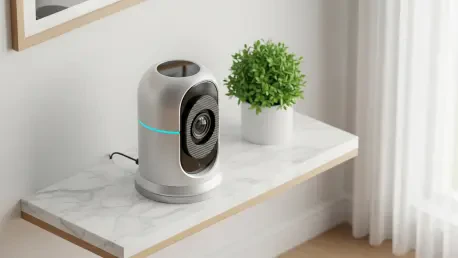
Privacy transparency has become a core feature of modern indoor cameras, addressing consumer anxiety about always-on microphones and lenses in a world that is increasingly wary of data collection. Many devices now include physical indicators, such as bright status LEDs, that provide a clear visual cue when the camera is active, streaming, or recording. This move toward transparency helps users feel more comfortable placing smart devices in private areas like living rooms or hallways, as it removes the ambiguity of whether or not they are being watched. In addition to visual cues, software-based privacy zones allow users to “black out” specific areas of the frame that they do not want to be recorded, such as a bedroom door or a computer screen. This level of granular control is essential for building trust between the manufacturer and the consumer, as it acknowledges that the home is a sanctuary where privacy should never be sacrificed for the sake of security. As these technologies mature, we are seeing a shift where the user is given full agency over their data, with many brands offering encrypted local storage as an alternative to cloud-based services.
Privacy and Hardware Safeguards
To further ensure peace of mind, some manufacturers have introduced physical hardware solutions that go beyond software toggles, such as the manual privacy covers found on recent Ring indoor units. These swiveling shutters physically block the lens and disconnect the microphone at the circuit level, providing an absolute layer of security that software alone cannot offer. This combination of high-definition video and hardware-based privacy controls reflects a maturing market that respects the boundaries of the home. For residents who are particularly sensitive to digital intrusion, these physical safeguards represent a non-negotiable feature that allows them to enjoy the benefits of a connected home without the lingering fear of unauthorized access. This design philosophy recognizes that true security must include the protection of the user’s personal life from the very technology intended to keep them safe. By making these features standard rather than optional, the industry is setting a new benchmark for ethical hardware design that prioritizes the human element of the smart home experience.
The integration of internal monitoring screens in higher-end systems has also enhanced the safety of children and the elderly, who may not always have a smartphone at their disposal. These dedicated displays allow residents to see who is at the door or monitor other rooms in the house with a single touch, providing a centralized hub for domestic awareness. This is particularly useful in multi-generational households where ease of use is just as important as technical capability. By providing a physical interface that is intuitive and always accessible, manufacturers are ensuring that the benefits of high-tech security are shared by everyone in the home, regardless of their technological proficiency. This inclusive approach to design is helping to broaden the appeal of smart security systems, moving them away from being niche gadgets for tech enthusiasts and toward being essential household appliances. As these interfaces become more streamlined, the domestic security system is evolving into a comprehensive management platform that coordinates everything from entry access to environmental monitoring, all while maintaining a strict focus on the privacy and comfort of the inhabitants.
Revolutionizing Home Access Points
Next-Generation Video Doorbells
Video doorbells have moved beyond simple two-way communication to become comprehensive package-protection hubs that serve as the primary gateway to the modern home. Battery-powered models from leading brands like Google offer ease of installation without sacrificing the ability to distinguish between visitors, deliveries, and common street traffic. This context-aware alerting system is vital for those living in high-traffic areas who want to be notified only when a significant event occurs at their doorstep, rather than every time a car passes by. The ability to communicate with visitors in real-time through high-quality audio has transformed the doorstep experience, allowing for seamless interactions with couriers and guests even when the resident is not physically present. This level of connectivity not only enhances security by deterring potential intruders but also adds a layer of modern convenience that has become indispensable for the e-commerce era. By acting as a digital concierge, the video doorbell has become the most visible and frequently used component of the smart home ecosystem.
A major technical advancement in this sector is the introduction of dual-camera systems, such as the Eufy E340, which addresses a long-standing limitation of single-lens designs. By using a second downward-facing camera, these devices effectively eliminate the blind spots where packages are typically left, solving the persistent problem of package theft that has plagued suburban and urban areas alike. This innovation ensures that the entire entryway is visible, from the visitor’s face to any items placed directly on the ground, providing a complete 360-degree view of the porch area. Furthermore, expanded vertical coverage is becoming a standard feature, allowing for head-to-toe views of visitors which is crucial for identification purposes. The transition to modern hardware standards, including the adoption of USB-C charging ports and high-capacity batteries, signals a broader industry effort to make these devices more user-friendly and easier to maintain. As these doorbells become more sophisticated, they are increasingly capable of acting as the central nervous system for the home’s exterior, coordinating with smart locks and outdoor lights to create a welcoming and secure entrance for authorized users.
Biometric Locking Mechanisms
The smart lock category is currently transitioning from traditional keypads and physical keys to frictionless biometric entry, representing one of the most significant leaps in residential access technology. The introduction of high-speed fingerprint scanners on standard deadbolt models allows for quick, keyless access that is difficult to compromise through traditional lock-picking or credential theft. These locks are designed to fit into existing hardware holes, making them an accessible and straightforward upgrade for those looking to modernize their homes without extensive renovations. For property owners who frequently host guests or manage short-term rentals, these multi-function locks offer a variety of access methods, including temporary touchscreen codes, IC cards, and remote app control. This flexibility allows for the secure management of property access from anywhere in the world, providing a level of control that was previously only possible with expensive commercial security systems. The reliability of these scanners has reached a point where they can accurately identify authorized users in less than a second, ensuring that the convenience of a smart lock is never overshadowed by technical delays.
At the high end of the market, palm-vein recognition is emerging as a secure and nearly forgery-proof method of entry, offering a futuristic solution for those who prioritize maximum security. This technology scans the unique patterns of veins beneath the skin, which are far more complex and difficult to replicate than standard fingerprints. Some of these advanced units also include internal monitoring screens, allowing residents to see who is at the door without needing to reach for a smartphone, which is a significant benefit for younger children or elderly residents who may find mobile apps cumbersome. The integration of these biometric features into a single, sleek hardware unit reflects the ongoing trend of “invisible security,” where the most advanced protection is integrated so seamlessly into the home’s design that it becomes a natural part of the daily routine. As costs continue to fall and the technology becomes more widespread, biometric locks are expected to replace traditional key-based systems entirely, ushering in an era where losing one’s keys is no longer a concern and the home remains accessible only to those who are truly authorized to enter.
Industry Trends and Consumer Value
The Evolution of Standards and Value
The current market is seeing a definitive shift toward 2K HDR as the new standard for video quality, effectively replacing the older 1080p format that served as the industry benchmark for years. This increase in resolution provides the actionable evidence required for modern security, such as readable text on delivery vehicles and clear facial features of individuals at a distance. As consumers demand more detail from their surveillance footage, manufacturers are prioritizing sensor quality and image processing to ensure that recordings are useful for identification purposes rather than just providing a general sense of awareness. This focus on clarity is particularly important for nighttime monitoring, where high dynamic range technology helps to balance extreme light and dark areas, preventing spotlights from washing out the faces of visitors. The result is a more reliable security record that can stand up to scrutiny, providing homeowners with the confidence that their system is actually performing the task it was designed for. This evolution in standards is a clear indicator that the home security industry has matured, moving away from low-quality “gadget” cameras toward professional-grade imaging solutions.
Security software is also becoming more interpretative, with the rise of “edge AI” allowing cameras to process information locally on the device rather than relying solely on cloud-based servers. This trend significantly reduces notification fatigue by filtering out irrelevant motion and focusing the user’s attention only on genuine threats or events of high interest, such as a person entering a restricted zone. The integration of advanced search tools means that a home’s recorded history is now as easy to navigate as a web search, providing deeper insights into daily activities and allowing users to find specific clips in seconds. By moving the heavy lifting of artificial intelligence to the camera itself, manufacturers are also improving privacy, as less sensitive data needs to be transmitted over the internet for analysis. This decentralized approach to data processing is a key component of the modern security strategy, offering faster response times and enhanced reliability. As these algorithms continue to improve, we can expect cameras to become even better at understanding the context of the scenes they are watching, further reducing the need for constant human supervision and making the system truly autonomous.
Strategic Integration for the Modern Home
One of the most important considerations for today’s buyer is the trade-off between subscription-based service models and local storage solutions, a choice that has significant long-term financial implications. While many major brands offer deep ecosystem integration and advanced AI features for a monthly fee, an increasing number of companies are gaining popularity by providing high-end features and local data storage for a one-time hardware cost. This diversity in business models allows consumers to choose a financial structure that best fits their long-term budget, whether they prefer a low upfront cost with a service fee or a higher initial investment for total data ownership. The ability to store footage on a local base station or a microSD card provides an additional layer of security against cloud breaches and ensures that the system remains functional even if the internet service provider experiences an outage. This move toward consumer-choice models is a healthy development for the industry, as it encourages competition and prevents any single provider from monopolizing the home security market through restrictive service contracts.
Ultimately, the best value for a modern homeowner is found by avoiding ecosystem fragmentation and sticking with a unified brand for indoor, outdoor, and entry-point security. A cohesive system allows for better interoperability, where an alert from an outdoor camera can automatically trigger indoor lights or prompt the smart lock to secure the premises. By utilizing the significant seasonal discounts that have become a staple of the 2026 market, residents can build a comprehensive narrative of protection that is both easy to manage through a single app and highly effective at deterring crime. The current availability of award-winning hardware at a fraction of its original price confirms that sophisticated, high-tech home security is finally within the reach of a much wider audience than ever before. This widespread adoption is creating a safer residential environment overall, as the presence of visible, high-quality surveillance acts as a powerful deterrent for opportunistic theft. As we move forward from 2026 to 2028, the continued integration of AI and biometric technology will only further enhance the value proposition of the smart home, making professional-grade safety a standard feature of every modern residence.
Homeowners successfully navigated the complexities of the modern security market by prioritizing interoperability and high-resolution hardware over the lure of the cheapest available options. By selecting devices that utilized the latest 2K sensors and local storage capabilities, users avoided the hidden costs associated with high-bandwidth cloud subscriptions while securing their data against external breaches. The transition toward biometric entry and dual-camera doorbells represented a significant step forward in domestic convenience, proving that advanced protection could be both effective and unobtrusive. To maintain this level of safety, residents should regularly audit their device permissions and update firmware to defend against emerging digital threats. Looking ahead, the focus must remain on creating a unified security perimeter that integrates various sensors into a single, manageable interface, ensuring that the home remains a fortress of privacy and safety in an increasingly connected world. This strategic approach to home defense allowed individuals to build robust systems that were tailored to their specific needs, proving that high-tech security was no longer a luxury but a manageable and essential part of modern living.