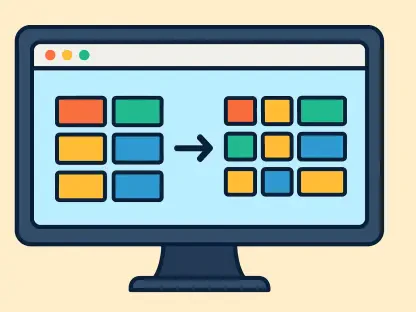

The unified Galaxy Connected Experience allows the S12 series to function as a secondary screen for laptops, bridging the gap between mobile and desktop hardware. This capability arrives at a crucial time as professionals increasingly demand flexibility without sacrificing the raw processing power of traditional computers. In the early months of 2026, the tech landscape has shifted toward versatile form factors that can adapt to various environments, from corporate boardrooms to creative studios. The release of the Galaxy Tab S12+ and S12 Ultra represents a concerted effort to move beyond the limitations of standard mobile operating systems by introducing features that mirror full desktop functionality. By focusing on a high-end, productivity-first philosophy, these devices have effectively carved out a niche that challenges the long-standing dominance of ultrabooks. The hardware serves as a central hub for digital creators who require precision input and massive screen real estate in a portable package. Such a development marks a definitive step in the transition of tablets from media consumption gadgets into legitimate professional workstations.
Cutting-Edge Engineering and Visual Excellence
Industrial Design: Achieving Record Thinness
The most striking physical attribute of the new series is its unmatched thinness, with the S12 Ultra measuring a staggering 5.1mm in depth. This design feat makes the device significantly slimmer than the S Pen it houses, yet it maintains a rugged build quality through the use of reinforced aluminum. Achieving such a profile required a complete rethink of internal component layout and structural engineering to prevent bending or heat accumulation. Despite the delicate appearance of the chassis, the series carries an IP68 rating for water and dust resistance, allowing it to withstand submersion in fresh water for up to thirty minutes. This durability ensures that the hardware remains functional in demanding field environments, providing a level of resilience that many traditional laptops cannot match. The physical design reflects a commitment to portable luxury, where the weight is distributed evenly to facilitate comfortable one-handed use during long presentations.
Beyond the aesthetics, the thinness of the S12 series serves a functional purpose by reducing the overall footprint in a professional commuter’s bag. The S12+ follows this trend with a 5.3mm profile, offering a slightly more compact alternative for those who prioritize mobility without wanting to sacrifice premium materials. The integration of the S Pen charging strip on the back has been refined to provide a more secure magnetic attachment, ensuring the stylus remains in place during transport. Samsung has also improved the tactile response of the physical buttons, providing a satisfying click that reinforces the high-quality industrial feel of the device. By pushing the boundaries of what is physically possible in tablet construction, the 2026 lineup sets a new standard for the industry. This focus on “unmatched thinness” does not come at the cost of structural integrity, as the internal frame has been reinforced with high-grade alloys to maintain rigidity even under significant pressure.
Visual Performance: AMOLED 2X and Display Fidelity
Visual performance is anchored by Dynamic AMOLED 2X technology, which provides the deep blacks and vibrant colors essential for professional creative work. The S12 Ultra boasts a massive 14.6-inch display with a resolution of 2960 x 1848, rivaling the screen real estate of premium ultrabooks while offering superior contrast ratios. Every model in the series supports a 120Hz refresh rate, ensuring that animations and transitions remain fluid during intensive multitasking sessions. This high refresh rate is particularly beneficial for artists and designers, as it minimizes the latency between the S Pen tip and the digital ink appearing on the screen. The brightness levels have been boosted to handle direct sunlight, making the tablets ideal for outdoor use without the glare issues common in older display panels. Such visual fidelity is crucial for tasks like 4K video editing or high-resolution photo retouching where color accuracy is paramount for a professional finish.
The S12+ offers a 12.6-inch alternative that maintains the same high-resolution standards as its larger sibling, catering to users who need a balance between screen size and portability. Both displays are protected by the latest iteration of damage-resistant glass, which reduces reflections and enhances the clarity of the underlying AMOLED panel. This focus on visual excellence extends to the software level, where the operating system optimizes color profiles based on the ambient light of the room. For users who spend hours reading or drafting documents, the Eye Comfort Shield features have been updated to reduce blue light emissions more effectively without distorting the natural colors of the content. This level of attention to detail ensures that the screen remains comfortable to use throughout an entire workday. By providing a display that outclasses most standard laptop monitors, Samsung has made a compelling argument for the tablet as the primary tool for visual professionals in 2026.
Professional Productivity and Creative Tools
Workflow Optimization: DeX and Multi-Window Utility
The “Productivity Triple Threat” of Samsung DeX, Multi-Window capabilities, and the S Pen serves as the backbone of the series’ laptop-replacement strategy. Samsung DeX transforms the standard Android interface into a familiar desktop environment, complete with a taskbar and floating windows that can be managed just like a traditional PC. This allows users to connect the tablet to external monitors, keyboards, and mice, effectively turning the device into the brain of a full desktop workstation. For those working on the go, the transition from tablet mode to DeX is seamless, allowing for immediate access to complex file management and multi-app workflows. The 3-Split Multi Window feature further maximizes the massive screen real estate of the Ultra model, allowing three applications to run side-by-side without performance lag. This is particularly useful for researchers who may need a browser, a note-taking application, and a communication tool open simultaneously.
The inclusion of the S Pen in the box provides immediate value and sets the series apart from competitors who often treat high-precision styluses as expensive accessories. This tool is not merely for sketching; it serves as a navigational device that offers greater precision than a finger for editing spreadsheets or annotating complex PDFs. To bolster the appeal for professional creators, Samsung has secured partnerships to bring industry-leading apps like Notability and Adobe Photoshop to the platform. These applications are optimized to take full advantage of the Dimensity 9500 processing power and the high-fidelity display, providing a studio-grade experience on a mobile device. With pre-installed creative suites and generous trial periods, the S12 series positions itself as a ready-made solution for digital artists and designers. The synergy between high-end hardware and professional-grade software ensures that the tablet can handle the transition from a casual media device to a robust production tool.
Artificial Intelligence: On-Device Intelligence and Efficiency
The transition toward “Local AI” marks a shift where the Galaxy Tab S12 series uses built-in Galaxy AI to optimize the user experience in real-time. By processing data locally rather than relying on the cloud, the device ensures faster response times and enhanced privacy for sensitive professional information. Key AI functionalities include automated note summarization, which can transcribe and distill long meetings into actionable bullet points with remarkable accuracy. Advanced photo editing tools also leverage this intelligence to remove unwanted objects or adjust lighting conditions with a single tap. This level of automation streamlines repetitive tasks, allowing users to focus on higher-level creative or analytical work. The AI-driven battery management system learns individual usage patterns to allocate power to the most frequently used apps, effectively extending the lifespan of the 11,600mAh battery in the Ultra model.
Connectivity remains a cornerstone of the 2026 Galaxy experience, with the S12 series acting as a central hub for a unified ecosystem of mobile and desktop hardware. The Ultra model pushes the boundaries of networking with Wi-Fi 7 support, ensuring the fastest possible internet speeds for cloud-based collaboration and large file transfers. Both the Ultra and S12+ offer optional 5G configurations, providing professional-grade connectivity even in areas without reliable Wi-Fi. Features like “Auto Switch” for Galaxy Buds and the ability to drag and drop files between a phone and the tablet create a frictionless environment for power users. Furthermore, the 23 hours of video playback capability ensures that the device can survive the longest transcontinental flights or back-to-back meeting days without needing a charge. By combining top-tier hardware with intelligent software and seamless connectivity, the series makes a compelling case for being the ultimate tool for the modern, mobile-first professional.
Strategic Evolution: The Path Forward for Mobile Computing
The Samsung Galaxy Tab S12 series established a new baseline for high-end mobile computing by successfully integrating desktop-class performance into an ultra-slim form factor. These devices proved that the “performance penalty” typically associated with choosing a tablet over a laptop had been largely eliminated through the use of advanced chipsets and optimized thermal management. Professional users who transitioned to this ecosystem benefited from a more versatile workflow that combined the precision of a stylus with the familiarity of a desktop interface. Moving into the 2026 to 2028 cycle, the focus should remain on expanding the local AI capabilities to further automate complex creative processes. For organizations looking to modernize their hardware fleets, investing in such versatile tools offered a clear path to increased productivity and mobility. The legacy of this series was defined by its ability to bridge the gap between creative freedom and corporate requirements, ensuring that the tablet was no longer seen as a secondary gadget. Ultimately, the series demonstrated that the future of computing lies in hardware that can adapt to the user’s needs rather than forcing the user to adapt to the limitations of the device.