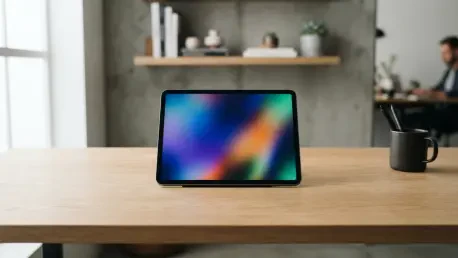

By narrowing the bezels to increase screen real estate without expanding the physical footprint, the device maintains the signature portability of the Mini series while enhancing immersion. This strategic shift moves the compact tablet away from its previous identity as a budget-friendly option and firmly into the premium prosumer market. Positioned alongside the latest flagship releases like the iPhone 18, this model is designed for professionals who demand high-end specifications in a size that fits in a jacket pocket. While earlier iterations focused on media consumption, the 2026 version prioritizes computational power and display precision. This transition reflects a broader industry trend where mobility no longer requires a sacrifice in performance. As specialized workflows become increasingly mobile, the demand for a compact device with professional-grade silicon has reached a tipping point. Consequently, this new hardware represents a definitive answer for those seeking power.
Engineering Excellence: Refined Design and Durability
The architectural overhaul of the chassis demonstrates a commitment to extreme miniaturization without compromising structural integrity. Measuring a mere 5.2mm in thickness and weighing approximately 255 grams, the device is lighter and thinner than any of its predecessors. Despite this significant reduction in physical bulk, the usable screen area has expanded to 8.5 inches, offering a canvas that rivals larger tablets in terms of perceived space. This achievement was made possible through advanced manufacturing techniques that allow for tighter internal component integration. The slim profile is not merely an aesthetic choice but a functional one, making the tablet remarkably comfortable for extended one-handed use during data collection or digital sketching. Such a balance of size and utility ensures that the tablet remains a versatile tool for professionals who are constantly on the move and cannot be tethered to a traditional desk environment or even a standard-sized laptop bag.
Beyond the thinness, the introduction of an IP67 durability rating marks a first for this product line, providing essential protection against dust and liquid ingress. This certification allows the device to withstand immersion in up to one meter of water for thirty minutes, broadening its utility for field researchers, travelers, and industrial professionals. Additionally, the physical layout has been modernized to reflect changing user habits; specifically, the front-facing camera has been relocated to the landscape edge. This change optimizes the tablet for video conferencing and professional collaboration, which has become the standard for remote work. By prioritizing landscape orientation for communication, the hardware aligns with the rest of the professional tablet lineup. The inclusion of more durable materials also ensures that the device can survive the rigors of daily travel without needing bulky protective cases that would otherwise negate its ultra-thin design.
Display Innovation: The Shift to OLED Technology
The most profound technical advancement in this generation is the integration of an organic light-emitting diode (OLED) panel. This shift from traditional liquid crystal displays addresses long-standing demands for higher contrast and better color reproduction in a small form factor. The screen boasts a staggering 2,000,000:1 contrast ratio, which delivers deep, true blacks and vibrant highlights that were previously unattainable on the Mini. With a pixel density of 326 pixels per inch, the clarity of text and fine graphical details remains sharp, even when viewed at close range. Furthermore, the panel achieves a peak brightness of 1,200 nits, ensuring that the screen remains legible under direct sunlight or harsh overhead lighting. This leap in display technology effectively turns the tablet into a reference-grade monitor for photographers and videographers who need to review footage on-site. The visual performance now rivals that of high-end professional workstations.
For professionals working in environments with high levels of ambient light, the availability of a nano-texture glass option provides a critical advantage by diffusing reflections without sacrificing sharpness. This specialized coating, which was once restricted to the most expensive desktop monitors, ensures that the user can focus on creative tasks without the distraction of glare. The color accuracy of the panel is further enhanced by support for a wide color gamut, making it an ideal choice for digital artists who require precise color matching. In contrast to standard glass, the nano-texture surface offers a slight tactile resistance that improves the experience of using a digital stylus, mimicking the feel of traditional media. This focus on display quality signals a clear intent to capture the creative market that has traditionally relied on larger, more cumbersome hardware. By offering these high-end visual features in a compact size, the device caters to a niche that values both portability and professional standards.
Hardware Performance: Powering the A20 Pro Silicon
Under the hood, the device is powered by the A20 Pro chip, a piece of silicon that matches the processing power found in the most advanced smartphones available today. This processor allows the tablet to handle intensive tasks like 4K video editing, complex 3D rendering, and high-fidelity gaming with remarkable efficiency. The transition to this level of power means that professional software can now run without the lag or thermal throttling that plagued earlier compact tablets. Users can manage multi-layered projects and heavy multitasking seamlessly, thanks to the optimized architecture of the chip. Storage options have also been scaled to meet professional needs, starting at 128GB and reaching up to 512GB. This ensures that professionals have enough space to store large media files and high-resolution assets locally. The combination of high-speed memory and advanced processing allows for a fluid workflow that keeps pace with the demands of modern digital content creation and technical analysis.
Connectivity has seen a similar modernization, with the cellular variants of the tablet moving exclusively to eSIM technology. By removing the physical SIM tray, the designers were able to reclaim internal space for other components while streamlining the exterior frame. This digital-first approach simplifies the process of switching carriers or adding international data plans, which is particularly beneficial for global travelers. Despite the move to a thinner chassis and a more energy-intensive display, the internal battery continues to provide the industry-standard ten hours of active use. This consistency in endurance is a result of the high efficiency of the A20 Pro chip and the power-saving characteristics of the OLED panel. For users who rely on their devices for entire workdays, this reliability is paramount. The inclusion of high-speed wireless standards ensures that data transfers and cloud syncing occur rapidly, further cementing the device’s role as a primary tool for those working in connected environments.
Strategic Implementation: Future Insights and Value
Innovative audio technology further distinguishes this model from its competitors, as it utilizes a sound-on-display system. By vibrating the display panel to produce audio, the device eliminates the need for traditional speaker grilles, contributing to the seamless and sleek aesthetic. This method provides a more directional and immersive auditory experience, as the sound appears to emanate directly from the content on the screen. This is particularly effective during video calls or while reviewing multimedia content, where the integration of sight and sound is crucial. Moreover, the migration process for new users has been refined to be nearly instantaneous, allowing for a smooth transition from older hardware. The software ecosystem is fully optimized for the 8.5-inch canvas, with multitasking gestures and split-screen views that maximize the available real estate. These subtle but impactful design choices create a user experience that feels intuitive and cohesive, reinforcing the tablet’s status as a premium product.
The introduction of this high-performance tablet represented a pivotal moment for the industry, as it proved that professional-grade tools could be successfully shrunk without losing their core utility. By integrating OLED technology and the A20 Pro silicon, the hardware successfully bridged the gap between basic mobile devices and full-sized computing platforms. Professionals who required a portable yet powerful solution found that the investment was justified by the increased efficiency and visual fidelity. Looking ahead, the focus will likely shift toward further software refinements that leverage this newfound power for artificial intelligence and advanced spatial computing. For those considering an upgrade from 2026 to 2028, the decision should be based on the specific need for color accuracy and portability. Organizations would be wise to evaluate how these compact units can be integrated into field operations to enhance productivity. The era of the budget mini tablet has effectively ended, replaced by professional excellence.