
The rapid evolution of consumer electronics has fundamentally altered how individuals interact with digital content, moving beyond the confines of physical monitors toward sophisticated wearable displays that promise to turn any environment into a high-fidelity personal theater. As the market for Extended Reality (XR) continues to expand in 2026, the focus has shifted from bulky, self-contained headsets to sleek, peripheral-style glasses that leverage the processing power of existing devices. This transition reflects a broader consumer demand for portability and high visual fidelity without the prohibitive cost often associated with enterprise-grade augmented reality solutions. By prioritizing display quality over onboard computing, manufacturers have been able to refine the form factor, making it more akin to traditional eyewear while maintaining the technical capabilities required for both professional productivity and immersive entertainment. This strategy is particularly evident in recent hardware releases that aim to bridge the gap between niche enthusiast gear and mainstream consumer products.
Visual Performance and Standards
High-Dynamic-Range: The Micro-OLED Advantage
The core of the visual experience in this segment of wearable technology lies in the implementation of dual 0.6-inch Micro-OLED displays, which represent a significant leap over standard LCD technology found in previous generations. Micro-OLED technology allows for significantly higher pixel density and faster response times, but its most lauded feature is the ability to achieve true black levels by completely turning off individual pixels. This capability is essential for creating a sense of depth and immersion, as it prevents the “gray wash” effect that often plagues smaller screens during dark cinematic scenes or atmospheric gaming sequences. By utilizing this advanced panel technology, the device ensures that colors remain vibrant and accurate across a wide gamut, providing a level of clarity that rivals high-end desktop monitors. This focus on premium panel quality serves as the foundation for the hardware’s position as a serious tool for media consumption and creative work.
Integrating HDR10 support into XR glasses marks a milestone for the industry, as high-dynamic-range standards significantly enhance the contrast and color depth available to the user. This technical standard allows for a much wider range of luminance, meaning that bright highlights can coexist with deep shadows without losing detail in either area. For users watching modern cinema or playing high-fidelity video games, this results in a more lifelike image that feels three-dimensional and natural. The inclusion of HDR10 specifically addresses a common complaint regarding earlier XR models, which often lacked the brightness and dynamic range to compete with high-end televisions or dedicated monitors. By mastering this standard, the hardware provides a compelling argument for users who prioritize visual accuracy and cinematic impact over the bells and whistles of standalone spatial computing headsets. It effectively democratizes high-end display technology for a much broader demographic.
Screen Simulation: Field of View and Refresh Rates
A defining characteristic of these XR glasses is the optical engineering required to create the illusion of a massive 201-inch screen floating approximately 20 feet in front of the viewer. This effect is achieved through a complex series of lenses and prisms that expand the image from the small Micro-OLED panels into a large, comfortable field of view. The result is a private viewing environment that feels much larger than the physical space the user actually occupies, making it an ideal solution for travel or small living quarters. This “private theater” approach allows individuals to consume media with a level of immersion that a smartphone or laptop cannot replicate. Because the image is projected in front of the eyes rather than requiring the user to look down at a handheld device, it also encourages a more ergonomic posture, reducing the neck strain often associated with prolonged screen time on mobile devices. This makes the device a versatile companion for long-haul travel.
To maintain visual fluidly and reduce the potential for motion sickness, the device supports a 120Hz refresh rate, which is critical for gaming and high-action video content. A higher refresh rate ensures that motion appears smooth and that there is minimal lag between the host device’s output and the visual presentation inside the glasses. For gamers, this specification is particularly important, as it provides a responsive experience that can keep up with fast-paced competitive titles. Even for general productivity, a smooth refresh rate makes navigating virtual windows and scrolling through text much more comfortable for the eyes over long periods. When combined with the high resolution and the simulated large-screen effect, the motion clarity provided by the 120Hz panels creates a professional-grade viewing experience. This focus on high-performance motion handling demonstrates a commitment to technical excellence that goes beyond the basic requirements of a portable secondary display.
Productivity and Audio Innovation
Software Ecosystems: Virtual Workspaces and Workflows
Beyond the realm of entertainment, the hardware is positioned as a productivity booster through dedicated software like Mirror Studio, which enables the creation of multi-monitor setups. This application allows Windows users to expand their workspace by generating several virtual screens that appear to float in the air, effectively giving a mobile professional the screen real estate of a full office desk. While this functionality is immensely useful for researchers, coders, and writers who need to reference multiple documents simultaneously, the current implementation has some inherent limitations. For instance, the virtual windows typically move with the user’s head movements rather than staying fixed in a physical coordinate system. This “head-locked” display method is perfectly functional for stationary work but can be disorienting if the user needs to move around frequently. Despite this, the ability to carry a triple-monitor setup in a pocket remains a transformative feature for the digital nomad.
The effectiveness of these virtual workspaces depends heavily on the clarity of the text and the stability of the software interface during extended sessions. Because the Micro-OLED panels provide high resolution, text remains crisp and legible even at smaller virtual sizes, which is a common failure point for lower-quality XR headsets. This allows users to work on complex spreadsheets or detailed design projects without the eye strain that usually accompanies low-resolution wearable displays. However, the reliance on a wired connection to the host computer means that the user is physically tethered to their laptop, which limits total mobility. Nevertheless, for those who spend a significant amount of time working in transit or in temporary workspaces, the capacity to expand a single laptop screen into a comprehensive virtual command center offers a tangible boost to efficiency. This suggests that the future of professional computing may lie in these types of visual peripherals rather than traditional static hardware.
Acoustic Engineering: Partnerships and Sound Design
To complement the high-end visuals, the device features an integrated audio system developed in partnership with Bang & Olufsen, focusing on a four-piece open-ear configuration. This design incorporates speakers into the arms of the glasses, allowing the user to hear digital content while remaining aware of their physical surroundings. Open-ear audio is notoriously difficult to perfect due to the lack of a physical seal, which often leads to poor bass response and significant sound leakage that can disturb others. To mitigate these issues, the engineers included specialized “sound tubes” that funnel audio more directly into the ear canal. This mechanical solution significantly improves the clarity of dialogue and the richness of the soundstage, making the audio feel more integrated with the visual experience. While it may not replace high-end noise-canceling headphones for audiophiles, the built-in system offers a convenient and high-quality solution for casual viewing and professional calls.
The challenge of maintaining privacy in a wearable audio system is addressed through sophisticated acoustic management that minimizes the amount of sound escaping into the environment. This is particularly important for users who intend to use the glasses in public spaces like airplanes or cafes, where loud audio from a movie or meeting would be inappropriate. By focusing the sound waves toward the user’s ears, the system ensures that the majority of the audio remains private, even at moderate volume levels. Furthermore, the inclusion of high-quality microphones allows for clear voice pick-up during video conferences, making the glasses a comprehensive communication tool. This integration of audio and visual elements creates a cohesive sensory experience that feels polished and intentional. While most users will eventually pair the glasses with external earbuds for maximum isolation, the internal audio system provides a robust fallback that upholds the device’s reputation for premium engineering and versatility.
Practical Limitations and Value
Hardware Challenges: Power Consumption and Ergonomics
One of the most significant trade-offs in the design of these XR glasses is the lack of an internal battery, a decision made to keep the weight as low as possible for comfort. While this makes the glasses lighter than standalone headsets, it means the device must draw all its power directly from the connected smartphone or laptop via a USB-C cable. The energy demands of driving dual HDR-capable OLED panels and high-refresh-rate controllers are substantial, often leading to a rapid depletion of the host device’s battery life. In practical testing, a standard smartphone can lose approximately one-fifth of its total charge in just an hour of use, which may necessitate the use of a charging bridge or external power bank for longer sessions. This reliance on the host device for power creates a logistical hurdle for users who need to use their phones for other tasks throughout the day, highlighting a major area for improvement in wearable display efficiency.
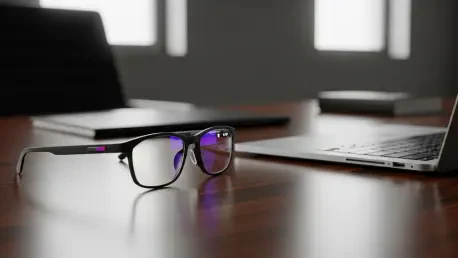
Ergonomics also represent a challenge, as the majority of the device’s weight is concentrated in the front section containing the optics and display panels. Even at a relatively light weight of 76 grams, the distribution is not perfectly balanced, which can lead to a “nose-heavy” sensation during prolonged use. For individuals with sensitive facial features or those who wear the glasses for several hours at a time, this pressure can become uncomfortable, requiring frequent adjustments or breaks. Additionally, while the device includes a matte lens shield to block out external light, the physical bulk of the frames is still more noticeable than traditional sunglasses. Those who already wear prescription glasses may find the “stacking” of frames to be cumbersome, although prescription inserts are often available as a workaround. These physical constraints serve as a reminder that while the technology has advanced significantly, achieving the perfect balance of weight, power, and comfort remains an ongoing pursuit for manufacturers.
Strategic Market Positioning and Implementation
Ultimately, the RayNeo Air 4 Pro established itself as a pivotal device by successfully delivering premium Micro-OLED and HDR10 technology at a price point that was previously unthinkable. The product demonstrated that high-fidelity visual experiences do not have to be restricted to expensive enterprise hardware, making professional-grade portable screens accessible to the general public. To maximize the utility of these glasses, users were encouraged to invest in a high-quality USB-C hub that allowed for simultaneous charging and data transfer, effectively solving the power drain issue during long-term use. The device proved particularly valuable for frequent travelers and remote workers who prioritized screen real estate over the bulky nature of traditional monitors. By focusing on the core visual experience and delegating the heavy processing to external devices, the manufacturer managed to create a specialized tool that excelled in its specific niche while maintaining a competitive edge in the marketplace.
The strategic decision to partner with established audio brands and prioritize display standards paid off by creating a product that felt more like a refined piece of hardware rather than a technical experiment. For those looking to integrate this technology into their daily lives, the most effective approach involved using the glasses for specific, high-value tasks such as focused editing or cinematic viewing rather than as a permanent replacement for all screens. The RayNeo Air 4 Pro provided a clear roadmap for the future of the industry, showing that a streamlined, peripheral-first approach could yield impressive results without the complexity of spatial computing. Moving forward, the industry likely focused on refining power efficiency and weight distribution to further enhance the long-term wearability of these devices. This hardware successfully bridged the gap between early adoption and mainstream utility, proving that the era of the personal, wearable display had truly arrived for consumers seeking high value and performance.