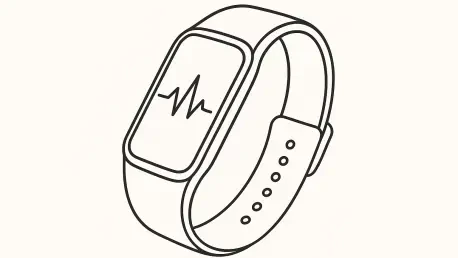

The proprietary operating system on the Smart 9 Pro facilitates over 150 dedicated sports modes designed to automatically recognize movements from cycling to interval training. This sophisticated integration of software and hardware demonstrates how the line between entry-level activity trackers and high-end smartwatches has effectively disappeared in the current landscape. British consumers increasingly demand multi-functional devices that do not sacrifice aesthetics for utility, leading to a surge in hybrid wearables. By focusing on a refined user interface and robust health monitoring, this device addresses a specific niche for those who want professional-grade metrics without the typical price tag associated with premium brands. As the ecosystem matures, the emphasis shifts toward data accuracy and stylistic versatility, ensuring that a single piece of hardware remains relevant from the gym to the boardroom. The convergence of long-range connectivity and biometric precision sets a new standard for what budget-conscious shoppers can expect from their daily tech accessories.
1. Market Evolution and Structural Design
The wearable technology landscape in the United Kingdom has undergone a rapid transformation between 2026 and 2028, driven by a consumer base that is more health-conscious than ever before. Modern users are no longer satisfied with simple step counters; they require comprehensive physiological insights that can influence their long-term wellness strategies. This shift has forced manufacturers to prioritize advanced sensor arrays and sophisticated data processing algorithms even in their more affordable product lines. Consequently, the distinction between a dedicated fitness band and a full-featured smartwatch has become largely academic for the average consumer. The market now favors devices that offer a seamless blend of notification management, advanced sleep diagnostics, and stylish industrial design. This evolution reflects a broader trend where technology becomes an invisible yet essential companion in navigating the complexities of modern urban life. As the demand for such integrated solutions grows, the focus remains on delivering high-value features at accessible price points.
At the heart of this specific user experience is a stunning 1.74-inch AMOLED display that provides vibrant colors and deep blacks, ensuring that data is legible even under the harsh midday sun. The high refresh rate contributes to a fluid interface where swiping through menus and viewing real-time workout stats feels remarkably responsive. Encased in a lightweight metallic polymer frame, the tracker balances structural rigidity with long-term wearing comfort. The chassis is engineered to be thin enough to slide under a dress shirt sleeve while remaining tough enough to withstand the inevitable bumps and scrapes of an active lifestyle. One of the most appreciated design elements is the implementation of a quick-release strap mechanism, which allows users to swap between various styles in mere seconds. This versatility is crucial for those who transition from a sweat-resistant silicone band during morning workouts to a more sophisticated leather or metal link strap for professional evening events.
2. Sensor Technology and Power Management
Precision in health monitoring is achieved through an upgraded dual-channel heart rate sensor that offers significantly improved reliability compared to previous generations. This advanced optical system works in tandem with a dedicated SpO2 sensor to provide a holistic view of the user’s cardiovascular and respiratory health throughout the day. For those who prefer to leave their smartphones behind during outdoor excursions, the integrated independent GNSS system provides a level of freedom rarely seen in this price category. This hardware supports five major satellite positioning systems, ensuring rapid signal acquisition and high-precision route mapping across various terrains. Having a built-in GPS allows for more accurate distance and pace calculations, which are essential for runners and cyclists training for specific performance targets. These metrics are backed by professional motion analysis that provides detailed feedback on VO2 max, training load, and recovery time, empowering users with actionable physiological data.
One of the primary advantages of this specific tracker is its exceptional energy longevity, which effectively removes the burden of frequent recharging from the user’s daily routine. Under standard usage conditions, the internal high-capacity battery can power the device for up to 14 days, allowing for continuous health monitoring and sleep tracking without interruption. Connectivity remains a top priority, with the integration of Bluetooth 5.3 ensuring a stable and energy-efficient link between the wearable and a paired smartphone. Users in the United Kingdom will find the integrated NFC chip especially useful, as it facilitates seamless contactless payments at various retail locations and on public transport networks. This functionality transforms the fitness tracker into a versatile digital wallet, further reducing the need to carry physical cards or a phone for quick transactions. The device also supports smart notifications, allowing users to stay informed about incoming calls and app alerts with subtle haptic feedback.
3. Setup Procedures and Common Inquiries
To ensure a successful initial setup, start by connecting the magnetic charging cable to the pins located on the rear of the device and plugging the USB end into a certified power adapter. It is essential to let the tracker reach a full 100 percent charge before attempting the pairing process. Once the battery is full, visit the official application store on your smartphone to download the Mi Fitness software, which serves as the primary hub for your health data. After installation, launch the application, agree to the local privacy policies, and either sign in or register for a Xiaomi account. With the software prepared, enable Bluetooth on your phone, choose the “Add Device” feature in the app, and select the tracker from the list. Finally, input your accurate weight, age, and height to ensure the device correctly measures your activity and calories. Completing this fine-tuning process ensures that the device is perfectly calibrated to your individual body type and lifestyle needs.
Many potential buyers often inquire about the durability of the device in aquatic environments, and the tracker features a robust 5ATM water resistance rating. This certification indicates that the hardware can withstand pressures equivalent to a depth of 50 meters, making it entirely suitable for swimming in pools or wearing during a daily shower. Regarding ecosystem integration, the tracker remained highly compatible with both Android and Apple iOS platforms through the companion application. iPhone users enjoyed nearly all the same features as their Android counterparts, including detailed health reports and notification mirroring. Another common point of discussion involved the communication capabilities; while the large screen made reading notifications convenient, replying was generally limited to pre-set quick responses on Android. Understanding the impact of the independent GNSS system was also vital, as utilizing standalone GPS for outdoor activities increased energy consumption and reduced the total battery runtime accordingly.
4. Final Assessment and Future Trajectory
The introduction of the Smart 9 Pro represented a significant shift in how budget-friendly wearables were perceived by the general public in the United Kingdom. By delivering a combination of high-resolution display technology and standalone navigation features, the manufacturer proved that premium functionality did not always require a premium investment. The device successfully addressed the core needs of a diverse user base, from serious marathon runners to casual walkers looking for better health insights. Its impressive battery longevity and robust construction established a new benchmark for reliability in the accessible price bracket. The hardware delivered a consistent user experience that bridged the gap between basic activity tracking and professional-grade athletic monitoring. Ultimately, the presence of such capable technology encouraged a broader demographic to engage with their personal health data, fostering a more informed approach to daily wellness and physical recovery across the country.
Moving forward, the success of this wearable suggested that future iterations would likely focus even more on integrated artificial intelligence to provide personalized coaching and preventative health warnings. Users who integrated this tracker into their routines found that the data provided a solid foundation for more advanced fitness goals, such as training for regional marathons or improving sleep hygiene. The next logical step for owners was to explore the deeper analytical tools within the companion application to identify long-term physiological trends. As the market continued to evolve, the emphasis on data privacy and cross-platform synchronization became even more critical for maintaining consumer trust. Investors and developers looked toward these high-value devices as the primary drivers for mass-market adoption of biometric technology. The overall impact of this hardware release was a more health-conscious consumer market that was better prepared to utilize sophisticated digital tools for achieving a balanced and active lifestyle.