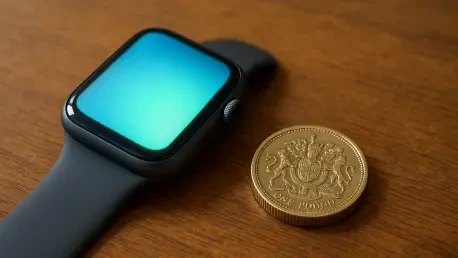

The development of proprietary operating systems has granted budget wearables a distinct battery life advantage over their high-end, energy-hungry counterparts. This technical shift has fundamentally altered the consumer electronics sector in the United Kingdom, where the democratization of wearable technology has reached an unprecedented scale in 2026. Historically, high-end digital timepieces were viewed as luxury items that required significant financial investment, often alienating the average consumer. However, the emergence of high-quality devices priced at approximately £40 has bridged this gap, offering students, casual athletes, and professionals a way to track their health without compromising their budgets. The current market shows that technical optimization and sensor miniaturization have allowed manufacturers to deliver robust utility at a fraction of the cost of legacy brands. This evolution proves that personal health monitoring is no longer a privilege of the elite but a standard accessible to all people across the country.
Engineering the Affordable Wearable
Hardware Specifications: Display and Resolution
To achieve the competitive £40 price point, manufacturers make strategic decisions regarding display technology that balance cost with daily functionality. While premium models often feature high-contrast AMOLED screens, budget smartwatches typically utilize Thin-Film-Transistor (TFT) or standard Liquid Crystal Displays (LCD). These screens are meticulously engineered to provide sufficient brightness for outdoor visibility, which is essential for users navigating the varied lighting conditions of a typical British day. Modern budget displays have reached a level of pixel density that ensures sharp text and clear icons, making notification reading a seamless experience. Although these panels lack the deep blacks of more expensive alternatives, their energy efficiency contributes significantly to the overall longevity of the device. By opting for these reliable display technologies, companies can allocate more resources toward sensor accuracy and software stability, ensuring the watch remains a practical tool for everyday digital life.
Material Selection: Durability and Climate Resilience
The physical construction of affordable wearables in the United Kingdom prioritizes durability and long-term comfort through the use of lightweight polycarbonate or hardened plastic. These materials are chosen specifically to reduce production expenses while maintaining a build quality that can withstand the rigors of 24/7 wear. Because the devices are incredibly light, they are particularly well-suited for continuous sleep tracking and high-intensity exercise without causing wrist fatigue. Furthermore, the inclusion of sweat-resistant silicone straps and IP68 water resistance has become a standard requirement in this price bracket. This level of protection ensures that the hardware can survive the unpredictable British weather, including heavy rain and accidental submersions in shallow water. By focusing on these resilient materials, manufacturers provide a product that feels substantial and reliable, effectively countering the outdated perception that lower-priced electronics are inherently fragile or temporary.
Biometric Integration: Health Monitoring Capabilities
Fitness tracking serves as the primary motivation for most consumers entering the budget wearable sector. Despite the low entry cost, these watches are equipped with capable optical heart rate sensors that effectively monitor resting pulses and cardiovascular trends during steady-state activities like walking or light jogging. Additionally, the integration of blood oxygen (SpO2) sensors and advanced sleep cycle analysis provides users with a comprehensive overview of their respiratory wellness and rest quality. These metrics offer valuable health insights that were once reserved for high-end medical or professional-grade tech devices. While these sensors may not offer the millisecond precision required for elite athletic training, they provide remarkably consistent data for the average person looking to improve their lifestyle. The ability to track daily steps, calories burned, and standing hours at a low price point has turned these devices into essential companions for public health initiatives and personal wellness journeys.
Navigation Limits: Connectivity and Sensor Trade-offs
A significant area where manufacturers achieve cost savings is in the omission of independent GPS modules, which are typically expensive and power-intensive. Instead, most smartwatches in the £40 range utilize a feature known as “connected GPS,” which leverages the location data from a tethered smartphone to map outdoor runs or cycling routes. This design choice highlights a pragmatic balance between providing essential geographical data and keeping the hardware affordable for a broad audience. For many users, carrying a phone during a workout is already a common habit, making this limitation a minor inconvenience rather than a deal-breaker. This trade-off allows the watch to maintain a slimmer profile and a much lower price while still offering the ability to review route maps and pace data within the companion mobile application. It represents a strategic engineering decision that aligns with the needs of casual fitness enthusiasts who prioritize value and battery life over standalone navigation.
Operational Efficiency and User Experience
Power Management: Software and Battery Endurance
One of the most compelling advantages of budget smartwatches is their superior battery longevity compared to premium competitors. While flagship devices running complex operating systems often require daily charging sessions, budget models utilize streamlined, proprietary software that is exceptionally energy-efficient. This architecture allows users to enjoy between one and two weeks of usage on a single charge, effectively eliminating the common issue of “charging anxiety” that plagues high-end smartwatch owners. This efficiency is further supported by the use of low-energy Bluetooth protocols, which maintain a consistent and stable connection to both iOS and Android smartphones without draining the watch battery. By avoiding power-hungry background processes and focusing on core functionalities, these devices offer a reliable experience that appeals to pragmatic users who value long-term uptime over a complex app ecosystem. This longevity ensures that features like sleep tracking are never interrupted by a dead battery.
System Compatibility: Cross-Platform Integration
Universal compatibility is a cornerstone of the budget wearable market in the United Kingdom, ensuring that these devices function seamlessly regardless of the user’s mobile ecosystem. Unlike some premium watches that are locked to a specific brand of smartphone, budget models are designed to work with almost any modern Android or iOS device. This flexibility is a significant selling point for consumers who may switch phone brands or who want a device that is not tied to a single manufacturer’s restrictive environment. The companion applications for these watches have become increasingly sophisticated, offering centralized hubs for data visualization, firmware updates, and customization of watch faces. These apps facilitate a smooth data sync process, allowing users to view their long-term health trends and notification history with ease. This open approach to connectivity has helped the budget segment grow rapidly, as it caters to a wider variety of hardware setups and user preferences without requiring additional ecosystem investments.
Digital Interaction: Notification and Media Hubs
In terms of digital integration, affordable smartwatches act as efficient hubs for smartphone notifications, allowing users to stay informed without constantly reaching for their phones. These devices enable the viewing of incoming text messages, social media alerts, and caller ID information directly on the wrist, which is particularly useful during commutes or meetings. Although these interactions are typically “read-only”—meaning the user cannot dictate long replies or initiate complex tasks—the level of connectivity is usually more than sufficient for the majority of daily communication needs. Furthermore, the inclusion of remote music and camera controls adds a layer of convenience to the user experience. Being able to skip tracks or adjust the volume of a podcast during a workout without touching the phone is a highly valued feature. These small but impactful digital conveniences prove that a smartwatch does not need to be a replacement for a smartphone to be an incredibly useful and productive tool for the modern consumer.
Strategic Value: Market Trajectory and Consumer Insight
The analysis of the UK wearable market revealed that the £40 price point served as a critical threshold for mass adoption. Consumers consistently prioritized battery endurance and core notification reliability over advanced, power-intensive features. The data indicated that users were willing to accept slight hardware compromises, such as the absence of native GPS, in exchange for a device that remained operational for over a week. Looking forward, consumers should carefully evaluate their specific activity needs before investing in more expensive alternatives that offer redundant features. For those entering the market as of 2026, the focus must remain on sensor consistency and app support rather than brand prestige. The industry demonstrated that high-quality digital convenience was achievable through strategic engineering rather than just high-cost components. Prudent buyers found that these affordable models provided more than enough utility for effective lifestyle management. Moving forward, the market should expect even greater sensor integration within this accessible price range.