
The reliance on tenant-owned Thread border routers creates a point of failure that leaves essential smart infrastructure disconnected after move-out. While the Matter protocol arrived with the promise of universal interoperability, it has largely failed to address the specific logistical challenges inherent to the rental sector. Property managers expected a seamless transition when physical keys changed hands, yet the digital reality in 2026 involves a complex web of lingering permissions and hardware dependencies. The industry continues to struggle with the fact that while devices from different brands can now communicate, they do not possess an inherent understanding of property ownership changes. This gap creates a scenario where a smart lock or thermostat remains functionally tethered to the personal account of a resident who has vacated the premises. The lack of an automated handoff mechanism means that turnover remains a manual, error-prone burden for leasing agents.
Multi-Admin Architecture: The Persistence of Digital Footprints
Matter’s technical framework is built upon a multi-admin system that utilizes virtual networks known as fabrics, which allow a single device to belong to multiple ecosystems simultaneously. While this flexibility serves owner-occupied homes well by allowing a light bulb to be controlled by Alexa and Apple Home, it introduces persistent friction in rental scenarios. Because adding or removing an administrator is an intentional, manual commissioning process, a departing tenant does not automatically sever their connection to the home’s smart infrastructure. Crucially, the removal of a device from one personal ecosystem does not trigger a synchronization event across other fabrics. This lack of automated pruning means that unless a property manager performs a manual review of every administrative layer, a former resident could maintain access to the property’s security devices. This persistent digital footprint represents a major hurdle for privacy standards.
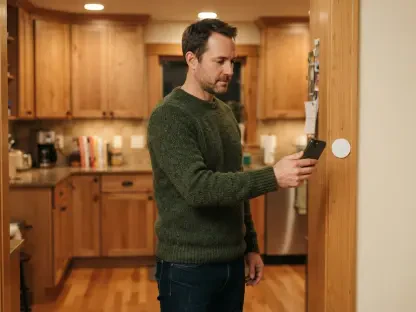
A secondary hardware hurdle involves the physical networking equipment required to maintain connectivity for low-power smart devices. Most Matter-enabled sensors and locks rely on Thread border routers, which are often integrated into consumer-grade smart speakers or hubs provided by the tenant. When a resident moves out and takes their personal hardware with them, the property-owned smart devices—such as leak sensors or entryway locks—lose their bridge to the internet immediately. Industry observers suggest that to ensure a functional handoff, landlords must shift their perspective and treat the smart-home hub as a permanent utility rather than a personal appliance. Maintaining ownership of the essential network infrastructure is the only way to prevent a total system collapse during the turnover window. Without a landlord-controlled hub, the smart features of a unit vanish the moment the tenant packs their belongings, leaving the property vulnerable and technologically dark.
Operational Requirements: Verification and Connectivity Reliability
Being labeled as Matter-ready has proven to be more of a marketing label than a functional guarantee for property operators. Many older smart products require specific firmware updates or external hardware bridges to achieve full compatibility with the current standard, which introduces a significant maintenance burden. Property managers must now adopt professionalized inventory practices to keep up with the technical demands of these systems. This involves verifying every individual device against the Connectivity Standards Alliance’s certified database and maintaining meticulous records of firmware versions and setup instructions. Without this level of precision, the high-pressure window of tenant turnover can be consumed by troubleshooting delays and failed pairing attempts. Proactive maintenance ensures that hardware remains responsive and that the digital infrastructure is prepared for a new user before they receive their physical keys, reducing operational downtime.
Modern property management now necessitates a digital version of the traditional physical inspection checklist that goes far beyond simply changing a Wi-Fi password. A standardized turnover process must include deep factory resets to clear local configurations and the explicit deletion of devices from all previous administrative fabrics. It is vital to ensure that digital keys and access codes are purged not only from cloud-based systems but also from the local memory of the hardware itself. For smart locks, this is a critical security step that prevents unauthorized entry by former residents who may still have active digital credentials cached on the device. By treating the digital sanitization of a unit with the same rigor as repainting the walls or cleaning the floors, landlords can protect the privacy of incoming tenants. This procedural discipline is the only reliable way to close the gap that the Matter standard left regarding automated ownership transitions.
Future Strategy: Legal Boundaries and Digital Sanitization
The complexities of the Matter standard also necessitate significant updates to the legal language used within modern lease agreements to define the boundaries of responsibility. Since the protocol does not dictate who is responsible for subscription costs or who must provide technical support for malfunctioning devices, these details must be clearly codified in the contract. Property owners are increasingly required to outline specific privacy policies regarding the data collected by these devices and specify the tenant’s obligations for maintaining the digital health of the unit. These agreements must also address the consequences of a resident failing to perform the required digital handoff steps upon move-out. Ultimately, while Matter provides the technical language for devices to communicate, the operational success of a smart rental unit depends on human-led strategies and robust contractual protections that address the rights and privacy of both parties.
The implementation of the Matter standard initially promised a simplified future, yet the experience of recent years showed that technology alone could not bridge the gap in rental logistics. Industry leaders found that successful transitions occurred only when property managers prioritized hardware ownership and rigorous turnover protocols over reliance on automated protocols. Landlords who treated smart hubs as permanent fixtures achieved higher levels of system uptime and resident satisfaction compared to those who allowed fragmented, tenant-owned networks. Looking ahead, property owners should invest in specialized management software that facilitates the remote pruning of administrative fabrics. This professionalization of smart property management represented the missing piece of the interoperability puzzle. By integrating digital sanitization into core operational workflows, the industry moved toward a more secure rental experience that protected assets and privacy.