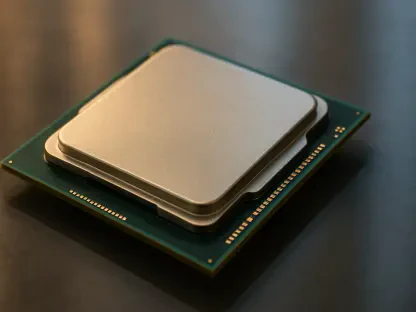

Tucked away in millions of kitchen drawers and bedside cabinets lies a silent army of high-performance processors that are often discarded before their silicon hearts even skip a beat. These pocket-sized computers represent a massive reservoir of latent energy and computing ability that currently goes to waste because of rapid consumer upgrade cycles. Instead of allowing these components to sit idle, engineers identified ways to bridge the gap between consumer consumption and high-end server needs.
The goal of this initiative involves maximizing the utility of every transistor, ensuring that no functional chip is left behind in the race for the newest model. By recognizing the latent power in these pocket-sized computers, researchers began a project to transform what society often considers trash into the foundation of a new kind of computing grid. This shift marks the beginning of a move toward highly decentralized, sustainable infrastructure that utilizes existing resources rather than constantly demanding new ones.
The Hidden Processing Power Lingering in Our Discarded Devices
Most households maintain a collection of yesterday’s technology—perfectly functional smartphones retired simply because a newer model hit the market. While these devices are often viewed as obsolete, they possess sophisticated silicon that remains incredibly capable for years after their initial purchase. This untapped potential is the focus of a new effort to transform what many consider trash into the backbone of modern computing infrastructure.
By treating these electronics as a resource rather than waste, it is possible to create a second life for hardware that still operates at peak efficiency. The silicon inside these phones was designed to handle complex multitasking and high-resolution graphics, making it more than sufficient for many backend server tasks. This approach ensures that the sophisticated engineering invested in mobile devices continues to provide value long after the screen goes dark for the average consumer.
Addressing the Environmental Toll of Global Electronic Waste
The tech industry faces a growing crisis regarding embodied carbon, which is the total greenhouse gas emissions generated during a device’s manufacturing and shipping phases. Manufacturing a single smartphone requires immense energy and raw material extraction, much of which is lost when a device is discarded prematurely. By prioritizing the reuse of existing chips rather than manufacturing new server-grade silicon, organizations can significantly shrink their environmental footprint.
Traditional recycling programs frequently fail to recover the full value of high-performance components, often shredding them for base metals instead of preserving their logic. Shifting the focus toward direct reuse allows for a more sustainable approach to digital infrastructure that respects the complexity of the original manufacturing. This strategy slows the tide of electronic waste entering landfills while reducing the demand for new resource extraction.
Deconstructing the Smartphone for Enterprise-Grade Performance
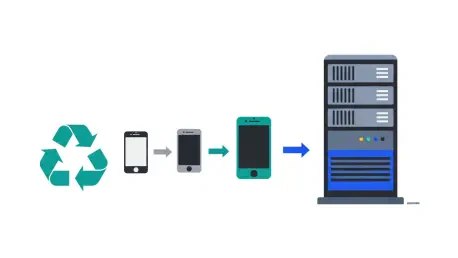
A pioneering collaboration between Google Research and the University of California, San Diego (UCSD), demonstrates how to strip a smartphone down to its raw essentials for data center use. By removing non-essential parts like batteries, displays, and cameras, researchers isolated the System-on-Chip (SoC) to create high-density computing clusters. This process focused purely on the motherboard, which houses the most valuable processing assets for heavy-duty tasks.
Replacing the consumer-centric Android operating system with a specialized Linux-based platform allows these motherboards to run enterprise orchestration tools like Kubernetes. This software shift effectively turned a pile of old phones into a unified, manageable server environment. By treating mobile boards as individual nodes in a larger grid, researchers successfully created a scalable architecture that functions like a traditional server rack.
Surprising Benchmarks and the NASA Precedent for Mobile Silicon
Recent research findings suggest that mobile hardware has a much longer performance life than consumer trends indicate. Benchmarks showed that a cluster of 25 to 50 repurposed smartphones could match the processing capacity of a high-end, dual-socket server. This surprising efficiency stems from the highly optimized nature of mobile silicon, which is designed for high performance within tight thermal and power constraints.
The concept of giving mobile chips a second life in high-stakes environments was famously validated by NASA’s Ingenuity Mars helicopter, which utilized older Qualcomm processors for flight. The UCSD study further confirmed that even three-year-old mobile chips can outperform certain traditional server configurations in specific single-core tasks. This evidence supported the argument that mobile silicon is a robust resource for specialized data center applications.
Implementing Sustainable Computing Clusters in Educational Environments
Universities and schools can adopt specific strategies to bypass expensive cloud costs by building their own second-life clusters. A small array of just 20 smartphones proved enough to host applications for a class of 75 students, providing a low-cost alternative to traditional hardware procurement. This democratization of hardware allowed smaller institutions to access high-performance computing without the traditional financial burden.
The roadmap for scaling this technology involved creating facilities capable of housing 2,000 repurposed devices by the end of 2026. This framework provided institutions with the ability to support hundreds of simultaneous classes using hardware that would otherwise be discarded. It established a sustainable cycle where older consumer electronics directly fueled the educational and research needs of the next generation.
The transition toward this model required a fundamental shift in how the tech industry perceived the lifecycle of silicon. By the time the pilot programs reached maturity, the initiative proved that a circular economy for hardware was both technically feasible and economically sound. Stakeholders identified that repurposing existing chips provided a clear path toward reducing global electronic waste while expanding digital access. Policy makers determined that providing incentives for silicon reuse accelerated the transition, ensuring that sustainable infrastructure became a standard requirement for digital development.