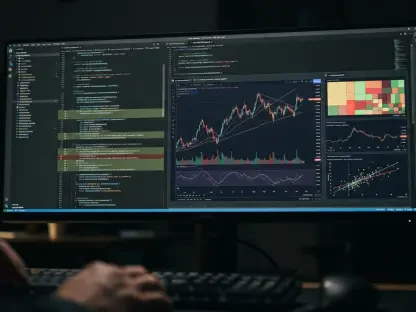
The deployment of the MDASH agentic scanner allows security teams to hunt for bugs in deep-level systems like the Windows kernel at an unprecedented scale. This technological leap reflects a broader tectonic shift in software engineering where manual, line-by-line code entry is rapidly becoming a

Hyperlocal visibility now requires more than just basic keywords; it demands a sophisticated blend of neighborhood-specific data and authoritative school rankings. The real estate industry has undergone a massive digital transformation, making a robust online presence an absolute necessity rather

While digital marketing professionals often view JSON-LD schema as a vital bridge for AI interpretation, empirical data suggests its influence on generative citations is largely overstated. For the past year, the industry has operated under the assumption that structured data is a prerequisite for

The flagship MasterAgent MA100 is designed as a modular computing engine, allowing developers to create custom software skills that extend the functional reach of the smart home hub beyond standard automation. This pivot by UGREEN signals a significant departure from its legacy as a provider of

The paradoxical narrowing of the programming field demonstrates that AI development has prioritized linguistic familiarity over the theoretical freedom of being stack agnostic. While industry analysts once predicted that generative agents would liberate software teams from the constraints of

The integration of quantitative and web intelligence provides a three-hundred-sixty-degree view of consumer psychology that single-method approaches often miss. In the competitive landscape of 2026, the necessity for rapid and actionable data has moved market research from a luxury to a critical