
A bipedal machine standing in a kitchen, mimicking the precise grip of a human hand while sorting laundry, is no longer a fever dream of mid-century novelists or a cinematic special effect designed for the silver screen. The dream of sharing living spaces with artificial beings has shifted from the
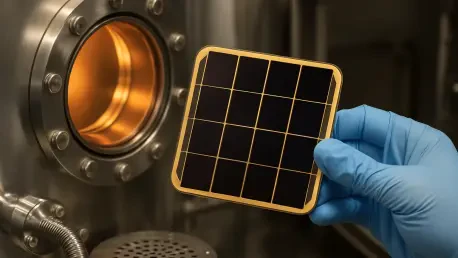
The global transition toward sustainable energy sources has reached a critical juncture where traditional silicon-based photovoltaics are rapidly approaching their theoretical efficiency limits, necessitating the development of next-generation materials like perovskites. While these materials

The global energy landscape is currently undergoing a radical transformation as solar technology moves beyond the static limitations of silicon toward dynamic, multi-source harvesting systems that function regardless of weather. For decades, the reliance on consistent sunlight has been the primary

The traditional silence of Japanese temples is increasingly punctuated by the mechanical whirring of humanoid limbs as religious institutions turn to advanced robotics to bridge the gap between ancient spiritual practices and a rapidly shrinking population of human clergy. This shift represents a

The relentless expansion of artificial intelligence applications has finally pushed the physical limits of traditional silicon, forcing a radical departure from the architectures that have defined computing for decades. As developers strive for instantaneous processing in autonomous systems and
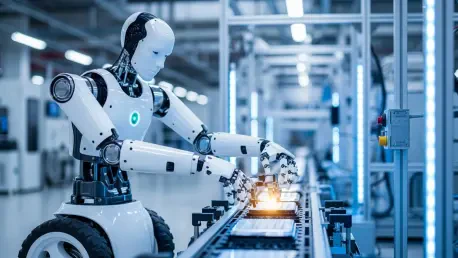
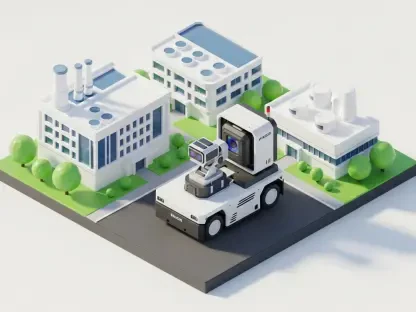
The recent injection of tens of millions of yuan into Shenzhen Tianyuanxing Technology Co., Ltd. represents a decisive shift toward the realization of general industrial embodied intelligence within modern manufacturing facilities. This angel-round funding, led by prominent backers such as Hongde