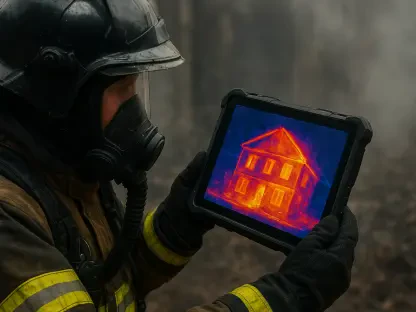
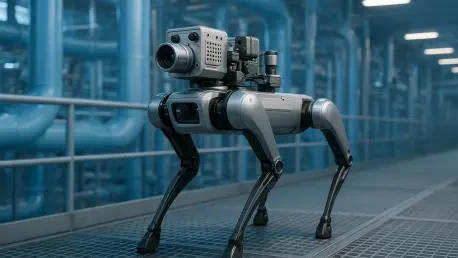
A water cannon mounted on a quadruped platform can discharge foam at 40 liters per second, providing fire suppression in areas too dangerous for human entry. The transition to legged robotics in the emergency sector represents a pivotal shift in how agencies manage high-risk scenarios. In 2026, the

Strategic efforts to localize the quantum supply chain aim to reduce dependence on imported technology, which currently accounts for twenty percent of the facility's production inputs. This milestone follows the successful inauguration of a massive manufacturing hub in Bengaluru, marking a shift
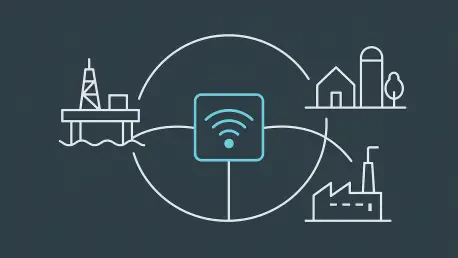
Private 5G is increasingly utilized as the backbone for industrial connectivity because it offers the long-range reach and reliability needed for autonomous machines operating in unlicensed spectrum. In the current landscape of 2026, the demand for high-performance networking has shifted

Early testing at the autonomous drone startup DroneForge revealed that AI-driven analysis could prevent costly hardware misdiagnoses by correctly identifying software errors that humans initially overlooked. This realization comes at a critical juncture for the robotics industry, where the rapid

Xiao Di uses advanced facial and gesture recognition to interact with showroom visitors, offering a level of personalized service that traditional retail methods currently struggle to match. As the global automotive market enters a new phase of saturation in 2026, the necessity for a distinct brand
Modern warehouses frequently experience network congestion that stalls production because handheld scanners and heavy robots compete for the same bandwidth on a single wireless standard. This operational friction has become a primary hurdle as industries transition from static automation to