
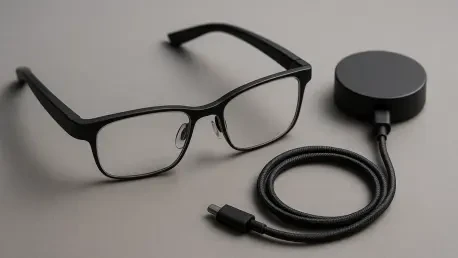
Valve's $59 ergonomic kit and $29 power supply for the Steam Frame suggest a shift toward a modular accessory model where comfort and utility require separate consumer investments. This tactical decision highlights the maturation of the extended reality sector as it moves away from all-in-one
High-fidelity immersion no longer requires heavy equipment, as Meta prepares a device featuring 5K micro-OLED displays and pancake optics in a slim form factor. This development represents a significant pivot from the bulky, all-in-one headsets that have characterized the mixed reality sector for

Downstream CI/CD pipelines that referenced the v2.2.1 tag of compromised actions automatically executed malware designed to exfiltrate sensitive tokens to remote domains. This silent breach began when maintenance tools, specifically the popular GitHub Actions actions-cool/issues-helper and

The transition from post-scan remediation to real-time prevention represents a significant shift-left movement in the software development life cycle. Software engineering teams have long been haunted by the repetitive nature of cybersecurity flaws, where the same vulnerabilities emerge across

Maksim Aleksandrovich Glazkov, a young resident of Bataysk, managed to orchestrate a global double-extortion scheme that offered affiliates an aggressive 85 percent commission on successful ransom payments. The emergence of the Nova Ransomware-as-a-Service (RaaS) operation marked a significant

The transition toward intelligent preprocessing represents a significant evolution in the methodology used to extract knowledge from digital transactions. In the current landscape of hyper-connected commerce and genomic research, the sheer volume of data produced every second creates a