
Deep within the remote corridors of a sub-surface copper mine, autonomous excavators and intelligent sensors now perform tasks that were once considered impossible for human-operated machinery. The global mining sector has undergone a massive shift as the extraction of critical minerals now relies more on sophisticated data algorithms and advanced metallurgy than on traditional manual labor. Modern mining sites function as highly integrated digital ecosystems where every drill bit and haul truck generates a continuous stream of operational data to maximize yield and minimize environmental footprints. This transition is not merely about replacing human drivers; it represents a fundamental rethinking of how terrestrial resources are identified and processed under difficult geological conditions. As surface deposits become exhausted, companies are pushing deeper into the earth, utilizing artificial intelligence to navigate complex environments that were previously deemed too dangerous.
Advancements in Autonomous Systems and Predictive Analytics
Autonomous hauling fleets have become the standard in large-scale open-pit operations, where AI-driven navigation systems manage dozens of multi-ton vehicles with centimeter-level precision. These systems do more than follow pre-programmed paths; they utilize real-time sensor fusion from LiDAR and high-definition cameras to adapt to changing terrain and weather conditions without human intervention. By analyzing traffic patterns and fuel consumption in real-time, central AI hubs can adjust the speed and routing of an entire fleet to prevent bottlenecks at primary crushers or loading zones. This level of coordination reduces mechanical wear and tear by ensuring vehicles operate within their optimal performance envelopes, thereby extending the life of critical engine components and tires. Moreover, the removal of human operators from hazardous areas has led to a significant decrease in accidents, proving that technological efficiency and safety often go hand-in-hand.
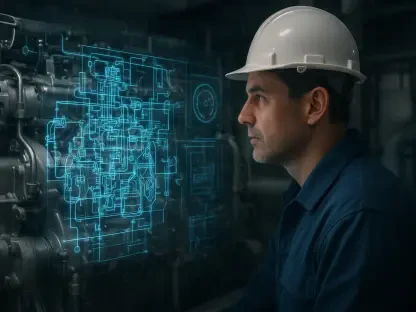
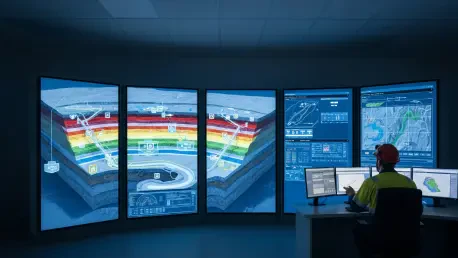
Beyond the movement of earth, predictive analytics are revolutionizing how maintenance teams manage the lifecycle of expensive heavy equipment. Machine learning models now ingest vibration data and fluid temperatures to identify the subtle signs of impending component failure weeks before a breakdown occurs. This shift from reactive to proactive maintenance allows mining firms to schedule repairs during planned downtimes, avoiding the catastrophic costs associated with unscheduled outages in remote locations. For instance, sensors in hydraulic systems can detect microscopic metal shavings that indicate pump wear, triggering an automated work order for a replacement part before the system fails. These insights also allow for more precise resource mapping, where AI algorithms process seismic data to create high-fidelity three-dimensional models of ore bodies. This ensures that extraction efforts are focused on the most profitable zones, reducing the amount of waste rock handled.
Material Innovation and Strategic Resource Integration
The physical demands of modern mining require high-performance parts that can withstand extreme pressures, abrasive dust, and corrosive environments for thousands of operating hours. Recent breakthroughs in material science have introduced specialized tungsten carbide alloys and ceramic-metallic composites that provide durability for ground-engaging tools like bucket teeth and drill bits. These materials are often coupled with smart coating technologies that reduce friction and heat buildup during high-speed drilling operations in hard rock. Furthermore, the adoption of industrial-grade additive manufacturing has transformed the supply chain for these components. Instead of waiting weeks for a specialized gear to arrive at a remote site, technicians can now print replacement parts locally using high-strength metal powders. This capability significantly reduces the inventory costs associated with stockpiling rare spares and ensures that operations remain continuous regardless of logistics.
Industry leaders shifted their focus toward integrating these disparate technologies into a single, cohesive platform that balanced short-term production goals with long-term ecological stewardship. They prioritized the development of interoperable data standards, allowing AI systems from different vendors to communicate seamlessly across a shared network. To remain competitive, companies invested heavily in reskilling their workforces, transitioning traditional operators into data analysts and remote systems monitors who oversaw multiple autonomous sites from centralized hubs. Engineers sought out partnerships with specialized tech firms to refine carbon-capture technologies and electrification strategies, aiming to achieve net-zero targets by 2028. By focusing on modular equipment designs, they ensured that hardware could be easily upgraded with the latest sensors without requiring total vehicle replacement. This strategic alignment provided a robust framework for addressing the growing global demand for raw materials.