
The rapid integration of sophisticated vacuum-based stabilization systems into the infrastructure of India’s major maritime hubs represents a monumental leap toward the complete automation of port operations across the South Asian subcontinent’s vast coastline. For decades, the process of mooring a ship has remained a labor-intensive and potentially hazardous endeavor, requiring deckhands to manage heavy lines while tugboats maneuver vessels into tight berths. This manual approach often leads to significant delays, particularly during adverse weather conditions or high tidal fluctuations. However, the deployment of the first automated mooring system in an Indian port is poised to eliminate these bottlenecks by utilizing high-capacity vacuum pads to secure ships in seconds. This technology not only enhances safety by removing personnel from the snap-back zone of tensioned ropes but also minimizes the idle time of expensive maritime assets, thereby increasing the overall throughput of terminals that are currently struggling to meet the rising demands of international trade.
The Technological Shift: Precision and Safety at the Dock
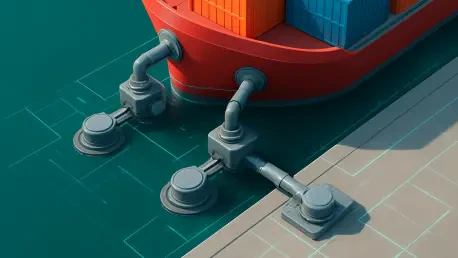
The mechanics behind automated mooring systems rely on a series of remotely controlled units that extend from the quay to meet the hull of an arriving vessel. Once the vacuum pads make contact, they create a powerful physical bond that holds the ship steady with millimeter precision, even in the presence of significant surge or sway. This level of control is unattainable through traditional nylon or wire ropes, which naturally stretch and require constant adjustment by the crew. By automating this phase of the docking cycle, ports can reduce the time spent on mooring from nearly an hour to less than two minutes. This efficiency allows for faster container crane engagement, as the vessel remains perfectly aligned with the shore-based infrastructure. Consequently, the operational window for loading and unloading expands significantly, allowing terminal operators to schedule more arrivals per day without increasing the physical footprint of the existing berth or requiring additional tugboat assistance.
Safety remains a primary driver for the adoption of these automated solutions within the Indian maritime landscape. Historically, mooring accidents have been a leading cause of severe injuries and fatalities in ports due to the immense energy stored in tensioned lines that can snap without warning. By transitioning to a system where the physical connection is managed by computer-controlled hydraulics and vacuum seals, the necessity for human intervention on the quayside during the docking process is virtually eliminated. This shift allows port authorities to reallocate their skilled workforce toward more complex logistical management and oversight roles rather than manual labor. Furthermore, the system’s ability to monitor real-time forces acting on the hull provides a layer of data-driven security that traditional methods lack. Sensors constantly adjust the vacuum pressure and arm position to compensate for changes in cargo weight, ensuring that the vessel remains locked in place regardless of the environment.
Industry experts determined that the successful pilot of automated mooring systems provided a definitive blueprint for the modernization of all major ports along the Indian coastline. The initial phase focused on high-traffic container terminals where the return on investment was most immediate, but the strategy soon expanded to include bulk carriers and liquid natural gas terminals. Decision-makers recognized that the integration of these systems necessitated a standardized digital interface between ships and shore-based hardware. To facilitate this, port authorities initiated comprehensive training programs that refocused traditional maritime education toward automated systems management and predictive maintenance. This transition ensured that the infrastructure remained resilient against the increasing volatility of global supply chains. Furthermore, the establishment of a centralized monitoring network allowed for the optimization of berthing schedules across multiple regional hubs. These actions solidified India’s position as a leader in maritime logistics.