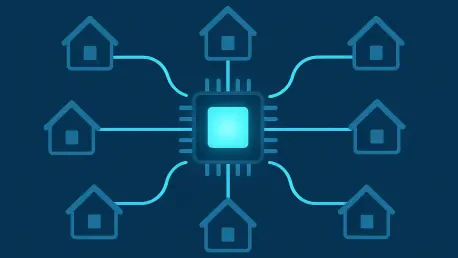

The modern smart home ecosystem has increasingly shifted toward a service-based model where basic hardware functionality is frequently locked behind mandatory monthly subscription fees that frustrate many enthusiasts. This trend has created a growing demand for local-first solutions that prioritize ownership over ongoing rental costs for software features. Enter the latest ESPHome-based starter kit, a comprehensive hardware package designed to empower users by providing a fully customizable, locally controlled environment for home automation without external dependencies. By leveraging the power of open-source firmware and the versatile ESP32 microcontroller, this kit allows homeowners to reclaim their devices from the cloud-centric giants that dominate the market today. It offers a bridge for those who are tired of price hikes and privacy concerns, providing the tools necessary to build a robust system that works regardless of internet connectivity or corporate service updates. This shift represents a significant move toward digital sovereignty for the average consumer, offering a sustainable alternative to the subscription-heavy marketplace.
Technical Foundation and Local Connectivity
Hardware Specifications: The ESP32-S3 Core
At the heart of this new starter kit lies the ESP32-S3, a powerful microcontroller that offers integrated Wi-Fi and Bluetooth Low Energy capabilities for seamless connectivity across a variety of home environments. This specific hardware selection is crucial because it provides enough processing overhead to handle complex automation scripts and high-resolution sensor data without the latency associated with cloud processing. The kit includes a variety of pre-soldered components, such as environmental sensors for temperature and humidity, as well as motion detectors and light sensors. These parts are housed in a durable, well-ventilated enclosure that ensures the electronics remain stable even during prolonged periods of heavy data transmission. Unlike generic mass-market devices, every component in this kit is selected for its compatibility with open standards, allowing for easy replacement or expansion. This modularity ensures that users are not locked into a single ecosystem but can instead grow their network according to their specific needs.
Physical Assembly: Streamlining DIY Construction
Assembly of the hardware is intentionally streamlined to cater to both beginners and advanced hobbyists who appreciate a well-organized build process that avoids the common pitfalls of DIY electronics. The kit features standardized pin headers and clear labeling, which significantly reduces the risk of incorrect wiring during the initial setup phase. Furthermore, the inclusion of a high-speed USB-C interface allows for rapid firmware flashing and debugging, making the development cycle much more efficient than previous generations of microcontrollers. By removing the physical barriers to entry, the kit encourages a broader audience to experiment with custom hardware configurations that were once the sole domain of professional electrical engineers. Each unit is tested to ensure that the wireless radios maintain a stable connection even in environments with significant electromagnetic interference, such as modern apartments filled with various wireless devices. This focus on physical reliability ensures that the local automation system remains a dependable household backbone.
Economic and Privacy Considerations
Financial Sustainability: Eliminating Recurring Fees
One of the most compelling arguments for adopting an ESPHome-based system is the immediate elimination of monthly recurring costs that have become standard in the modern smart home industry. Many commercial brands now require a subscription just to view historical sensor data or to enable advanced automation triggers that should inherently be part of the hardware’s functionality. This kit disrupts that model by providing all advanced features for free, permanently integrated into the local firmware. When calculating the total cost of ownership over a period from 2026 to 2029, the savings become substantial, often exceeding the initial purchase price of the hardware within the first year of operation. Homeowners no longer need to worry about sudden price increases or the sunsetting of services that can turn expensive devices into paperweights overnight. The investment in local hardware is a one-time transaction that delivers long-term value, allowing users to allocate their budgets toward expanding their smart home rather than paying for service.
Data Sovereignty: Local Control and Privacy
The successful deployment of this starter kit demonstrated that users were ready to move beyond the limitations of cloud-dependent ecosystems toward a more resilient and private infrastructure. By prioritizing local control, the community established a new standard for data sovereignty where personal information remained within the walls of the home. This transition provided a clear path for future developments in automation, encouraging manufacturers to adopt open protocols that favored interoperability over proprietary lock-in. As homeowners gained more experience with these tools, the reliance on external servers diminished, leading to a more robust and responsive smart home environment. The move toward DIY solutions empowered individuals to customize their living spaces without the fear of sudden service terminations or privacy breaches. This shift proved that high-quality home automation did not require a continuous financial drain but could instead be achieved through open-source software. The era of the rental smart home faded fast as autonomy became the primary goal for savvy tech enthusiasts.