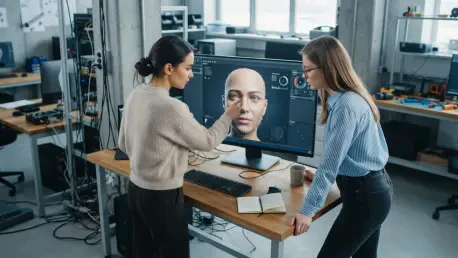

The rapid ascent of fully autonomous digital entities in the global music market suggests that the era of human-only stardom is facing its most significant technological challenge yet. In South Korea, the heart of the K-pop industry, a transformative shift is occurring as developers move beyond traditional virtual avatars toward fully AI-generated idols. Groups such as Seoria, a four-member female ensemble, exemplify this transition by featuring voices, faces, and performances synthesized entirely through advanced generative artificial intelligence platforms. Unlike previous iterations where human performers wore motion-capture suits to animate digital skins, these new entities possess no underlying human presence. This move represents a strategic pivot toward treating the performer as a purely digital piece of intellectual property. By utilizing tools like Jiro’s Dropshot AI, companies are now able to craft complete personas that exist independently of any individual human artist, marking a new frontier in entertainment.
The Technical Foundations of Autonomous Pop Stars
To ensure that these synthetic performers resonate with a global audience, developers have meticulously replicated the established ecosystem of the K-pop trainee system within a digital framework. This process involves more than just visual rendering; it requires the creation of intricate fictional backstories, distinct personality traits, and specific group dynamics that fans have come to expect from their favorite artists. For instance, the debut of Seoria required the generation of tens of thousands of individual video clips and high-resolution images to ensure visual consistency across various media platforms. By aligning these digital creations with industry norms, such as variety-show content and viral dance challenges, production companies are successfully bridging the gap between artificiality and authenticity. This strategy has already yielded substantial results, with millions of digital views and high-profile brand collaborations proving that AI acts can indeed generate massive commercial interest.
From a structural perspective, the transition toward autonomous stars provides a radical solution to the inherent risks and logistical hurdles associated with managing human talent. Traditional entertainment agencies often face disruptions due to personal controversies, physical health crises, or mandatory military service, which can halt a group’s momentum for years. AI idols, however, offer a level of stability and scalability that was previously impossible to achieve in the fast-paced music industry. They do not suffer from physical exhaustion, are not restricted by language barriers, and can perform in multiple geographical locations simultaneously. This allows for the rapid production of localized content across film, live streaming, and interactive advertising at a fraction of the time and cost required for human counterparts. As the industry progresses from 2026 into the coming years, the ability to maintain a constant, unblemished presence in the digital space becomes a powerful competitive advantage.
Commercial Impact and the Future of Parasocial Connections
Despite the clear logistical benefits, a significant question remains regarding the long-term sustainability of the emotional bonds that define modern music fandoms. The K-pop business model is uniquely predicated on deep, parasocial connections between fans and artists, often built through years of shared experiences and perceived vulnerability. While technology can simulate the aesthetic and auditory qualities of a pop star, critics and industry analysts argue whether a fully artificial entity can evoke the same level of loyalty as a human performer. Initial reactions to groups like SisiSi Band and H3arus show a high level of curiosity-driven engagement, but maintaining that momentum requires moving beyond the novelty of the technology. For AI idols to survive, they must transcend their status as technological showcases and become culturally resonant icons. This involves developing sophisticated narrative arcs and interactive experiences that allow fans to feel a sense of contribution within the idol’s universe.
Industry leaders recognize that the successful integration of AI performers requires a paradigm shift in how intellectual property is managed and marketed to the public. Instead of trying to hide the artificial nature of these stars, agencies lean into the digital transparency of the medium to foster a different type of community involvement. They focus on building robust digital infrastructures that support real-time interaction through AI-driven chat platforms and immersive virtual reality concerts. This approach transforms fans from passive observers into active participants in the creative evolution of the AI entities. Moving forward, the focus shifts toward creating hybrid models where human creativity and machine efficiency coexist to enhance the overall entertainment experience. By prioritizing the development of sophisticated lore and ethical AI usage, the industry ensures that technology serves to expand human connection rather than replace it. These steps allow for a diverse landscape where both human and synthetic stars can flourish.