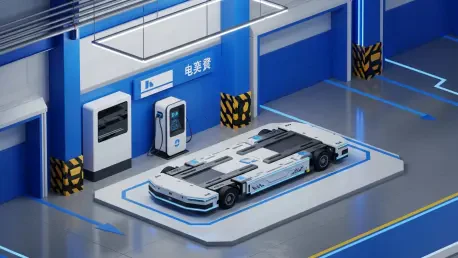

The conventional image of a heavy-duty semi-truck with a driver behind the wheel is rapidly fading as a California-based startup introduces a vehicle that completely removes the human cockpit from the transport equation. Humble Robotics is challenging the status quo with its flagship Humble Hauler, an electric transport unit that integrates the tractor and trailer into a unified, cab-less architecture. This design choice is not merely aesthetic but a strategic move to eliminate the weight and aerodynamic drag associated with life-support systems for human operators. By reimagining the vehicle from the ground up, the company aims to optimize load execution and drive down the per-mile cost of freight significantly.
As the logistics sector grapples with rising operational expenses, this shift toward a dedicated electric platform represents a major leap in supply chain management. The startup focuses on a specific niche where human intervention often slows down the movement of goods: the transition points between different modes of transport. Through the implementation of advanced artificial intelligence, these haulers are designed to function as intelligent nodes within a larger, automated network. This evolution suggests that the future of freight will be defined by specialized robotics rather than the adaptation of legacy machinery.
The Shift Toward Autonomous Heavy Machinery
For decades, the engineering of heavy machinery was constrained by the physiological needs of a human driver, dictating everything from chassis height to the placement of safety mirrors. Traditional logistics models accepted these constraints as an unavoidable overhead, even as digital commerce increased the demand for faster, more frequent shipping cycles. However, the modern market can no longer tolerate the inefficiencies of driver-limited schedules and the idling time required for human rest. This has led to a fundamental pivot in industrial design where the vehicle is treated as a pure tool for cargo movement.
The transition from retrofitted autonomous kits to purpose-built machinery marks a significant milestone in engineering. Early attempts to automate the trucking industry often involved mounting expensive sensor arrays onto existing diesel trucks, which failed to address the inherent inefficiencies of the vehicle’s shape. In contrast, the current movement toward cab-less designs allows for a radical redistribution of internal components, such as batteries and cooling systems, to improve stability and cargo capacity. This design philosophy acknowledges that removing the human allows for a total reinvention of vehicle geometry.
Inside the Innovation: How the Humble Hauler Operates
Leveraging VLA Models: Intelligent Navigation
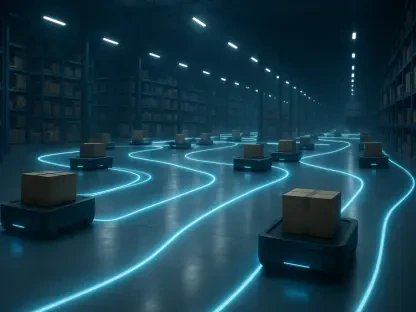
At the core of this technological leap is the integration of Vision-Language-Action AI models, which represent a departure from traditional sensor-based navigation. These models enable the vehicle to process visual information and interpret contextual cues within its environment, allowing it to navigate complex logistics hubs without rigid pre-programming. This reasoning capability is essential for Level 4 autonomy, where the vehicle must make real-time decisions in active ports or railway terminals. By understanding the nuance of a busy warehouse floor, the hauler minimizes the risk of collisions and operational bottlenecks.
Furthermore, the use of these sophisticated models allows the hauler to respond to specific linguistic instructions or symbolic signage that would typically confuse older autonomous systems. This capability ensures that the machine can operate alongside human-driven equipment and personnel without requiring a total overhaul of existing facility infrastructure. As the AI continues to learn from diverse environmental inputs, the reliability of these units in unpredictable weather or high-traffic scenarios is expected to reach new heights, setting a new benchmark for industrial safety.
Modular Engineering: The Multi-Purpose Chassis
Beyond its intelligent software, the physical structure of the vehicle is built on a highly modular chassis designed for maximum versatility. This motorized platform can be quickly reconfigured to transport standard shipping containers or carry heavy industrial tools like mixers and specialized flatbeds. With a range of 200 miles and a top speed of 55 mph, it is optimized for the short-haul routes that define the “middle-mile” segment of the supply chain. This modularity ensures that a single fleet can serve multiple industries, from construction to global retail, without the need for diverse vehicle types.
The efficiency of this electric platform is further enhanced by a streamlined charging protocol that fits into the natural downtime of cargo loading. Because the vehicle does not require the ergonomic features of a cabin, more space is allocated to high-density battery packs and efficient electric motors. This localized power management allows for high-torque performance necessary for hauling heavy loads while maintaining a zero-emission profile. Such a balance between power and sustainability makes the hauler a compelling option for companies aiming to meet strict environmental targets.
Addressing Economic: Labor Complexities
The deployment of autonomous bots into the workforce is a complex issue that balances massive productivity gains against regional labor shifts. With substantial financial backing and a leadership team comprising veterans from the tech and transport sectors, the startup is moving toward large-scale pilot programs. These initiatives are designed to prove that autonomous transport can solve the persistent shortage of heavy-vehicle operators while enhancing the overall safety of industrial sites. However, the economic benefits of reducing human error must be weighed against the need for a restructured labor market.
Industry leaders are increasingly focusing on how to manage this transition without causing widespread disruption to the livelihood of traditional operators. While the hauler is currently limited to controlled environments, its rapid integration into pilot programs suggests that the technology is maturing faster than early projections indicated. Misconceptions about the timeline of full automation are being corrected as these units demonstrate their ability to handle real-world tasks. The focus is now shifting toward creating a framework where machines handle the repetitive execution of loads, allowing humans to move into supervisory and maintenance roles.
Forecasting the Future of AI-Driven Transportation
The trajectory of the freight industry points toward a future where electric, autonomous nodes form the backbone of global commerce. We are likely to witness a surge in new regulatory frameworks as governments realize the economic advantages of allowing cab-less vehicles to operate on wider road networks. As battery technology improves and the cost of AI sensors continues to drop, the range of these autonomous units will likely expand beyond the initial 200-mile limit. This will eventually enable a seamless transition from port-side operations to interstate long-haul transport, effectively bridging the gap between local and national logistics.
Moreover, the rise of autonomy-as-a-service models will likely democratize access to high-efficiency transport for smaller firms. Instead of investing in massive permanent fleets, companies might lease autonomous capacity on an as-needed basis, mirroring the shift seen in the cloud computing industry. This flexibility will allow for a more resilient supply chain that can scale up or down based on real-time market demand. In this evolving landscape, the most successful businesses will be those that integrate these robotic solutions into a digitized, data-driven logistics strategy.
Integrating Autonomous Solutions into Modern Supply Chains
For organizations aiming to capitalize on this shift, the first step involves a comprehensive audit of existing loading dock and warehouse infrastructure. Compatibility with automated charging and docking systems is essential for maximizing the return on investment for autonomous fleets. Companies should prioritize the implementation of localized pilot programs to identify specific use cases where a cab-less hauler can replace traditional vehicles most effectively. These trials provide valuable data on the energy consumption and navigation accuracy of the units before they are deployed at scale.
In addition to technical upgrades, businesses must develop a proactive strategy for workforce evolution. Upskilling programs that train current staff to oversee and maintain autonomous systems will be critical for a smooth integration process. By focusing on the human-robot collaboration aspect, companies can ensure that the adoption of new technology enhances operational value rather than creating organizational friction. Transitioning to an autonomous model requires a holistic approach that considers software integration, physical site adjustments, and the shifting roles of human employees.
Final Thoughts on the Automation of Logistics
The unveiling of the Humble Hauler represented a significant shift in the strategic direction of the global freight market. By combining a cab-less, electric architecture with advanced reasoning models, the industry addressed the long-standing challenges of inefficiency and driver shortages. This move toward specialized, autonomous nodes confirmed that the era of driver-centric vehicle design had begun its decline. The successful pilot programs demonstrated that the safety and economic benefits of removing the human operator were too substantial for the market to ignore.
As the technology moved from controlled warehouses to more open environments, it solidified the role of robotics as a cornerstone of modern industrial life. The transition was not without its hurdles, yet the focus on modularity and AI reasoning provided a clear path forward for the entire supply chain. Stakeholders who embraced this change early gained a significant competitive advantage in a market that demanded both speed and sustainability. Ultimately, the automation of freight transport emerged as a permanent and necessary evolution in how goods moved across the world.