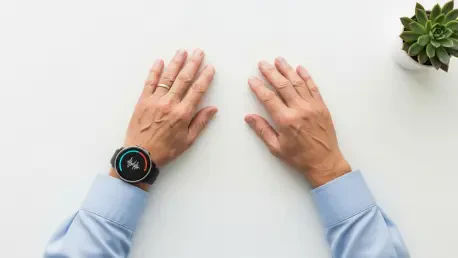

The rapid advancement of wearable technology has fundamentally altered the landscape of geriatric care by providing seniors with a reliable and non-intrusive safety net that supports long-term independence. Modern smartwatches have transitioned from being simple digital novelties into essential medical-grade instruments that allow older adults to maintain their active lifestyles while staying connected to emergency services and family members. These devices function as 24-hour companions that utilize sophisticated sensors and artificial intelligence to identify potential health risks before they escalate into life-threatening emergencies. This shift from a reactive healthcare model to a proactive one means that families no longer have to worry about a silent crisis occurring without immediate detection. By integrating these advanced tools into daily life, seniors can enjoy a higher quality of existence characterized by both freedom and security while aging gracefully in their own homes.
Advanced Safety Features and Emergency Response
Fall Detection: AI-Driven Motion Analysis
Sophisticated AI algorithms now power the fall detection systems found in high-end wearables, distinguishing between a controlled movement and a dangerous accident with high precision. Using high-frequency data from built-in accelerometers and gyroscopes, these devices analyze the velocity and impact of a sudden descent to determine if a wearer has experienced a genuine emergency. If a hard fall is detected and the individual remains motionless for approximately one minute, the smartwatch is programmed to initiate a sequence of alerts that includes audible sirens and tactile vibrations. This technological precision is vital because it reduces the frustration caused by false positives, such as dropping the watch on a hard surface or clapping hands vigorously. When a true incident occurs, the device automatically contacts emergency dispatchers or designated caregivers with precise GPS coordinates to ensure a rapid response.
Beyond the initial impact, modern fall detection systems allow for high levels of sensitivity calibration to match the specific mobility profile and activity level of an individual user. A senior who uses a walker or a cane has a different movement signature than someone who is still highly active and engages in regular cardiovascular exercise or gardening. By learning the user’s typical daily patterns, the software becomes more adept at recognizing anomalies that indicate distress rather than a simple change in posture or a sudden sit-down. Furthermore, the integration of cellular connectivity means that these alerts function anywhere, whether the user is inside their home or out for a walk in the park. This independence from a centralized base station represents a massive leap forward from the traditional medical alert buttons of previous generations. The confidence gained from this silent guardian allows seniors to live more adventurously.
Location Monitoring: Geofencing and Digital Boundaries
Precise location tracking has become a cornerstone of senior safety, particularly for individuals who are managing the early stages of cognitive decline or significant memory loss. Current smartwatches utilize a multi-layered approach that combines traditional GPS with local Wi-Fi signals and cellular tower triangulation to provide pinpoint accuracy in various settings. This redundancy is crucial for locating someone within dense urban environments or inside large buildings where satellite signals might be obstructed by concrete or steel. For caregivers, the ability to view a real-time location on a smartphone app provides peace of mind that was previously impossible without constant physical supervision. The technology is designed to be power-efficient, ensuring that the watch remains active for extended periods without needing a charge during an incident. This level of visibility allows seniors to navigate their communities with confidence.
The implementation of geofencing technology takes location tracking a step further by creating digital perimeters around safe areas like a private residence or a senior center. Caregivers can define specific geographical boundaries and receive instantaneous notifications on their own mobile devices if the wearer crosses these predetermined lines. This proactive notification system is especially valuable for those caring for loved ones with Alzheimer’s, as it provides an early warning before the individual travels too far from safety. Moreover, the historical data logs provided by these devices can help medical professionals identify patterns in wandering behavior, potentially leading to better-informed care strategies for the patient. By using this data, families can balance the need for safety with the senior’s desire for mobility and outdoor activity. The focus remains on maintaining a safe environment without unnecessary restrictions.
Proactive Health Management and Connectivity
Biometric Surveillance: Monitoring Heart and Respiratory Health
Continuous biometric monitoring has transformed the way seniors manage chronic conditions by providing a constant stream of data regarding heart and respiratory function. Smartwatches equipped with optical heart rate sensors and electrocardiogram capabilities can now detect irregularities such as atrial fibrillation with remarkable accuracy. These early warning signs allow users to seek medical intervention long before physical symptoms might become apparent, potentially preventing major events like strokes. Additionally, blood oxygen saturation sensors provide critical insights into respiratory health, flagging issues such as nocturnal hypoxia or sleep apnea during the night. By wearing these devices consistently, seniors can gain a comprehensive understanding of their sleep quality and breathing patterns over time. This data-driven approach to wellness empowers individuals to have more productive and factual conversations with their physicians.
The scope of health monitoring has expanded to include environmental and metabolic factors that are often overlooked until a health crisis occurs in the home environment. Modern sensors can track body temperature fluctuations and skin conductance to identify signs of dehydration or heat-related stress before they become dangerous for the wearer. For older adults, who may have a diminished thirst response or difficulty regulating internal temperature, these automated reminders to drink water or move to a cooler area are invaluable. Some high-end models even incorporate hydration tracking through bioelectrical impedance analysis, offering a scientific view of the body’s fluid levels. This level of preventive care shifts the focus from emergency response to the daily maintenance of health, significantly reducing the likelihood of hospitalization due to preventable causes. By staying ahead of minor physiological changes, seniors can avoid the setbacks of common risks.
Communication Systems: Strategic Implementation and Insights
The simplicity of communication features on modern wearables was a direct response to the challenges faced by seniors when using traditional smartphones. High-quality speakers and microphones were integrated to ensure that every voice call remained clear, even for users with significant hearing loss. Voice-to-text capabilities allowed for natural messaging without the need for precise typing on small screens. Additionally, the inclusion of a dedicated physical SOS button provided a fail-safe mechanism that worked instantly during a crisis. This button bypassed complex navigation menus, establishing a direct line to emergency services with a single press. These engineering choices reflected a deep understanding of geriatric needs, focusing on usability during high-stress medical events. By removing technical barriers, manufacturers ensured that safety features were accessible to all, regardless of their technical proficiency.
The successful implementation of these advanced tools demonstrated that intuitive technology served as a bridge to improved health outcomes and increased safety for the elderly. It was observed that selecting a device with a robust battery life and a high-contrast display ensured higher long-term engagement. Families who established clear protocols for emergency alerts and shared health data with medical providers saw a measurable decrease in hospital readmissions. For those looking to adopt these tools, it was essential to prioritize features like fall detection and heart rate monitoring for immediate benefits. Looking forward, the focus shifted toward integrating these wearables with broader smart home ecosystems to create a comprehensive support network. This transition empowered seniors to live with more confidence, knowing their health was being monitored by a digital guardian. This approach proved that proactive monitoring was superior to reactive care.