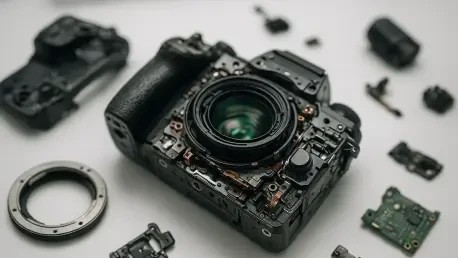

The presence of anatomical errors and visual artifacts in camera advertisements serves as a clear indicator that marketing teams are prioritizing speed over the high-quality output their products are supposed to produce. This alarming trend has created a bizarre paradox within the photography sector, where the very tools designed to capture the nuance of reality are being marketed through purely synthetic means. This phenomenon, often described by critics as “visual slop,” highlights a growing disconnect between the engineering departments of camera manufacturers and their promotional counterparts. When a company chooses to bypass the traditional creative process in favor of high-volume, algorithmically generated content, they risk alienating the dedicated community of professional and enthusiast photographers they aim to serve. This strategy represents a fundamental betrayal of the medium’s core values, suggesting that the act of photography is a replaceable commodity rather than a unique human pursuit requiring precision.
The Core Conflict Between Synthetic Media and Optical Reality
Transparency and the Fundamental Trust Gap
The integration of generative artificial intelligence into camera marketing creates an inherent logical fallacy that threatens the long-term viability of brand-consumer relationships. At its core, the primary function of a camera is to document and interpret light from the physical world, yet the use of synthetic media suggests that the actual performance of the hardware is secondary to a manufactured, perfect aesthetic. When brands fail to disclose the origin of their promotional imagery, they create a vacuum of trust that is difficult to fill once discovered. For a photographer, the sample gallery is a promise of what the sensor and glass can achieve under specific conditions. If those samples are revealed to be the result of a prompt rather than a shutter press, the foundational contract between the manufacturer and the artist is effectively broken. This lack of transparency implies that the company lacks confidence in its own technology to produce compelling results.
Regional Disparities in the Acceptance of Synthetic Content
A fascinating geographical divide has emerged regarding how synthetic marketing content is received across different global creative sectors. In several major Asian markets, particularly within the bustling tech hubs of China, generative media is frequently woven into mainstream advertising with surprisingly little pushback from the general public. In these regions, the emphasis often leans toward the efficiency of the workflow and the final visual impact rather than the technical origin of the file. However, the reception in Western markets, including North America and Europe, remains starkly different, characterized by a deep-seated repulsion toward synthetic imagery in professional contexts. For photographers in these areas, authenticity serves as the primary currency of their craft, making the intrusion of non-human artifacts feel like a calculated insult to their professional intelligence. This cultural rift forces global manufacturers to balance competing philosophies in their regional campaigns.
Documenting the Impact of Automated Content Creation
Strategic Errors in Accessory Marketing: The Xtra Muse Case
The gimbal manufacturer Xtra recently provided a cautionary tale regarding the dilution of brand value through mismatched marketing assets. By including artificial clips of wildlife in press materials for the Muse gimbal, a device specifically engineered to provide stability for real-world videography, the company severely undermined its own technical credibility. This decision was particularly puzzling given that a brand specializing in camera accessories should naturally possess the internal expertise to produce genuine, high-quality sample footage. Instead of showcasing the unique stabilization capabilities of their hardware, the inclusion of synthetic clips suggested a profound lack of confidence in the product’s real-world performance. Critics noted that if a stabilizer cannot be shown stabilizing actual light, its utility remains unproven. This incident served as a stark reminder that when marketing teams cut corners, they often inadvertently highlight the very weaknesses they intend to hide.
Purist Perspectives and the Ricoh GR Editorial Controversy
The controversy surrounding Ricoh GR Europe’s photography blog illustrates the severe consequences of a failure in editorial oversight within a niche market. The company recently published a guide dedicated to night photography that unfortunately featured “street” images containing obvious hallmarks of synthetic generation, such as figures with distorted limbs or cameras missing essential physical components. This error was particularly damaging because the Ricoh GR brand caters to a purist demographic that deeply values the “truth in the moment” philosophy. For these users, the camera is a discrete tool for capturing fleeting, unrepeatable reality, making the use of artificial imagery a direct violation of the brand’s core identity. The subsequent removal of the images was seen as a tacit admission of guilt, proving that the collective vigilance of the photography community remains a powerful deterrent against the infiltration of synthetic content into spaces reserved for genuine art.
Establishing New Industry Standards for Visual Integrity
To resolve these tensions, the industry moved toward a framework of verifiable integrity that prioritized the human element in every promotional campaign. Successful brands recognized that the only way to restore consumer confidence was to implement strict disclosure mandates for any content not produced by their own hardware. They discovered that by leaning back into traditional craftsmanship, they could differentiate themselves from the deluge of low-quality synthetic media flooding the market. Companies that flourished during this transition were those that reinvested in professional ambassadorships and community-driven galleries, proving that real-world performance outweighed the convenience of automation. This shift ensured that the technical specifications of a sensor remained the primary selling point rather than an algorithmic approximation. Ultimately, the industry learned that while generative tools offered speed, the preservation of authenticity was the only sustainable path for a sector built on the foundation of capturing truth.