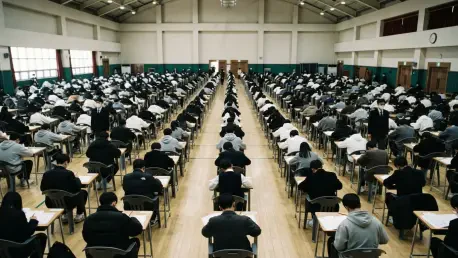

The sheer silence of a testing hall in Seoul was shattered by a piercing digital siren that signaled a new era of state-enforced academic integrity during the 2027 College Scholastic Ability Test. The South Korean government took the unprecedented step of repurposing its nationwide emergency broadcasting system, originally built for natural disasters like earthquakes, to identify illicit communication devices among students. This technological intervention reflects the increasing necessity to stay ahead of AI-enhanced cheating methods that threaten the perceived fairness of the nation’s most important academic milestone. By leveraging a system meant for life-saving alerts, authorities transformed millions of citizen handsets into a diagnostic tool designed to trigger any concealed mobile devices hidden in backpacks or clothing. The move signifies a shift from passive monitoring to active detection in a society where the results of a single exam can define an individual’s social and professional future for decades to come.
Implementation of the Digital Dragnet
The operational strategy for this initiative involved a carefully timed series of three synchronized alerts sent to every active cell phone within the national borders at specific intervals. These notifications were not silent text messages; instead, they were programmed to bypass standard volume settings and emit a high-pitched, 10.5-second alarm designed to be heard through multiple layers of fabric and padding. The first of these signals was deployed just before the initial testing period commenced, serving as a final warning for students to surrender any prohibited hardware to the proctors. Two subsequent alerts followed during the midday break and the high-stakes fourth testing period, ensuring that any device smuggled back into the room would eventually be exposed by the government-mandated sound. This forced audit system relied on the ubiquity of the 5G and LTE infrastructure that blankets the peninsula, turning the very technology cheaters might use against them.
Beyond the immediate goal of finding hidden smartphones, this digital dragnet was specifically engineered to counter the rise of ultra-small, AI-integrated wearables and microscopic cameras. Traditional metal detectors and manual searches often fail to catch the latest generation of consumer electronics, which can be disguised as everyday items or hidden in anatomical cavities. By using the emergency alert protocol, the Ministry of Education effectively created a wide-area electronic pulse that demanded an audible response from any device capable of receiving a cellular signal. This method provides a more comprehensive layer of security than standard physical inspections, as it accounts for the miniaturization of hardware that has made visual detection nearly impossible for human proctors. The government maintained that the integrity of the College Scholastic Ability Test required such drastic measures to prevent the use of generative AI tools that could provide real-time answers.
Public Reaction and Cultural Confusion
While the government’s focus remained strictly on the testing centers, the nationwide nature of the broadcast meant that the entire population experienced the jarring effects of the synchronized alarms. For many residents, the sudden and loud sirens triggered a visceral sense of panic, with some citizens fearing that the signals indicated a real-world crisis or a military escalation. This immediate emotional response highlights the psychological weight carried by emergency sirens in a region that remains technically in a state of conflict. People in transit, shopping malls, and residential blocks were seen stopping in their tracks, many frantically checking their screens to decipher the meaning of the Korean-language text. The intensity of the 10.5-second sound was enough to disrupt the daily rhythm of the nation, illustrating the far-reaching consequences of using civil defense infrastructure for administrative tasks that do not constitute an immediate threat to public safety.
The confusion was particularly acute among the foreign population and tourists who were caught off guard by the intensity of the South Korean education system’s security protocols. Visitors from neighboring countries, such as Japan, reported significant distress in public spaces like cafes and subway stations, as they were unable to quickly translate the alert messages while the piercing alarms continued. Although the “Emergency Ready” mobile application is designed to provide safety guidelines in twenty-two different languages, it failed to provide the necessary cultural context to explain why a scholastic exam justified a national security alert. This disconnect underscores the challenges of managing a globalized city like Seoul where visitors may not be familiar with the extreme societal pressure surrounding the College Scholastic Ability Test. The incident revealed a gap in how the government communicates its domestic policies to international guests, as many visitors remained fearful long after the alerts.
Socioeconomic Impact and Justification
The disruption caused by the repeated alarms extended into the lives of vulnerable populations and those working nontraditional hours, exposing the collateral damage of a blanket notification system. Shift workers, including nurses and industrial laborers who had just completed overnight rotations, found their sleep cycles interrupted multiple times throughout the day by the unavoidable sirens. Similarly, the homeless community in districts like Mapo, who may not have access to consistent news updates or the pre-event publicity, were observed looking around in confusion and distress. These groups felt the impact of the policy more acutely because they were unable to plan for the scheduled disturbances that the rest of the population had been warned about through mainstream media. Despite these negative externalities, the state argued that the collective sacrifice was a small price to pay to ensure that the meritocratic principles of the nation were upheld.
Among the general South Korean public, a sense of cautious acceptance eventually emerged, rooted in a deep-seated belief that academic fairness must be preserved at any cost. Many parents and older citizens argued that the alerts were a justifiable defense against the growing inequality posed by expensive, high-tech cheating devices that only wealthy students might afford. In a culture where the results of this single examination dictate career trajectories, university placements, and even social standing, the perception of a level playing field is vital for social cohesion. This collective prioritization of the test’s integrity over individual convenience reflects the unique status of education in the national consciousness. By framing the alerts as a necessary tool to combat advanced devices, the government tapped into a broader public desire to see corruption rooted out of the system, even if it required the entire nation to endure several moments of jarring noise.
Technical Success and Legal Consequences
The technical results of the operation confirmed the effectiveness of the digital dragnet, leading to the discovery of twenty-two unauthorized smartphones across nine different provinces. These devices were located primarily because the high-volume alarm made it impossible for students to hide the sound from vigilant proctors, even when the phones were buried deep inside bags or under floorboards. Vice Education Minister Choi Eun-ok noted that the success of the alerts has bolstered the government’s resolve to continue utilizing aggressive technological measures in future academic cycles. This outcome serves as a stark warning to any individuals who believe they can outsmart the system using current or emerging technologies. The state has demonstrated that its reach into personal digital devices is comprehensive, and the data gathered from this event will likely inform the development of even more sophisticated detection methods, such as signal-jamming zones or localized network monitoring.
The 2027 College Scholastic Ability Test established a definitive precedent for the integration of national security tools into domestic administrative functions. Authorities proved that existing disaster-response infrastructure could be successfully repurposed to enforce social standards, though the move necessitated a reevaluation of how such systems interact with the general public. Moving forward, the government explored the development of more targeted alert zones that localized the alarms to testing perimeters, reducing the disruption to the broader population while maintaining the psychological deterrent. Legal experts emphasized that future iterations required clearer legislative frameworks to define the obstruction of official duties in a digital context, ensuring that penalties for cheating remained proportional yet firm. The focus shifted toward creating a unified digital identity for examinees that would allow for non-intrusive monitoring of all electronic emissions.