
Traditional autonomous cleaning systems often struggle with static programming, but Neura aims to solve this by installing advanced sensors that allow machines to interpret situational changes. This strategic acquisition of Adlatus Robotics by Neura Robotics marks a transformative moment in the robotics industry, signaling a decisive shift from task-specific machines toward a unified Physical AI ecosystem. By bringing Adlatus fully under its wing, Neura Robotics aims to integrate specialized autonomous cleaning technologies into its ambitious Neuraverse platform. This move follows the recent integration of other mobile platforms, solidifying the position of Neura as a leader in creating interconnected, intelligent agents that go beyond simple automation to operate within a shared cognitive infrastructure. The industry is currently witnessing a transition where robots are no longer isolated tools but part of a larger, thinking network that adapts to human environments with unprecedented fluidness and reliability.
Integrating Specialized Expertise into the Neuraverse
Building a Unified Physical AI Infrastructure
The primary goal of this acquisition is to merge the robust hardware and industry-specific knowledge of Adlatus with the advanced AI platform developed by Neura. Rather than just marketing standard cleaning robots, Neura intends to upgrade these existing machines with sophisticated sensors and deep learning capabilities, turning them into intelligent actors capable of high-level situational awareness. This integration allows the robots to distinguish between various surface types and assess real-time environmental changes, such as sudden increases in foot traffic or the presence of temporary obstacles. By doing so, the machines can ensure they adapt their behavior dynamically rather than following the rigid, pre-programmed paths that have historically limited the effectiveness of industrial cleaning units. This evolution ensures that the robotics hardware is no longer a static asset but a growing intelligence that learns from every interaction within its operating space.
Furthermore, this infrastructure serves as the foundation for a more cognitive approach to industrial maintenance and logistics. By embedding Physical AI into the very core of the Adlatus hardware, Neura is effectively giving these machines a sense of reason that goes beyond simple obstacle avoidance. These enhanced systems can now prioritize tasks based on the level of dirt detected or the urgency of a specific area, much like a human worker would. The synergy between high-end computational power and specialized mechanical design means that the robots can operate for longer periods with less supervision. This level of autonomy is critical for large-scale facilities where downtime is costly and efficiency is paramount. As these units become more integrated into the Neuraverse, they will contribute to a collective intelligence that benefits every other machine in the network, creating a feedback loop of continuous improvement and operational excellence across the entire facility.
Scaling an Open Industry Ecosystem
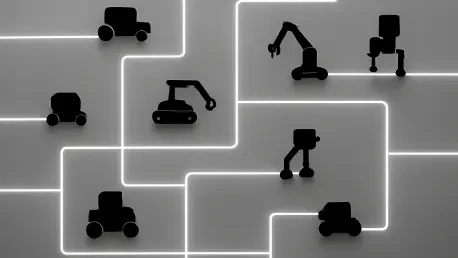
Beyond its own immediate product line, Neura Robotics envisions the Neuraverse as an open platform that provides a standardized brain for the entire robotics industry. By offering this scalable physical AI infrastructure to other manufacturers, Neura seeks to solve the persistent problem of industry fragmentation where different machines cannot communicate or share logic. This strategy mirrors the historical development of modern operating systems, where a unified software foundation allows diverse hardware—ranging from heavy transporters to specialized cleaning units—to share data and learning models seamlessly. Ultimately, this approach is designed to accelerate the deployment of autonomous solutions across various sectors by providing a common language for machines. It creates a fertile ground for innovation where smaller manufacturers can leverage high-end AI without needing to develop it from scratch, thereby fostering a more collaborative and efficient global robotics market.
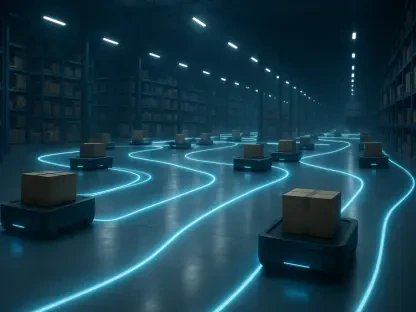
The expansion of this ecosystem also means that the data collected by one type of robot can inform the actions of another, leading to a truly synchronized autonomous environment. For instance, a cleaning robot might identify a spill and immediately notify a transport unit to reroute, or it could signal a maintenance bot to assist with a larger repair. This level of cross-platform communication is only possible through a unified AI layer that understands the context of a busy warehouse or hospital. By moving toward an open standard, Neura is positioning itself as the central architect of the next generation of industrial automation. This move is expected to drive down costs for end-users while simultaneously increasing the versatility of the robots they deploy. As more partners join the Neuraverse, the collective capability of the platform will grow exponentially, making it an indispensable tool for any organization looking to modernize its physical operations in a world where speed and intelligence are the primary drivers of success.
Advancing a Human-Centric Mission in Robotics
Automating the Dull, Dirty, and Dangerous
The collaboration is deeply rooted in a shared philosophy of creating helper robots that support rather than replace human workers in various environments. By focusing on the three Ds—tasks that are dull, dirty, or dangerous—Neura and Adlatus aim to free people from labor-intensive and often hazardous cleaning processes. This approach enhances workplace safety and allows human employees to redirect their focus toward more complex and rewarding responsibilities that require human creativity and empathy. It aligns the technology with the core mission of Neura to serve humanity through helpful, cognitive automation that integrates smoothly into the social fabric of the workplace. By removing the burden of repetitive physical labor, these intelligent systems contribute to a more sustainable work environment where human potential is maximized. The goal is to create a partnership between man and machine where the robot handles the grit while the human manages the strategy.
The implementation of these systems in high-stakes environments like hospitals and industrial factories has already demonstrated significant improvements in hygiene standards and operational consistency. By taking over the most repetitive tasks, the robots ensure that sanitary protocols are followed with mathematical precision, which is particularly vital in healthcare settings where human error can have serious consequences. Moreover, these machines are designed to work alongside humans safely, utilizing their advanced sensor suites to navigate crowded hallways without causing disruption. This seamless integration ensures that the presence of robotics is seen as a benefit rather than a hurdle, fostering a positive attitude toward automation among the workforce. As the technology continues to mature, the focus remains on enhancing the quality of life for workers by providing them with reliable mechanical partners that excel at the tasks humans find most taxing or hazardous.
Streamlining Operations via Unified Management
Under the new leadership structure, Neura planned to simplify how businesses interacted with autonomous fleets by introducing a unified Fleet Manager system. This innovation allowed customers to oversee a diverse range of robots, including both transporters and cleaners, through a single, intuitive interface that removed the need for multiple proprietary control programs. As these machines became more versatile and interconnected, the boundaries between different types of robots continued to blur, leading to a more efficient and cohesive future for autonomous labor in industrial and commercial environments. Companies were able to optimize their workflows by viewing their entire robotic workforce as a single, coordinated entity rather than a collection of disparate tools. This move toward simplified management encouraged broader adoption of robotics technology, as the barrier to entry was lowered for organizations that previously lacked the technical resources to manage complex, multi-brand autonomous systems.
Furthermore, the introduction of this management layer provided organizations with actionable insights derived from the collective data of their entire fleet. Managers could analyze efficiency patterns, predict maintenance needs, and reallocate resources in real time to meet changing demands on the factory floor or in a hospital ward. This data-driven approach ensured that the investment in Physical AI translated into tangible economic benefits and improved service delivery. By centralizing the control logic and sensory data, Neura enabled a higher level of transparency and accountability in robotic operations. Moving forward, businesses were encouraged to look beyond the initial deployment of individual units and consider how a holistic, interconnected fleet could transform their entire operational strategy. This forward-thinking model established a new standard for how the physical world and digital intelligence could coexist to drive industrial progress while maintaining a clear focus on human-centric outcomes and sustainable growth across the global economic landscape.