
The modern smartphone experience is undergoing a fundamental shift where static interfaces are replaced by proactive systems that anticipate user needs before a single touch occurs. With the upcoming debut of the Find X9 Ultra on April 21, the mobile landscape is preparing for a significant transformation through the introduction of ColorOS 16. This update moves beyond simple software refinements to establish a comprehensive ecosystem known as AI Mind Space, which aims to centralize intelligence across various device functions. Rather than acting as a passive platform for third-party applications, the operating system is evolving into an active participant in daily life, capable of handling administrative burdens and cognitive tasks with unprecedented efficiency. By integrating advanced machine learning models directly into the core user interface, the system promises to deliver a level of personalization that feels intuitive rather than intrusive, setting a new benchmark for how hardware and software interact in the current tech climate.
AI Mind Space and the Evolution of Personal Assistants
At the heart of this technological leap lies the AI Mind Pilot, a personalized assistant designed to move beyond the limitations of standard digital helpers by utilizing multiple industry-leading AI models simultaneously. This unique architecture allows users to engage with complex queries and receive diverse perspectives within a parallel, seamless interface, effectively turning the smartphone into a collaborative brainstorming partner. Furthermore, the introduction of the AI Bill Manager addresses the friction of financial organization by automating expense tracking from both digital invoices and physical receipts. By leveraging the camera to capture data and organizing it into a structured Bill Memory collection for easy retrieval, the system eliminates the need for manual data entry and provides a streamlined method for financial oversight. This transition toward automated data management suggests a path where the device takes responsibility for the mundane details, allowing users to focus on higher-level decision-making.
Enhanced Productivity and Seamless Ecosystem Integration
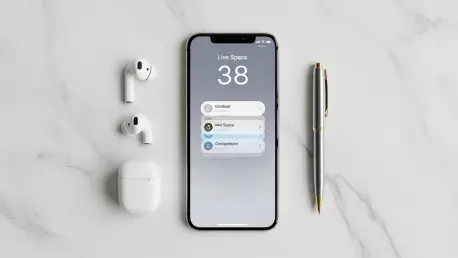
Productivity gains extend into international utility and communication through the implementation of the AI Menu Translation tool and the AI Email Brief. Travelers can now navigate foreign environments with greater ease, as the software translates menus and identifies specific ingredients while performing real-time currency conversions to ensure transparent transactions. Meanwhile, the AI Email Brief streamlines correspondence by generating daily summaries of critical messages and enabling one-tap calendar synchronization for meetings and tasks. The user interface has also seen a major overhaul with the introduction of Live Space, a lock screen feature that optimizes notification management through simple gestures, allowing users to switch between capsule and stacked views. Collaboration with Google to potentially integrate AirDrop-like support into Quick Share on the Find X9 Ultra indicated a strategic move toward broader compatibility. The focus shifted toward refining these proactive algorithms to ensure they remained relevant as user habits continued to evolve.