
The relentless and oppressive humidity of the Florida Gulf Coast has long served as the ultimate stress test for residential cooling systems, often pushing conventional mechanical components to the edge of total failure during the peak summer months. In Clearwater, the transition from traditional, reactive air conditioning management to sophisticated, AI-driven climate control has become an essential strategy for maintaining both residential comfort and economic efficiency. Rather than relying on simple bimetallic strips or basic digital timers, modern systems now utilize machine learning to analyze environmental patterns and internal mechanical stresses. This technological evolution allows for a more nuanced response to the local climate, where temperatures can swing wildly and humidity levels often remain near saturation for days at a time. The integration of Artificial Intelligence transforms the HVAC unit from a passive appliance into an active, thinking component of the home’s infrastructure. By processing vast amounts of data regarding outdoor air quality, indoor occupancy, and component performance, these systems are now capable of adjusting their operational parameters in real time to ensure optimal performance. This shift represents a broader movement toward high-tech living in the region, where homeowners prioritize reliability and data-driven insights over the outdated model of waiting for a total system breakdown before seeking professional intervention.
Intelligent Monitoring: Combating the Florida Heat
The intense heat and relentless humidity of the Gulf Coast put incredible stress on cooling systems, leading to frequent issues like refrigerant leaks and clogged drain lines that can quickly escalate into expensive repairs. Because these units run almost constantly throughout the year, they experience accelerated wear and tear that traditional maintenance schedules, often performed only once or twice a year, fail to adequately address. AI-driven systems provide a robust solution by monitoring these stressors in real time, helping to prevent the total system failures that can become genuine health risks in the intense Florida sun. By tracking the exact performance of the compressor and the evaporator coils, the software can identify when the system is working harder than necessary to achieve a target temperature. This allows the system to alert the homeowner or a service provider before a component fails entirely, ensuring that the indoor environment remains safe and cool even during record-breaking heatwaves that would otherwise overwhelm a standard cooling setup.
This transition marks a departure from the “break-fix” mentality of the past, where residents either waited for a total breakdown or paid for calendar-based checkups that might not have been necessary at that specific time. Traditionally, the seasonal maintenance call was a guessing game, but AI now allows for predictive maintenance where machine learning algorithms identify subtle performance changes that would be invisible to a human eye. Fluctuating energy draw, motor startup delays, or minor variations in static pressure are all logged and analyzed to predict the remaining useful life of specific parts. By fixing these problems before the cooling stops entirely, residents can avoid the emergency surcharge and the discomfort of a hot house. The shift to these smart models also reduces the overall environmental impact of the community, as units that run at peak efficiency consume significantly less electricity and experience fewer refrigerant-related incidents, which is a critical consideration for the ecologically sensitive coastal areas of Clearwater and St. Petersburg.
Predictive Maintenance: The Power of AI and IoT
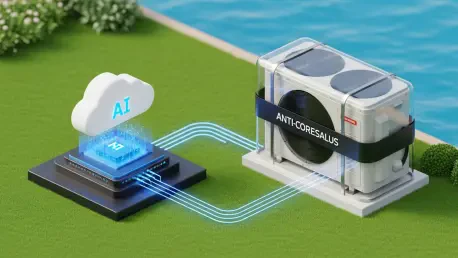
By utilizing advanced sensors and cloud-based analytics, AI can detect mechanical issues that are invisible to the naked eye or even the most experienced technician’s standard tools. For example, a slight change in compressor runtime patterns can signal an early-stage refrigerant leak, allowing a technician to intervene before the equipment is permanently damaged or the efficiency drops to an unusable level. This proactive approach not only improves system reliability but can also significantly lower monthly utility bills by ensuring the unit operates at its absolute peak efficiency at all times. The cloud-based nature of these systems means that data is constantly compared against thousands of other similar units in the region, allowing the AI to understand what “normal” looks like for a Clearwater home versus a home in a drier climate. This localized data processing ensures that the diagnostics are highly accurate and tailored to the specific environmental challenges of the region, providing a level of precision that was previously impossible.
Beyond simple automation, the Internet of Things (IoT) creates a networked ecosystem of cooling throughout the home that adapts to the lifestyle of the inhabitants. Wireless sensors distributed across different rooms monitor humidity levels and air quality in addition to temperature, feeding all this data back to a central controller that manages the entire building. This allows for precise climate control that adapts to the specific needs of each zone, ensuring that every corner of a Clearwater home remains comfortable and free of moisture-related issues like mold or mildew. These connected systems also provide a significant advantage for service technicians who can access diagnostic logs remotely. Often, a professional can diagnose a specific mechanical problem before they even arrive at the property, ensuring they show up with the exact parts needed for the job. This streamlined process reduces the number of service calls and minimizes the downtime that residents have to endure during a peak summer heatwave, turning a potentially multi-day repair into a single, efficient visit.
Coastal Engineering: Addressing Salt Air and Precision
Geography plays a major role in how technology is applied, particularly in coastal areas like Clearwater and nearby St. Petersburg where the environment is particularly harsh on machinery. Salt-laden air can quickly corrode outdoor units, leading to pitting in the coils and electrical failures that are difficult to diagnose without constant monitoring. AI-driven systems are especially useful here, as they can track electrical and coil efficiency over time to detect the early onset of corrosion or debris buildup on the outdoor condenser. Homeowners in these regions must also account for specialized anti-corrosive coatings and the unique structural challenges of older coastal buildings when upgrading to high-tech HVAC systems. The software can often compensate for minor efficiency losses by adjusting fan speeds or compressor cycles, extending the life of the equipment even in the face of the corrosive sea breeze. This marriage of physical protection and digital oversight is the only way to ensure long-term durability for homes located within a few miles of the Gulf.
Despite the advanced software, the quality of the physical installation remains the most critical factor for the overall success of any climate control strategy. Proper sizing is essential in Florida’s climate; an oversized system will cycle on and off too frequently, failing to remove humidity and leading to a clammy and uncomfortable indoor environment regardless of how “smart” the thermostat is. Modern contractors use digital load calculations and airflow modeling to ensure that every unit is perfectly calibrated for the specific square footage, window placement, and insulation levels of the individual home. As Clearwater moves toward a more sustainable and high-tech future, the role of emergency HVAC services is also evolving to meet these new standards. True 24/7 support is becoming more integrated with smart alerts, where a system can notify a service provider of a critical failure automatically, often before the homeowner even notices the temperature rising. This convergence of mechanical expertise and digital innovation provides residents with a level of security that was once a luxury reserved for commercial data centers.
Actionable Outcomes: Navigating the High-Tech Shift
Achieving optimal results with AI-driven HVAC systems necessitated a thorough audit of the home’s existing thermal envelope before any hardware was installed. Clearwater residents who successfully transitioned to these smart technologies often began by consulting with technicians who specialized in digital load calculations and airflow analysis. It was found that upgrading the physical infrastructure, such as improving attic insulation or sealing leaky ductwork, significantly amplified the efficiency gains provided by AI algorithms. Furthermore, selecting systems with open-architecture IoT capabilities allowed for better integration with other smart home devices, creating a more cohesive management strategy. The decision to invest in high-efficiency, inverter-driven units proved to be a critical step in maximizing the predictive capabilities of the software. Homeowners who documented their energy usage before and after the transition reported a substantial decrease in monthly overhead and a noticeable improvement in overall air quality. These practical measures ensured that the technological shift resulted in a tangible enhancement of the living environment.
Navigating the transition to intelligent climate control systems required a strategic approach that balanced initial costs against long-term operational savings. Local residents who prioritized high-fidelity sensor arrays achieved a superior balance of indoor air quality and energy conservation, effectively mitigating the rising costs of traditional climate control. It was essential for property owners to vet service providers based on their proficiency with digital diagnostics and their ability to interpret cloud-based performance data. This data-driven approach proved that integrating modern diagnostics was the most effective way to handle the unique environmental demands of the Florida coast. By focusing on these foundational elements, the community established a more resilient and sustainable approach to managing the Gulf Coast heat. The successful implementation of these systems ultimately relied on the synergy between advanced software and professional mechanical calibration, ensuring that the technology lived up to its promise of year-round comfort and reliability. Those who embraced this evolution found themselves better prepared for the unpredictable weather patterns and extreme temperatures that defined the regional climate.