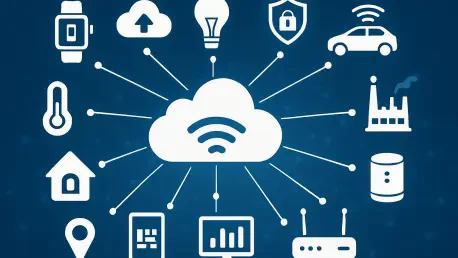

A significant shift in the technological landscape is occurring as physical objects gain the capacity to analyze and exchange information without human intervention. This transformation represents a departure from traditional computing, where the primary interface was between a person and a screen. Today, the dialogue happens between sensors, actuators, and cloud-based analytical engines that process millions of data points every second. This seamless integration allows environments to respond dynamically to real-time changes, such as a municipal water system adjusting flow rates based on leak detection sensors or a power grid redistributing load to prevent outages during peak demand. As the cost of semiconductor components continues to drop and wireless protocols like 6G begin to gain experimental traction, the density of connected devices per square mile has reached unprecedented levels. This proliferation is not merely about convenience but about creating a more resilient and efficient backbone for modern civilization.
Interconnected Ecosystems: Enhancing Efficiency Across Industrial and Urban Frontiers
The manufacturing sector has moved beyond the pilot phases of industrial connectivity to a state where machine-to-machine communication dictates the pace of production lines. By embedding high-precision vibration and thermal sensors into heavy machinery, facilities can now identify the exact moment a bearing or motor is likely to fail, weeks before a physical breakdown occurs. This predictive approach has effectively eliminated the concept of unscheduled downtime, which previously cost billions in lost productivity across the global market. Furthermore, the integration of digital twins—virtual replicas of physical assets—allows engineers to test various operational scenarios in a risk-free environment before applying them to the factory floor. These systems leverage edge computing to process time-sensitive data locally, ensuring that critical safety shutdowns or adjustments happen within milliseconds. This level of autonomy fosters an environment where precision is the default state.
This logic extends into the realm of public transportation and traffic management, where interconnected systems work to alleviate congestion and improve air quality. Adaptive traffic signal control systems now use real-time data from vehicle sensors and cameras to adjust light timings dynamically, reducing idle times at intersections by up to thirty percent in major metropolitan areas. Public transit authorities utilize similar data to optimize bus and rail schedules, ensuring that frequency matches actual passenger demand rather than static timetables. In addition to operational efficiency, these networks have become fundamental to public safety through the use of acoustic sensors that can detect and locate specific sounds like glass breaking or emergency sirens. This enables a much faster response from emergency services, as dispatchers receive immediate alerts without waiting for a manual phone call. The synthesis of these various data streams creates a cohesive urban environment that prioritizes residents.
The successful deployment of these vast networks required a rigorous focus on cybersecurity and standardized communication protocols. Organizations that prioritized the implementation of zero-trust architectures and robust encryption for all data at rest and in transit found themselves better protected against the evolving threat of cyberattacks. It was essential for leaders to establish clear data governance policies that defined ownership and usage rights, particularly when dealing with sensitive information gathered from public spaces. Moving forward, the emphasis shifted toward the development of more sustainable hardware, with a focus on energy-harvesting sensors that do not rely on traditional batteries. This transition reduced the environmental impact of maintaining billions of connected devices and simplified the logistics of long-term maintenance. Stakeholders who invested in comprehensive training programs for their staff ensured that the human element remained an effective part of the automated loop. These strategic steps turned the potential of connectivity into a reality.