
The role of the creator has transitioned from a manual maker to a director where the ability to describe vision with precision is a core skill. This shift from manual execution to strategic oversight defines the current landscape of digital media, as sophisticated generative platforms require a deep understanding of visual language to function effectively. Relying on basic keywords often results in generic or repetitive imagery that lacks the specific intent needed for professional environments. To elevate the output, creators must bridge the gap between abstract ideas and technical execution by providing detailed textual instructions that mirror a professional creative brief. This process involves a meticulous selection of subjects, environmental contexts, and stylistic markers that guide the AI through a structured visual hierarchy. Consequently, the quality of an AI-generated image is no longer a matter of chance but a direct reflection of the descriptive depth and linguistic precision provided by the user in the prompt.
Mastering Human Subjects and Visual Storytelling
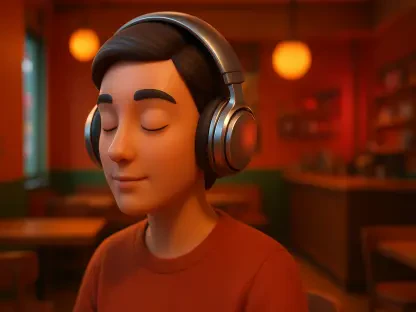
Achieving hyper-realistic portraiture is a hallmark of advanced prompt engineering, requiring a departure from the “uncanny valley” often seen in basic AI generations. Creators must move beyond simple descriptions and focus on granular details such as micro-textures of the skin, the moisture level in the eyes, and the subtle nuances of facial expressions to produce lifelike results. By incorporating photography-specific terminology, such as specifying a “portrait-lens look” or a “softly blurred background,” the user can direct the AI to emulate the optical characteristics of high-end camera equipment. This technical layering ensures that the generated subject possesses a sense of presence and authenticity that resonates with viewers. Furthermore, specifying lighting conditions like “natural window light” or “Rembrandt lighting” adds a dimension of realism that transforms a standard rendering into a professional-grade portrait. This level of control allows for the creation of human subjects that are indistinguishable from traditional photography.
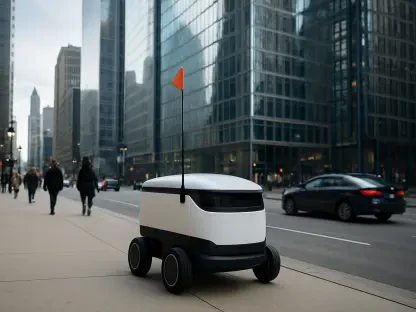
Building on the foundation of realistic subjects, cinematic prompts enable the construction of immersive narratives within a single, static frame. This approach focuses on establishing an atmospheric depth through the use of moody color palettes, dramatic side lighting, and environmental factors such as mist, rain, or reflections on urban surfaces. The goal is to move the AI beyond simple object placement and toward the creation of a visual story where the interaction between the subject and the surroundings feels deliberate and evocative. For instance, requesting a “neon-lit street scene with high-contrast shadows” forces the model to calculate how light interacts with different materials and depths. By treating the canvas as a movie still, creators can influence the emotional weight of the image, using composition and color grading to guide the viewer’s eye through a complex scene. This narrative-driven strategy elevates AI generation from a mere novelty into a powerful tool for visual storytelling, allowing for the visualization of high-budget cinematic concepts.
Professional Aesthetics for Branding and Products
In the commercial sector, the precision offered by advanced prompt engineering is essential for producing high-quality marketing assets and product photography. The focus here shifts toward the accurate representation of material textures, such as the specific sheen of polished plastic, the grain of brushed metal, or the softness of fabric under controlled studio lighting. By describing the relationship between the product and its environment, such as placing an item on a “minimalist marble pedestal with soft top-down lighting,” designers can achieve a level of realism that rivals traditional commercial shoots. This meticulous approach ensures that the resulting image aligns perfectly with a brand’s visual identity, maintaining consistency across various product lines. Moreover, the ability to control technical aspects like “depth of field” and “white balance” through text allows for the creation of clean, professional visuals that are ready for immediate use in catalogs, e-commerce listings, or high-end advertising campaigns.
Beyond specific product shots, lifestyle and social media imagery benefit from a focus on an “editorial” aesthetic that prioritizes warmth and naturalism. This style of prompting emphasizes neutral tones, soft morning light, and uncluttered compositions to create a sense of authenticity that is often missing from AI-generated content. By specifying a “natural color grade” and “organic textures,” creators can ensure their visuals blend seamlessly with hand-shot photography, which is crucial for maintaining a cohesive brand voice on platforms like Instagram or Pinterest. A strategic element of this approach is the intentional use of negative space, where the prompt directs the AI to leave room for future marketing copy, logos, or call-to-action buttons. This foresight transforms a beautiful image into a functional business asset, demonstrating how prompt engineering can bridge the gap between artistic expression and practical utility. By mastering these nuances, brands can scale their content production without sacrificing the unique aesthetic that defines their market presence.
Technical Precision: The Evolution of Creative Direction
The final stage of elevating AI output involves the integration of industry-standard technical terms and the strategic use of negative prompting to refine the results. Utilizing vocabulary such as “bokeh,” “golden hour,” or “anamorphic lens flare” provides the AI with specific instructions on how to handle light and perspective, leading to a more polished and professional final product. Simultaneously, negative prompting serves as a critical quality control mechanism by explicitly excluding unwanted elements like watermarks, distorted shapes, or excessive saturation. This dual-pronged strategy ensures that the generated visuals are free from common AI artifacts, resulting in a cleaner and more sophisticated aesthetic. As the models become more responsive to these technical nuances, the barrier between professional photography and AI-generated art continues to dissolve. By refining the language used to describe the desired outcome, creators can exercise a level of control that was previously only possible through manual editing or expensive studio setups.
The evolution of prompt engineering demonstrated that the most significant advancements in AI image generation came not just from the software, but from the humans directing it. It was observed that those who integrated technical photography concepts and narrative depth into their textual instructions achieved a superior standard of visual quality. Moving forward, the focus shifted toward developing a standardized vocabulary that allowed for consistent results across different generative platforms. Professionals recognized that the true value of these tools resided in their ability to serve as a bridge between high-level concepts and tangible marketing assets. Consequently, the role of the creator solidified as a visionary director who possessed the linguistic skill to navigate complex algorithmic landscapes. This transition ensured that the creative process remained centered on human intent while leveraging the immense speed and versatility of artificial intelligence. By adopting these strategic prompting frameworks, creators successfully unlocked new levels of visual precision and commercial relevance.