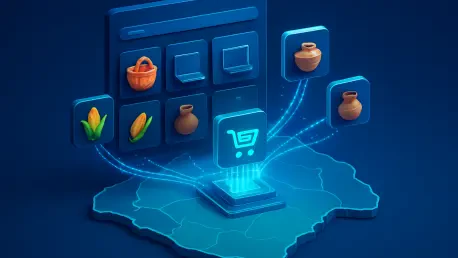

The Eswatini Post and Telecommunications Corporation serves as the critical logistics backbone, ensuring that digital transactions result in efficient physical product delivery. This essential role became even more prominent on September 3, 2026, with the official debut of Buy Eswatini 2.0 during the 58th Eswatini International Trade Fair. Developed by the Eswatini Investment Promotion Authority (EIPA), this digital marketplace represents a landmark shift in the Kingdom’s approach to economic modernization. By bridging the gap between local producers and global consumers, the platform offers a centralized hub that democratizes market access for everyone from large-scale manufacturers to small-scale artisans. Early data suggests the platform has already gained significant traction; before the official ceremony, the site had onboarded 150 brands and featured over 580 distinct products. This high level of engagement underscores a collective eagerness to embrace the convenience of online commerce and digitalized trade.
A National Foundation for E-Commerce
Step 1: Transitioning from Pilot Project to Strategic Infrastructure
The movement from the initial pilot version to the current Buy Eswatini 2.0 implementation represents a fundamental shift in the country’s economic strategy, moving beyond temporary exhibitions to a permanent national asset. Previously, digital trade efforts were often tied to specific events, serving as ephemeral tools for showcasing goods rather than sustainable engines of growth. Now, under the direct management of the EIPA, the marketplace functions as a persistent infrastructure that operates regardless of the season. This transition ensures that the visibility of local brands is not limited by the calendar, allowing for continuous revenue streams and better business planning. By establishing a permanent digital presence, the government has created a reliable foundation for business growth and consumer trust. This stability allows entrepreneurs to plan their production cycles more effectively, knowing they have a constant channel to reach their customers year-round.
Step 2: Technical Synergy and Collaborative Ecosystems
A sophisticated ecosystem of partnerships supports the technical reliability of this new digital marketplace, creating a seamless experience for both buyers and sellers. The development phase benefited greatly from technical expertise provided by Taiwan, ensuring that the platform meets international standards for security and user interface design. On the domestic front, the integration of MTN Eswatini’s MoMo Pay has been a game-changer, allowing individuals without traditional bank accounts to participate in digital commerce securely. This “end-to-end” approach removes the friction points that often derail e-commerce initiatives in developing markets. By combining high-level international technology with accessible local payment and logistics solutions, the platform provides a comprehensive environment. Consequently, local business owners can focus on refining their product offerings and marketing strategies instead of struggling with technical hurdles.
Economic Empowerment and Growth
Part 1: Inclusive Trade and Market Access for All Citizens
A core objective of Buy Eswatini 2.0 is the economic empowerment of Micro, Small, and Medium Enterprises (MSMEs), which have traditionally struggled to reach customers outside their immediate areas. The platform levels the playing field by providing a professional digital storefront for diverse groups, including women, youth, and persons with disabilities. By removing the geographical barriers inherent in physical retail, the initiative fosters an inclusive economy where any citizen with a quality product can participate in the national and regional market. This democratization of trade is vital for driving broader prosperity and reducing economic inequality across the kingdom. As more small businesses join the platform, the variety of products available increases, which in turn attracts more domestic and international shoppers. This virtuous cycle of growth helps to build a more dynamic economy that reflects the cultural and industrial diversity of Eswatini.
Part 2: Raising Standards for Global Competitiveness
While the government provides the digital tools, the long-term success of the initiative depends on the professionalism and reliability demonstrated by the sellers on the platform. Business owners are encouraged to maintain high standards of quality control, timely fulfillment, and exceptional customer service to build lasting trust with online shoppers. This focus on professional rigor is intended to elevate the “Made in Eswatini” brand, positioning local products as competitive options in the global digital economy. By adhering to international best practices, local entrepreneurs can better compete with established global brands, opening doors for future international expansion. The emphasis on quality also serves to protect the reputation of the platform itself, ensuring that first-time buyers become repeat customers. As the digital marketplace evolves, the ongoing education of sellers regarding digital marketing remains a priority to ensure they capitalize on the environment.
Part 3: Future Outlook and Strategic Implementation
The implementation of Buy Eswatini 2.0 successfully established a framework that allowed the Kingdom to pivot toward a more modern and resilient economic model. By integrating logistics, payments, and marketing into a single digital hub, the EIPA provided a clear path for businesses to adapt to the changing global landscape. Leaders and stakeholders recognized that the initial launch was merely the first step in a broader digital transformation journey. Actionable insights gained during the pilot phase were used to refine the user interface and improve the seller onboarding process, ensuring that the platform remained user-friendly. Moving forward, the focus shifted toward expanding the platform’s reach into regional markets through the African Continental Free Trade Area. This proactive approach prepared local businesses for greater competition and higher demand on an international scale. Ultimately, the initiative demonstrated that investment in digital infrastructure fostered sustainable growth.