
The once-ubiquitous jingle of a metal keychain has increasingly become a relic of the past as the smartphone consolidates every aspect of modern life into a single, pocket-sized command center. Since the initial integration within Android 12, Google has refined a digital car key ecosystem that allows users to leave physical fobs behind, favoring a software-driven approach stored securely in the Google Wallet. This evolution reflects a broader trend toward the software-defined vehicle, where the boundary between personal electronics and automotive hardware begins to blur significantly. Far from being a niche luxury feature, this technology is built upon the unified standards of the Car Connectivity Consortium, an international body that includes major industry players like Apple, Samsung, and BMW. By adhering to these global protocols, manufacturers ensure that the digital handshake between a phone and a car remains consistent and safe, fostering an environment where innovation thrives on interoperability.
Technical Foundations: The Triple Threat of Connectivity Technologies
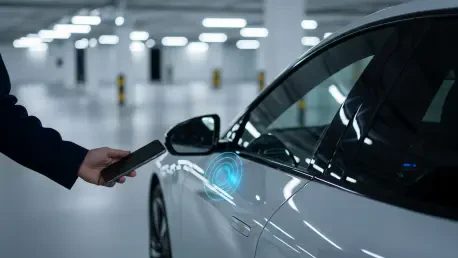
The operational success of digital car keys relies on a sophisticated orchestration of three primary radio technologies, each serving a unique role in the authentication process. Near Field Communication (NFC) provides the foundational layer, allowing for short-range communication that facilitates tap-to-unlock functionality even when a device’s battery is critically low. While NFC requires close proximity, Bluetooth Low Energy expands this range by detecting the driver’s approach, initiating welcome lighting or pre-conditioning the cabin before they even reach the door handle. However, the most transformative element is Ultra-Wideband (UWB) technology, which acts like a high-frequency radar system to determine the smartphone’s exact location within centimeters. This spatial awareness is vital for security, as it ensures the vehicle will only engage the ignition when the device is confirmed to be inside the passenger cabin, effectively preventing accidental starts.
Beyond simple convenience, the transition to digital keys addresses the long-standing vulnerabilities associated with traditional wireless fobs that were often susceptible to relay attacks. Modern digital keys leverage the smartphone’s dedicated secure element, a hardware-isolated chip designed to store sensitive cryptographic keys and perform secure operations away from the main operating system. This architecture ensures that even if the primary software is compromised, the vehicle’s digital credentials remain unreachable by malicious actors. Furthermore, the high-precision timing of Ultra-Wideband signals makes it impossible for thieves to trick the car into thinking a key is nearby through signal boosters. By integrating biometric authentication—such as fingerprint scanning—the system demands a secondary layer of proof that the authorized user is indeed the one requesting access, a standard that mechanical keys or basic fobs simply cannot match.
Market Expansion: Broadening the Ecosystem of Compatible Hardware
The widespread adoption of this technology is currently driven by a rapidly expanding list of compatible hardware, moving from high-end flagship devices to more mainstream mobile options. Owners of recent Google Pixel, Samsung Galaxy, and OnePlus devices have been at the forefront of this shift, utilizing the integrated UWB and NFC chips required for the full suite of keyless features. On the automotive side, the landscape has evolved from a few luxury partnerships with brands like BMW to a much more inclusive market that now features models from Kia, Hyundai, and Genesis. This trickle-down effect demonstrates that digital access is becoming a standard expectation for modern consumers rather than an optional gimmick for the elite. As more manufacturers join the Car Connectivity Consortium, the barrier to entry continues to lower, making it increasingly common for family SUVs to come equipped with these robust digital security frameworks by default.
One of the most profound advantages of a digital key ecosystem is the radical simplification of vehicle access sharing among family members, friends, or even service professionals. Instead of the logistical hurdle of physically handing over a spare set of keys, owners can now generate a secure digital token and send it via encrypted messaging services like Google Messages. This process is remarkably flexible, allowing the primary owner to set specific permissions, such as time-limited access or restricted speed limits for younger drivers. Perhaps the most significant milestone in this progress is the cross-platform interoperability that has been established between major operating systems. Android users can now share access with those on iOS without friction, ensuring that a mixed-technology household is never locked out of their shared vehicle. This level of cooperation between tech rivals underscores the importance of global standards that prioritize safety.
Risk Mitigation: Strategic Security and Contingency Management
While the benefits of a phone-centric lifestyle are undeniable, the transition does introduce unique dependencies on device health and software stability that require careful management. Relying solely on a smartphone means that a dead battery or a sudden software glitch could potentially leave a driver stranded without a traditional backup. To mitigate these risks, industry experts recommend a hybrid approach where owners maintain a physical NFC key card or a traditional mechanical fob as a secondary safety measure stored in a wallet or bag. It is also essential for users to familiarize themselves with their device’s power-reserve features, which often allow basic NFC functions to remain active for several hours after the phone has powered down. Maintaining an awareness of these technical nuances ensures that the transition to a digital lifestyle is seamless and that the convenience of keyless entry does not become a liability during unexpected hardware failures.
Security in the digital age requires a proactive mindset, particularly when it comes to the centralized management of vehicle credentials across various connected platforms. In the event that a smartphone is lost or stolen, the digital key infrastructure provides tools that are far more powerful than any traditional security measure. Through services like Find My Device, owners can remotely lock their phone and instantly revoke all digital car keys, rendering the stolen hardware useless for vehicle access or operation. This instantaneous response capability provides peace of mind that was previously impossible when a physical key was lost and the only solution was to replace the car’s entire lock cylinder. Furthermore, regularly updating the phone’s operating system ensures that the latest security patches are in place to defend against evolving cyber threats. Staying informed about these remote management capabilities is essential for maintaining a secure automotive experience.
Future Readiness: Establishing a Resilient Digital Ownership Model
The integration of digital keys into the mobile ecosystem transformed the way individuals interacted with their vehicles, shifting the focus from physical possession to secure digital identity. As the technology matured, it became clear that the most successful users were those who treated their digital credentials with the same rigor as their financial information. They prioritized the setup of biometric locks and took the time to configure redundant access methods, such as thin NFC cards that fit easily into a wallet. It was established that keeping both the vehicle’s infotainment system and the smartphone’s software updated was the most effective defense against emerging vulnerabilities. By embracing these best practices, drivers ensured that the convenience of modern connectivity was always balanced by a robust and proactive approach to personal security. These habits formed the basis of a new era of ownership, where safety was built on advanced hardware and disciplined behavior.
Users who maximized their vehicle security focused on precise management of digital permissions and sharing protocols. It was a common practice to set expiration dates for guest keys provided to valets or family members, ensuring that access was automatically revoked after a specific period. This prevented the long-term accumulation of ‘zombie’ keys that could be exploited if a secondary device was compromised. Additionally, drivers made a habit of testing their remote revocation tools through the Find My Device interface to ensure they could react instantly in an emergency. The shift toward software-based security also required a new understanding of environmental factors, such as keeping devices shielded from extreme heat to preserve battery life for key functions. These strategic steps ensured that the digital transition was not merely a change in convenience, but a substantial upgrade in the overall safety and control owners maintained over their automotive assets.