
Sophisticated social engineering attacks bypass traditional security because the account holder voluntarily provides the necessary codes while being monitored by a fraudster. In response to this growing threat, the release of iOS 27 introduced a proactive security measure known as Impersonation Risk Detection. This feature is specifically designed to identify the psychological cues and behavioral anomalies that occur when a user is being manipulated in real-time by a malicious actor. Unlike standard biometric or password-based protections, this system evaluates the context of an interaction to determine if a user might be acting under duress or external coaching. As these types of scams become more prevalent in 2026, the need for a device-level intelligence that can distinguish between a legitimate action and one coerced by a fraudster has become paramount. This technology represents a shift from purely technical authentication toward a more holistic, behavioral approach to digital safety. By integrating this intelligence directly into the system architecture, the device attempts to bridge the gap between technical security and human exploitation during high-stakes digital interactions.
1. Behavioral Telemetry: The Science of Risk Assessment
The technical foundation of this risk detection system relies on an intricate analysis of on-device telemetry and user interaction dynamics. When a compatible application initiates a risk check, the iPhone examines a variety of non-intrusive data points to construct a situational profile. This includes monitoring the cadence of touch inputs, the sequence of navigation within the app, and specific sensor readings that can indicate whether a device is being held in a manner consistent with a standard user experience or a coached session. Apple has maintained a strict commitment to privacy throughout this implementation, ensuring that the system never accesses or analyzes the specific content of a user’s private messages, emails, or personal photos. Instead, the focus remains entirely on the metadata of the interaction and the physical context of the device. This approach allows the operating system to detect the shape of a high-stress scam without compromising user confidentiality or requiring cloud-based processing of sensitive information.
Once the behavioral analysis is complete, the system generates a simplified risk score that is shared with the third-party application to guide its next steps. This score is delivered in three distinct categories: Unknown, Medium, and High, ensuring that the app developer never receives the underlying raw data used for the assessment. An Unknown rating indicates that no suspicious patterns were found, though it is not an absolute confirmation of safety; it merely suggests a lack of detectable anomalies at that specific moment. A Medium rating highlights potential signs of a social engineering attempt, while a High rating serves as a critical warning of likely fraudulent influence. The power of this feature lies in how the application responds to these ratings, as the developers are responsible for implementing the actual security interventions. For instance, a financial institution might choose to block a transfer immediately if a High risk score is returned, or it may trigger a secondary manual verification process.
2. System Integration: How to Enable the Feature
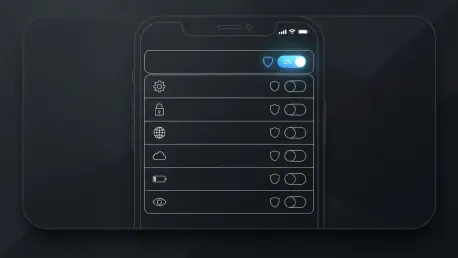
Activating the Impersonation Risk Detection requires a few specific steps within the system settings, as the feature is not enabled by default to maintain user choice over data sharing. Users must navigate to the Privacy and Security section within the Settings app and locate the specialized sub-menu for risk detection. Within this interface, the primary toggle labeled Share with App Developers must be engaged to allow the iPhone to communicate risk levels to supported software. It is important to ensure that the device is signed into a valid Apple Account through the App Store, as this serves as a prerequisite for the feature to function correctly. Once the main setting is active, the system provides a detailed overview of which applications have requested a risk assessment through the Recent Activity log. This transparency allows users to monitor exactly which services are utilizing the behavioral intelligence and for what purposes, such as authorizing a new device or modifying high-level account permissions.
The deployment of this behavioral intelligence offered a proactive solution to the problem of human-centered security failures in the digital age. By integrating context-aware risk scores into the payment and authentication workflow, the technology successfully mitigated the impact of high-pressure social engineering scams. Users were encouraged to review their application permissions regularly and to verify that the Share with App Developers setting remained active for all essential financial services. Financial experts emphasized that the 24-hour delay in setting changes served as a critical barrier against fraudsters attempting to bypass these defenses. Moving forward, the effectiveness of the system was maximized when users remained aware of the tactics used by scammers and treated any instruction to disable security features as a major red flag. This transition toward a more resilient digital environment proved that combining user vigilance with advanced behavioral analysis could significantly reduce the success rate of complex impersonation attacks.