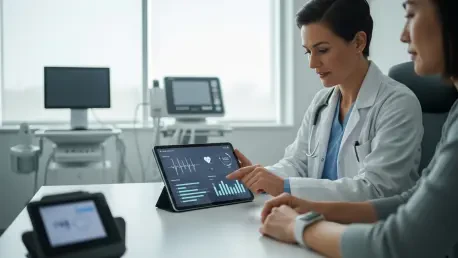

The transition from simple pedometers to sophisticated biometric monitors has fundamentally altered how individuals perceive their daily physical health and long-term wellness trajectories. In recent years, the market has expanded to include devices that measure everything from skin temperature to peripheral oxygen saturation and heart rate variability. These advancements lead many consumers to believe they are carrying a miniature diagnostic laboratory on their wrists, capable of providing real-time medical insights. However, a significant discrepancy remains between the marketing narratives surrounding these gadgets and their actual utility within a clinical framework. While the wealth of data generated can be overwhelming, the true value lies in identifying subtle shifts in an individual’s established baseline rather than serving as a definitive source for a medical diagnosis. Clinicians emphasize that while this technology is increasingly impressive, it functions best as a supplemental tool rather than a replacement for specialized medical equipment.
Validating Medical Utility: Heart Rhythm Monitoring
The most documented success in the realm of wearable technology involves the detection of atrial fibrillation, a condition characterized by an irregular heart rhythm. Clinical research has consistently demonstrated that when a modern smartwatch alerts a user to an irregular pulse, the device is accurate approximately 84 percent of the time. This particular metric holds genuine clinical weight because heart rhythms possess distinct physiological signatures that high-quality optical sensors can identify with remarkable reliability. This capability allows individuals to seek medical intervention much earlier than they might have if they waited for physical symptoms to manifest. By providing a continuous stream of heart rate data, these devices offer a unique perspective on cardiovascular health that was previously impossible to achieve outside of a laboratory environment. Consequently, these alerts have become a vital component of early intervention strategies, helping to prevent more serious complications such as strokes through timely professional consultation.
Beyond specific cardiac alerts, the true strength of modern wearables lies in their ability to monitor lifestyle trends and general activity levels over extended periods. Physicians increasingly utilize data regarding daily step counts and total sleep duration to construct a comprehensive picture of a patient’s overall physical activity and recovery. By establishing a consistent baseline during normal daily routines, these devices allow medical professionals to observe how a patient functions in their actual environment, rather than relying solely on the snapshots provided during brief and infrequent office visits. This longitudinal data helps in identifying gradual declines in mobility or sudden shifts in resting heart rate that might indicate underlying health issues. Furthermore, having access to months of objective activity data empowers patients to participate more actively in their own healthcare decisions. This shift towards data-driven wellness encourages a more proactive approach to health management, bridging the gap between clinical observation and daily life.
Addressing the Accuracy Gap: The Limits of Consumer Sensors
While heart rate monitoring has reached a high level of reliability, other popular features of consumer wearables often fall short of the precision required for clinical decision-making. Medical professionals frequently express skepticism regarding the accuracy of sleep stage tracking, such as the differentiation between light, deep, and REM sleep phases. Similarly, the estimation of caloric expenditure is often viewed as a sophisticated guess rather than a precise measurement. These limitations arise because consumer-grade sensors rely on generalized motion and heart rate data rather than the direct metabolic or neurological monitoring techniques used in hospital sleep studies or metabolic labs. For the average user, these metrics can serve as broad indicators of lifestyle changes, but they should not be treated as absolute medical truths. Relying too heavily on inaccurate sleep or calorie data can lead to unnecessary anxiety or misguided lifestyle adjustments. Therefore, it remains essential to view these specific figures with a degree of critical caution.
A significant barrier to the formal integration of wearable data into the healthcare system is the prevalence of proprietary algorithms that generate readiness or recovery scores. These metrics are often presented as a single, easy-to-understand number, but the underlying logic and raw data utilized to calculate them remain closely guarded corporate secrets. Because healthcare providers cannot audit the mathematics or the specific data points behind these scores, it is impossible for them to rely on such metrics for clinical assessments. This lack of transparency creates a black box effect where the device provides a conclusion without a verifiable clinical pathway. Furthermore, different brands may use entirely different criteria for the same metric, leading to inconsistent results across different devices. Until there is a move toward standardized, transparent reporting methods, these composite scores will likely remain a tool for personal motivation rather than a recognized component of a professional medical evaluation or a formal treatment plan.
Integrating Predictive Analytics: The Role of Artificial Intelligence
The current frontier for wearable technology involves pre-symptomatic detection, which seeks to identify illnesses like the flu or viral infections before physical symptoms are noticed. By analyzing subtle variations in resting heart rate and minute changes in skin temperature, artificial intelligence can detect the body’s early inflammatory response to a pathogen. While the hardware does not identify the specific virus involved, the ability to recognize that the body is fighting an internal battle provides a critical window for early action. Users who receive these early warning signs might choose to test for illness or isolate themselves sooner, potentially curbing the spread of infectious diseases within their communities. This predictive capability represents a shift from reactive care to a proactive model of health surveillance. However, the success of this approach depends heavily on the user’s ability to interpret these warnings correctly and the quality of the AI models processing the physiological data, which must be refined to reduce false positives.
It was observed that the integration of artificial intelligence and wearable sensors offered a powerful tool for health awareness, though it necessitated a cautious approach to self-diagnosis. To maximize the benefits of this technology, users were encouraged to focus on long-term trends rather than daily fluctuations in their metrics. Healthcare experts recommended that patients discussed their wearable data with physicians to contextualize the numbers within their broader medical history. This collaborative approach ensured that the insights provided by AI were tempered by professional clinical judgment. Moving forward, the industry prioritized the development of more transparent data standards to allow for better synchronization between consumer devices and electronic health records. It was also determined that educational initiatives were vital for helping the public understand the difference between wellness tracking and diagnostic testing. By establishing these boundaries, the medical community successfully leveraged wearable technology as an early warning system.