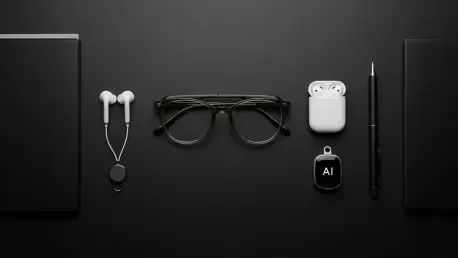

The rapid transition from hand-held screens to face-worn devices marks a pivotal shift in how the modern consumer interacts with the vast digital ecosystem. Current market trends indicate a strategic pivot toward discreet hardware that prioritizes voice and vision-centric user experiences over traditional touch interfaces.
Apple’s integration of intelligence into daily accessories aims to counter competitive pressure from existing smart glass initiatives. This movement signifies a departure from the smartphone-centric model toward a more natural, ambient interaction.
The Evolution of Ambient Computing and the Wearable Technology Landscape
The wearable market is currently undergoing a transformation where hardware becomes nearly invisible. This shift emphasizes voice-first interactions and vision-based analysis to reduce reliance on physical displays.
Moreover, the significance of embedding intelligence into daily-wear items cannot be overstated. By focusing on accessories, the industry moves closer to a world where digital assistance is always present but never intrusive.
Emerging Frontiers in Vision-Based AI and Market Projections
Technological Convergence of Computer Vision and Generative AI
Advanced system updates are set to redefine environmental analysis by leveraging sophisticated computer vision. Infrared-equipped AirPods and wearable pendants work together to create a holistic ecosystem that perceives the world alongside the user.
Consumer behavior is already shifting toward hands-free digital interaction and contextual assistance. This allows for a more immersive experience that blends digital data with physical reality.
Growth Forecasts for the Next Generation of Smart Accessories
Projections for the launch window ending in 2027 indicate a robust market reception for high-end smart accessories. Data suggests that the expansion of the Pro wearable segment will drive significant revenue growth across the consumer tech sector.
Long-term performance indicators favor AI-integrated fashion over traditional electronics. Premium hardware is positioned to become an essential component of the modern wardrobe.
Technical Barriers and the Complexity of Miniaturizing Intelligence
Engineering cameras and processors into slim acetate frames requires overcoming intense thermal efficiency hurdles. Balancing high performance with a lightweight design is necessary to avoid the bulky aesthetic seen in earlier wearable prototypes.
Furthermore, success hinges on managing battery life within these restricted form factors. Miniaturization remains the primary challenge for maintaining a fashion-forward look without sacrificing processing power.
Navigating Privacy Standards and the Regulatory Environment
Always-on sensors must navigate a complex web of global privacy regulations and international standards. On-device processing serves as a critical strategy for ensuring data security and maintaining user trust in sensitive environments.
Transparency measures like bystander notifications are essential for social acceptance. Compliance with biometric data laws will determine the long-term viability of visual recording hardware in public spaces.
The Future of Fashion-First Technology and Industry Disruption
The roadmap for hardware suggests a transition from bulky headsets to streamlined, functional ambient devices. The goal is to transform these gadgets into fashion staples that rival traditional eyewear in both style and comfort.
Wearable AI pendants represent a potential disruptor to the existing mobile hardware model. This evolution points toward an autonomous assistant that functions independently of a central smartphone.
Redefining the Human-Machine Interface Through Smart Wearables
The trajectory toward a unified hardware ecosystem successfully established a new standard for personal computing. Stakeholders observed how the convergence of premium aesthetics and functional utility redirected industry growth.
The shift toward ubiquitous intelligence provided a clear path for future innovation. Recommendations for market participants focused on the importance of blending high-end design with practical AI applications.