
Oscar Vail is a distinguished technology expert whose work sits at the intersection of emerging hardware and the ethical implications of the digital age. With a background that spans the intricacies of robotics and the expansive potential of open-source ecosystems, he has become a leading voice in evaluating how wearable technology transitions from niche gadgets to everyday essentials. In this discussion, we explore the shifting landscape of smart eyewear, focusing on the design philosophy behind in-house manufacturing, the technical challenges of display-less interfaces, and the critical privacy concerns that arise when cameras become a permanent fixture on our faces. We also delve into how brand ecosystems dictate consumer adoption and what the roadmap looks like for these devices to eventually surpass the smartphone.
Many tech companies are opting for acetate frames and in-house designs rather than partnering with established eyewear manufacturers. How do these material choices impact the long-term durability and the perception of premium hardware, and what logistical challenges arise when a tech firm manages its own optical fashion line?
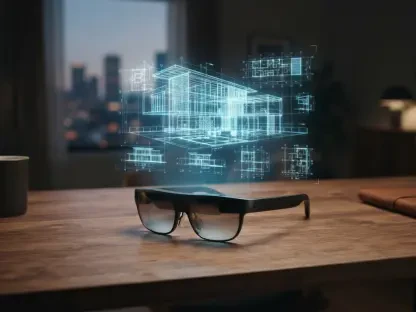
The decision to utilize acetate over standard plastics is a calculated move to ensure these devices feel like high-end accessories rather than disposable electronics. Acetate offers a rich, deep luster and a weightiness that consumers associate with premium brands, which is why seeing it used in the four upcoming test designs—Wayfarer, Rectangular, and two sizes of Oval—is so significant. When a company avoids a partnership with a titan like EssilorLuxottica, they gain total creative control but inherit the massive burden of managing a fashion supply chain. They have to oversee the precision of frame geometries and the tactile quality of finishes like Ocean Blue or Light Brown without the safety net of an experienced eyewear partner. This DIY approach allows for a tighter integration of the hardware within the frame, but it requires a flawless execution to convince a fashion-conscious public to wear a computer on their nose.
Initial smart glasses models often omit integrated displays, focusing instead on cameras, speakers, and deep ecosystem integration. What are the technical trade-offs of launching a display-less wearable, and how must a digital voice assistant evolve to effectively compensate for the total lack of visual feedback?
Launching a pair of smart glasses without a display, as we expect to see next year, drastically reduces power consumption and heat, allowing for a much slimmer and more comfortable profile. However, this shifts the entire burden of interaction onto audio and artificial intelligence, making the success of the device entirely dependent on a revamped digital assistant like Siri. Without a screen to show notifications, the AI must become contextually aware enough to whisper the right information at the right time without being intrusive. We’ve seen this work in other ecosystems where the AI becomes an intuitive part of daily life, but it requires a “walled garden” approach where your glasses, phone, and watch are in constant, seamless communication. This display-less phase is essentially a massive test run to see if consumers are ready to rely on their ears and voices before more complex AR displays are introduced later.
Concerns have surfaced regarding smart glasses sharing intimate recordings and photos with human reviewers for AI training purposes. In an era of constant connectivity, how can manufacturers restore consumer trust, and what specific privacy protocols are necessary when cameras and microphones are worn on the face daily?
The recent revelations that intimate moments captured by smart glasses are being reviewed by human workers in other countries have dealt a massive blow to consumer trust. For these devices to truly go mainstream, manufacturers must move beyond vague terms of service that hide manual review clauses behind technical jargon. We need hardware-level privacy indicators, such as bright, non-bypassable LEDs that signal when a camera is active, and robust on-device processing to ensure that sensitive data never leaves the local storage. It is morally unsettling to think that a worker, who might not even be allowed to bring their own phone into their workplace for security reasons, is analyzing your private life to train a model. To win back the public, tech giants must prove that their privacy protocols are not just marketing slogans but are baked into the silicon of the device itself.
While some companies have a decade of experience in virtual reality, others rely on a loyal user base and hardware aesthetics to enter the wearable market. How does brand loyalty influence the adoption of emerging tech, and what milestones must be reached before smart glasses can realistically replace smartphones?
Brand loyalty acts as a powerful buffer against the “first-generation” jitters that often plague new tech categories, allowing companies to release experimental products like the Vision Pro while they refine the ultimate form factor. Even if a first attempt isn’t a massive commercial success, a loyal user base provides the necessary data and feedback to iterate toward a more polished version. For smart glasses to actually replace the smartphone, they need to bridge the gap between simple audio-visual recording and true augmented reality with 2D or 3D displays. This transition will require a monumental leap in battery density and thermal management, as the goal is to pack the power of a mobile computer into a frame that weighs no more than a standard pair of spectacles. Once we reach the milestone of “all-day wearability” combined with a transparent AR interface, the incentive to pull a slab of glass out of your pocket will quickly vanish.
Most upcoming wearables are being tested in various shapes, such as wayfarer or oval, to appeal to broader demographics. Beyond aesthetics, how do different frame geometries affect the placement of internal components like batteries and sensors, and what are the practical implications for the user’s daily comfort?
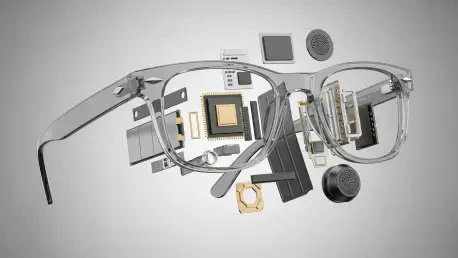
The geometry of a frame is a grueling puzzle for engineers because every millimeter of interior space must be fought for to house batteries, microphones, and speakers. A Wayfarer style, with its thicker temples, offers a much more forgiving volume for housing long, thin battery cells compared to a Small Oval frame which requires extreme miniaturization. This creates a direct trade-off: a more stylish, delicate frame might result in shorter battery life or less powerful speakers, which directly impacts the user’s daily experience. Furthermore, the weight distribution across the bridge of the nose and the ears is critical; if the sensors in the front are too heavy, the glasses will constantly slide down, ruining the “smart” experience. Testing four different shapes shows that the industry is still searching for the perfect balance between internal component volume and the ergonomic comfort required for twelve hours of continuous wear.
What is your forecast for the future of smart glasses?
I believe we are on the precipice of a major cultural shift where smart glasses will gradually move from being a smartphone accessory to the primary hub of our digital lives. Within the next few years, as we move beyond simple frames and incorporate 2D displays, the “walled garden” ecosystems will become even more locked-in, making it almost impossible to switch brands once you’ve integrated your vision and hearing into one platform. While current models are focusing on getting the fashion and the AI right, the long-term winners will be the companies that can solve the privacy paradox and make the user feel secure. My forecast is that by the end of this decade, walking down the street with a pair of acetate smart glasses will be as common as wearing wireless earbuds is today, effectively rendering the traditional handheld phone a secondary device for heavy lifting.