
For nearly two decades, the tech industry has revolved around a singular, high-stakes calendar event that dictates the rhythm of consumer spending and global manufacturing every September. This ritualistic unveiling of new hardware has defined the smartphone era, yet recent reports suggest that Apple is finally ready to dismantle this tradition in favor of a more calculated, fragmented approach. By shifting the iPhone 18 series into a bi-annual release cycle, the company is not merely adjusting a date on a calendar but is fundamentally re-engineering the relationship between its premium and entry-level offerings. This transition signals a maturation of the mobile market, where the necessity of a massive, all-encompassing launch event is outweighed by the strategic benefits of sustained market attention and logistical precision. Such a pivot reflects a broader industry trend toward continuous engagement rather than seasonal spikes, forcing competitors and consumers alike to reconsider the lifecycle of modern mobile technology as we enter 2026.
Transitioning to a Two-Phase Global Launch
Under this revised operational framework, the upcoming iPhone 18 product family will be split into two distinct tiers that prioritize technological prestige and market exclusivity for the most expensive models. The high-end devices, including the iPhone 18 Pro, the larger Pro Max, and the highly anticipated foldable iPhone Ultra, are slated to retain the iconic fall release window in September 2026. This decision ensures that the most dedicated enthusiasts and professionals have immediate access to the latest silicon advancements and camera innovations without any delay. By isolating the most expensive hardware, Apple creates a clear runway for its flagship features to take center stage, unobstructed by the noise of more budget-friendly alternatives. This separation allows the narrative of the fall launch to focus entirely on luxury and performance, reinforcing the Pro brand as the primary identity of the company’s annual mobile innovation.
In a significant departure from previous years, the more accessible versions of the smartphone line, specifically the standard iPhone 18, the entry-level iPhone 18e, and the slim iPhone Air, are expected to arrive in the spring of 2027. This six-month delay creates a strategic buffer that allows the manufacturer to capture a second wave of consumer interest well after the initial holiday rush has subsided. Historically, the standard models often found themselves in the shadow of their more expensive counterparts during the frantic September buying season. By granting these devices their own dedicated launch window in early 2027, Apple provides them with a platform to be marketed as fresh, relevant alternatives for cost-conscious shoppers and mid-year upgraders. This shift essentially creates a year-round refresh cycle that keeps the brand at the forefront of the retail conversation, preventing the usual mid-year sales slump that typically occurs as the industry awaits the next announcement.
Stabilizing Manufacturing and Component Logistics
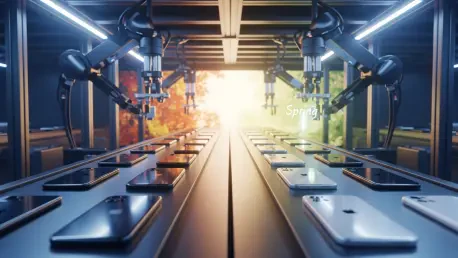
From a logistical and engineering perspective, the shift to a staggered release provides a critical relief valve for a supply chain that has often been pushed to its breaking point. Simultaneous launches of five or six different hardware configurations create an immense production crunch that forces manufacturing partners like Foxconn and TSMC to ramp up capacity at unsustainable rates. This intense pressure can lead to quality control issues, labor shortages, and manufacturing bottlenecks that ultimately result in shipping delays and consumer frustration. By splitting the production requirements into two distinct waves, Apple can maintain more consistent output levels across its global assembly plants throughout the entire year. This balanced approach not only improves factory efficiency but also reduces the risks associated with rapid scaling, ensuring that each device undergoes more rigorous oversight before it reaches the hands of a customer, thereby preserving the brand’s reputation for reliability.
This strategy also serves as a calculated response to the increasingly volatile market for critical semiconductors, including specialized memory chips and high-performance storage modules. A staggered schedule allows the company to manage its inventory of essential components more effectively, ensuring that a supply shortage for one specific model does not bring the entire series to a standstill. Furthermore, it enables more precise allocation of research and development resources, as engineers can focus on fine-tuning the software and hardware integration for the spring models after the fall flagship has already shipped. As the global market for mobile hardware continues to mature and diversify, treating the iPhone business as a segmented portfolio rather than a single monolith becomes a necessity. This shift allows for more targeted releases that cater to specific user types with better-timed product updates, reflecting a sophisticated evolution in how the world’s most valuable tech company manages its business.
Adapting to the Future: New Industry Standards
The decision to fragment the traditional release window represented a bold departure from a decade of predictable patterns, signaling that the era of the singular supercycle had finally come to an end. This move required consumers and retailers to adjust their expectations, moving away from a feast-or-famine mindset toward a more balanced, continuous model of hardware updates. For the broader industry, it set a new precedent for how global brands might manage saturated markets where incremental gains had replaced revolutionary leaps. Competitors were forced to evaluate whether they could match this dual-launch cadence or risk being overshadowed twice a year instead of once. The transition highlighted a growing realization that market dominance was no longer about one big day in September but about maintaining a constant, high-quality presence in the hands of users. This change effectively stabilized the secondhand market and provided a more sustainable path forward for the global network of suppliers.
Moving forward, the industry adopted a landscape where product lifecycles were dictated by software maturity and service integration rather than just annual hardware iterations. For users, the focus shifted toward long-term value and specific feature sets rather than the prestige of owning the current model, as that definition began to change every six months. Organizations and developers adjusted their app rollout schedules and marketing plans to align with this new bi-annual rhythm, ensuring they captured peak engagement during both the spring and fall surges. As other manufacturers eventually adopted similar staggered schedules to compete, the focus increasingly fell on software longevity and environmental sustainability, as a more even production flow allowed for better recycling and refurbishment programs. This evolution in the mobile ecosystem forced everyone involved to embrace a more flexible, demand-driven approach to innovation, ensuring that the technology remained relevant and accessible.