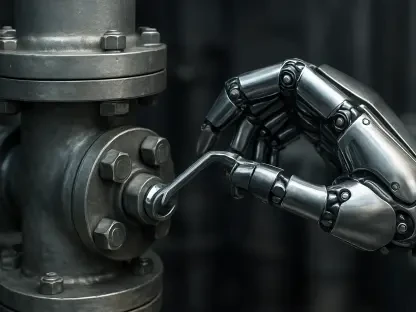

MOVA is challenging the traditional home robotics market in Australia by launching over 20 new products designed to create a seamless, invisible smart living ecosystem. The shift represents a fundamental change in how residents interact with their surroundings, moving from isolated gadgets to a comprehensive environment that manages itself autonomously. With a global presence already established through millions of users, the brand is leveraging its technical expertise to address the unique challenges of the Australian landscape and climate. This strategy centers on the philosophy of invisible technology, where devices operate in the background without requiring constant user intervention or manual configuration. By automating repetitive and time-consuming tasks, the company aims to return hours of leisure time to homeowners, effectively redefining the value proposition of the modern smart home. This expansion covers everything from expansive outdoor yards to the smallest details of personal hygiene, signaling a move toward a fully unified domestic experience that prioritizes user freedom.
Scaling Intelligent Automation: The Great Australian Outdoors
The introduction of high-end outdoor robotics specifically tailored for the varied Australian terrain marks a significant leap in domestic maintenance technology. Leading this initiative is the LiDAX Ultra 2000 AWD, a flagship robotic lawnmower that utilizes 360-degree LiDAR and AI-enhanced vision to navigate complex environments. Unlike traditional robotic mowers that require the installation of messy perimeter wires or permanent base stations, this system operates with complete spatial awareness. It is engineered to handle the steep slopes and uneven surfaces often found in suburban backyards and large rural estates alike. The all-wheel-drive capability ensures that the machine remains stable on slippery or inclined grass, while the onboard sensors detect and avoid obstacles such as gardening tools or stray children’s toys. This level of autonomy eliminates the need for manual oversight, allowing the lawn to be maintained consistently regardless of the season or the complexity of the property’s layout.
Beyond the grass, the brand is tackling the labor-intensive task of pool maintenance with the Rover X10 and Diver A10 robotic cleaners. These devices are designed to overcome the persistent challenge of maintaining a stable wireless connection while submerged in water. Through the implementation of AquaSonar floating technology, these robots maintain a link to the home network, enabling users to monitor cleaning progress and adjust settings via a smartphone application in real-time. This innovation bridges the gap between indoor and outdoor smart ecosystems, ensuring that the pool remains a pristine extension of the living space. The machines are capable of scrubbing floors and polishing the waterline with high precision, removing debris that often accumulates in the harsh Australian climate. By automating what is traditionally a manual chore, these robots provide a level of consistency and hygiene that manual cleaning cannot match. This integrated approach to outdoor care reflects a broader commitment to providing a holistic lifestyle solution.
Advancing Interior Precision: High-Performance Engineering
Inside the home, the focus shifts toward refining the precision of floor care to meet higher standards of hygiene and convenience. Flagship models such as the V70 Ultra Complete and the Z70 Ultra Roller are engineered to address the common failures of earlier robotic vacuums, specifically regarding edge cleaning and sanitization. These machines feature industry-leading suction power and unique extending brushes that reach deep into corners and along baseboards, areas that frequently collect dust in modern open-plan homes. Furthermore, the development of advanced base stations has transformed these devices from simple vacuums into comprehensive floor maintenance systems. These stations now include automated systems that wash mopping components with high-temperature water, effectively killing bacteria and preventing the buildup of odors. This level of self-maintenance ensures that the device is always ready for the next task without requiring manual cleaning from the user. It represents a significant step toward a truly autonomous household.
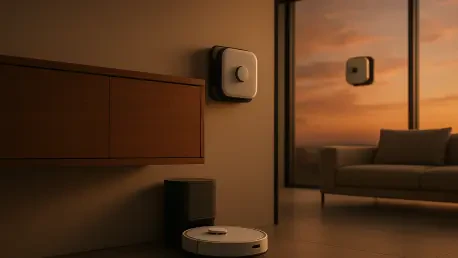
The automation of indoor maintenance extends to vertical surfaces with the introduction of specialized window-cleaning robots like the T1 Station. These devices solve the physical challenges and safety risks associated with cleaning large glass panels, particularly in multi-story residences where manual cleaning is often impractical. Using high-pressure mist and heated water, these robots can dissolve stubborn grime and environmental pollutants that accumulate on windows over time. The application of intelligent path planning, similar to that used in the brand’s floor cleaners, allows the T1 Station to navigate glass surfaces efficiently, ensuring edge-to-edge clarity. This holistic approach to home upkeep recognizes that a clean environment involves more than just the floors; it encompasses every surface that contributes to the overall aesthetic and comfort of a home. By providing specialized tools for niche tasks, the brand ensures that homeowners no longer need to rely on professional services for routine maintenance chores.
Integrating Wellness and Pet Management: The Connected Home
The expansion into personal wellness represents a significant diversification of the brand’s ecosystem, moving technology into more intimate daily routines. The Fresh 20 Vision electric toothbrush serves as a centerpiece of this effort, incorporating a built-in camera and AI-driven analysis to monitor dental health. Users receive real-time feedback through bone-conduction voice prompts, which guide the brushing process to ensure that all areas of the mouth are adequately addressed. This data-centric approach transforms a routine habit into a proactive health check, providing insights that were previously unavailable outside of a dental clinic. Similarly, the brand has introduced hair care products equipped with advanced thermal sensors that monitor temperature thousands of times per second. This level of precision engineering protects the user’s hair from heat damage while ensuring a consistent finish, mirroring the high standards of performance found in their industrial-grade robotics. By embedding technology into grooming, the brand positions itself as a constant partner in daily life.
Pet care is another critical pillar of this new smart living vision, acknowledging that animals are integral members of the modern household. The NutriPal 10 Ultra is an automated feeding solution that goes beyond simple portion control by integrating high-definition cameras and two-way audio systems. This allows pet owners to interact with and monitor their animals from anywhere in the world, providing peace of mind during long workdays or travel. The system can be programmed to dispense specific dietary amounts at scheduled intervals, while the integrated sensors provide alerts if eating patterns change. This level of connectivity ensures that the pet’s well-being is managed with the same level of technological sophistication as the rest of the home. By incorporating pet management into the broader ecosystem, the brand creates a synchronized environment where every resident’s needs are met. This comprehensive focus helps to bridge the gap between human health and pet care, centralizing the management of the household.
Future Considerations: Evolution of Unified Living
The successful integration of these diverse technologies into the Australian household required a fundamental shift in consumer behavior and retail strategy. Major national retailers played a pivotal role by showcasing the interoperability of the ecosystem, allowing potential buyers to see how these devices functioned as a single unit rather than a collection of separate tools. Industry analysts observed that the most effective way to adopt this lifestyle was through a phased approach, starting with high-impact areas like outdoor maintenance before expanding into personal wellness. This strategy allowed users to build trust in the autonomous systems while gradually centralizing their home management via a unified application. Looking forward, the emphasis shifted toward deeper software integration and cross-brand compatibility, ensuring that the smart home remained an evolving environment rather than a static one. The brand’s focus on high-performance robotics set a new benchmark for what consumers expected from appliances.
To maintain this momentum, stakeholders prioritized the establishment of local support networks and extended service agreements to reassure the market of product longevity. The introduction of a three-year warranty across the entire range functioned as a critical move to distinguish these premium electronics from lower-tier competitors. This commitment to durability encouraged long-term investment from homeowners who sought to future-proof their properties against technological obsolescence. As the ecosystem matured, the focus transitioned from individual product features to the collective data insights generated by the home environment, providing residents with actionable advice on energy efficiency and health. This holistic view of the living space proved that the value of smart technology resided in its ability to simplify life rather than complicate it. Consequently, the transition to a unified smart living model became a standard expectation for modern construction and renovations, fundamentally changing how residents engaged with their domestic spaces.