
Modern warfare frequently hinges on the speed at which a commander can visualize the battlefield, yet the current process for obtaining high-resolution imagery remains notoriously slow and bogged down by bureaucratic hurdles. For decades, tactical units have relied on centralized intelligence pipelines that, while robust, often fail to deliver timely data to the individual soldier on the ground. This structural delay creates a dangerous information gap where the situation on the map may be hours or even days old by the time a platoon leader receives it. To bridge this divide, the U.S. Special Operations Command is currently exploring a collaboration with SkyFi, a Texas-based technology startup, to develop a prototype platform capable of delivering unclassified commercial satellite imagery directly to tactical mobile devices. This initiative seeks to transform the traditional top-down intelligence model into a decentralized system that empowers field operators with immediate orbital insights.
Building on the necessity for greater agility, the core of this project involves the integration of SkyFi’s specialized remote-sensing software with the Android Tactical Assault Kit, which is the primary situational awareness tool for American warfighters. This integration allows for a seamless transition from general mission planning to specific, real-time intelligence gathering without requiring the user to switch between disparate hardware or complex software environments. By embedding satellite tasking capabilities within an interface already familiar to the operator, the military can significantly reduce the cognitive load and technical training required to leverage space-based assets. The primary objective is the creation of what is being called a Sovereign Intelligence Platform, a digital environment where field commanders can directly request and receive high-resolution imagery in near-real-time. Such a shift represents a fundamental change in how space data is utilized, moving it from a strategic asset handled by specialized analysts to a tactical tool used by small units.
Streamlining Orbital Intelligence Through Automation
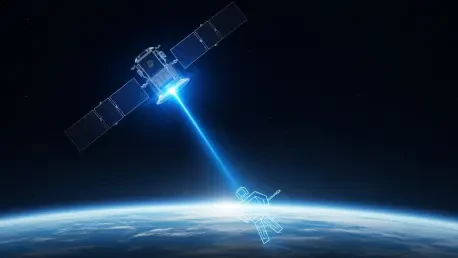
The technical framework supporting this new approach relies on SkyFi’s role as a sophisticated network operator that aggregates access to approximately 150 commercial satellite providers. When a user in the field submits a request for imagery through the mobile interface, the system utilizes an automated engine to identify the most suitable satellite based on specific mission parameters. This selection process accounts for orbital positioning, available sensor types such as optical or synthetic aperture radar, and prevailing atmospheric conditions like cloud cover. By removing the human intermediary from the initial tasking phase, the platform can bypass the weeks-long delays typical of traditional procurement cycles. This automation is specifically designed to address the persistent bottleneck in military intelligence operations, aiming to shrink the acquisition window from days down to a matter of minutes or hours, providing a tangible tactical advantage during fast-moving engagements.
Moreover, the decentralization of intelligence gathering helps to alleviate the pressure on major government agencies that are often overwhelmed by the sheer volume of requests from various military branches. Instead of waiting for a high-priority asset to be diverted from a strategic mission, a small unit can tap into the vast commercial market to fill its immediate informational needs. This “storefront” approach to satellite imagery simplifies the logistical tail of intelligence, treating data more like a commodity that can be purchased and delivered on demand. The software manages the complex negotiations and technical handshakes between the military device and the commercial satellite operator in the background. Consequently, the warfighter receives a finalized, high-resolution product that is ready for immediate analysis and integration into mission planning, ensuring that the visual data remains relevant to the current tactical situation rather than becoming a historical record of a past event.
Integrating Hybrid Space Architectures for Resiliency
The technological consensus driving this initiative suggests that the fusion of commercial and military data is no longer just an advantage but a prerequisite for modern sensor-to-shooter networks. SkyFi is currently a key participant in broader efforts, such as the Defense Innovation Unit’s Hybrid Space Architecture program and the Space Force’s Tactical Surveillance Reconnaissance and Tracking initiative. These programs are focused on building a resilient, interconnected “internet-of-things” in space that can withstand jamming or physical disruption by leveraging a diverse array of assets. By utilizing high-performance edge computing, these networks can move data across civil, commercial, and military domains with unprecedented speed. This multi-layered approach ensures that if one satellite or network becomes compromised, the tactical user can quickly pivot to another provider within the same interface, maintaining a continuous stream of vital intelligence.
Furthermore, this hybrid strategy addresses the need for “hack-proof” communications by implementing advanced encryption and decentralized data routing. As the battlefield becomes increasingly saturated with electronic warfare threats, the ability to pull data from a wide variety of sources makes it much more difficult for an adversary to deny information to U.S. forces. The collaboration with commercial startups like SkyFi allows the military to adopt the rapid innovation cycles of the private sector, which are often years ahead of traditional defense acquisition timelines. This speed of development is critical for maintaining a technological edge over competitors who are also investing heavily in space-based reconnaissance. By embedding commercial capabilities into the heart of tactical operations, the military is not just buying pictures; it is buying a more robust and adaptable infrastructure that can evolve as quickly as the software that powers it.
Future Implications for Tactical Data Visualization
As the initial assessment phases conclude, the results will determine the feasibility of scaling these capabilities across the wider Department of Defense. If the prototype proves successful, it could lead to significantly more sophisticated data processing techniques, including automated target recognition and advanced 3D visualization. These tools would allow soldiers to not only see a flat image of their objective but to interact with a digital twin of the terrain, identifying potential obstacles or cover before they ever set foot on the ground. The ultimate goal is a permanent shift in how special operations forces leverage orbital assets, moving away from static maps and toward dynamic, live-feed environments. This evolution would turn every tactical device into a window to the stars, providing a level of situational awareness that was once the exclusive domain of high-level command centers, now available to the individual at the edge of the conflict.
The path forward for military intelligence lies in the seamless transition from raw data acquisition to actionable insight through localized processing. Future iterations of this technology will likely focus on reducing the bandwidth required to transmit high-resolution files, perhaps by using artificial intelligence to compress images or highlight only the most relevant changes in a scene. Military leadership should prioritize the expansion of these commercial partnerships to ensure that the hardware in the hands of the warfighter never becomes a liability due to outdated information. Investing in open-architecture systems will be essential, as it allows for the rapid integration of new sensor types and satellite constellations as they become available. By fostering a digital ecosystem that favors speed and accessibility, the defense community can ensure that its intelligence apparatus remains as agile and responsive as the forces it supports on the front lines. SkyFi’s prototype served as a critical first step in proving that the commercial space sector can effectively support high-stakes military operations.