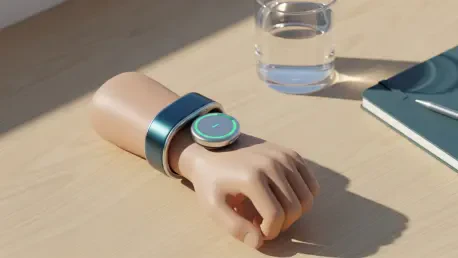

The relentless bombardment of digital notifications from wrist-worn devices has created a paradoxical environment where the very tools designed to improve health often contribute to increased cognitive fatigue and digital distraction. While the broader consumer electronics industry has spent the last several years competing to pack larger, more vibrant displays and complex operating systems into wearable hardware, a distinct subset of users has begun to push back against the constant tethering to their digital lives. This shift in consumer sentiment has paved the way for an alternative approach to health tracking, one that prioritizes physiological data collection over immediate interaction. By removing the screen entirely, the platform allows individuals to disconnect from the frantic pace of the modern notification cycle while still gathering high-fidelity data on their physical state. This design philosophy assumes that a health monitor should be a passive observer rather than an active interrupter, shifting the focus from real-time performance metrics to long-term behavioral trends and holistic wellness. Consequently, the absence of a screen is not a technical limitation but a deliberate feature intended to foster a more mindful relationship with technology and personal health. The emphasis is placed firmly on the backend analysis, where raw metrics are transformed into a narrative of recovery and readiness that guides daily decisions without the need for constant wrist-glancing.
Material Design: The Evolution of Unobtrusive Health Monitoring
One of the most immediate points of differentiation for this sensor is its radical departure from the tech-heavy aesthetic that has dominated the market since the early days of fitness tracking. By eschewing the traditional combination of metal casings and glass screens, the device utilizes a slim, fabric-housed sensor that manages to blend seamlessly into a variety of wardrobes, from professional business attire to casual weekend wear. This focus on textile engineering addresses a long-standing barrier to consistent wearable use, which is the visual “clash” between a piece of hardware and personal style. Because the device presents as a simple, high-quality fabric band rather than a miniature computer, it avoids the social stigma of being “always on” or overly focused on gadgets. This understated elegance ensures that the tracker remains a functional part of a user’s life regardless of the setting, whether it is a high-stakes boardroom meeting or a formal evening event. The ability to swap bands for different colors and textures further enhances this versatility, making the sensor feel more like a chosen accessory than a mandatory piece of medical equipment. This aesthetic integration is crucial for maintaining the long-term compliance required to generate a truly useful longitudinal health data set.
Seamless Integration: Textile Engineering and 24/7 Wearability
The requirement for continuous monitoring is a cornerstone of accurate physiological tracking, yet many devices fail to provide the comfort necessary for around-the-clock wear. While silicone or metal bands can often cause skin irritation or become uncomfortable during sleep, the soft, breathable fabric of this sensor allows for a much more seamless experience. This high level of comfort is essential because the most valuable health insights, such as resting heart rate and heart rate variability, are best captured during the body’s deepest states of rest. Beyond the physical materials, the device features a unique charging solution that allows the battery to be replenished without ever removing the band from the wrist. A slide-on battery pack, or “puck,” can be attached to the sensor while it is being worn, ensuring that there are no gaps in data collection. This eliminates the common issue of users forgetting to put their tracker back on after charging it on a bedside table, which often leads to lost days or weeks of biometric information. In an industry where battery life and charging friction are major pain points, this approach provides a reliable way to maintain a perfect streak of data, which is vital for the algorithmic accuracy of recovery scores and sleep analysis.
Data Contextualization: Decoding Physiological Strain and Recovery
In the landscape of modern wearables, simply reporting steps or calories is no longer sufficient for individuals looking to optimize their performance or longevity. The platform elevates the conversation by introducing the concept of “Strain,” which measures the total physical and mental toll placed on the body throughout the day. Unlike traditional trackers that may only register intense gym sessions, this system accounts for the cumulative stress of daily life, such as the physiological impact of a demanding professional deadline or the physical exertion of household chores. This inclusive perspective on activity makes the data more relevant to a wider audience, including parents and professionals whose stress levels might not always stem from a treadmill. By comparing this daily strain against a “Recovery” score, which is largely driven by heart rate variability, the system provides a clear picture of an individual’s readiness to perform. This contextualized approach helps users understand when they should push their limits and when they should prioritize rest, effectively acting as a digital coach that interprets complex signals into actionable guidance. It shifts the user’s mindset from a “more is better” philosophy to a “better is better” strategy, focusing on the quality of work and the necessity of recuperation.
Behavioral Awareness: The Power of Personal Journals
A standout component of the user experience is the daily journal, which functions as a sophisticated tool for behavioral psychology and personal accountability. Each morning, the app prompts users to record specific habits from the previous day, such as caffeine consumption, alcohol intake, meal timing, or even exposure to blue light before bed. Over time, the platform correlates these subjective entries with objective physiological outcomes, creating a powerful feedback loop that reveals the hidden impact of daily choices. For example, a user might see a direct and undeniable drop in their recovery score after even a single alcoholic beverage, or they might discover that a late-night meal significantly degrades their deep sleep cycles. This data-driven awareness is often more effective at motivating behavior change than generic health advice or gamified badges found in other fitness apps. It empowers individuals to experiment with their routines and see the immediate results in their own biology, transforming abstract health goals into a series of small, manageable adjustments. By focusing on the “why” behind the numbers, the journal helps bridge the gap between knowing what is healthy and actually implementing those habits in a sustainable way, leading to more profound long-term wellness outcomes.
Cognitive Freedom: Training Without Digital Distraction
The deliberate absence of a screen introduces a concept often described as “exercising blind,” a practice that many high-level athletes and mindfulness advocates find surprisingly beneficial. During a workout, the lack of a real-time display for pace, heart rate, or elapsed time encourages individuals to shift their focus from external numbers to internal proprioception. Instead of constantly checking a wrist to see if they are hitting a specific target, users learn to listen to their body’s natural signals, such as breath rate and muscle fatigue. This transition from external validation to internal awareness can significantly reduce training-related anxiety and help prevent the “burnout” that often comes with obsessive metric tracking. It allows the movement to become an end in itself rather than a quest to fill a progress bar or close a digital ring. For those who are already overwhelmed by the digital demands of their professional and personal lives, this screen-free time becomes a valuable sanctuary where they can focus entirely on the physical experience of exertion. This approach aligns with broader cultural shifts toward digital detoxing and mental health awareness, positioning the device not just as a fitness tracker but as a tool for psychological well-being and stress management.
Financial Models: Assessing Subscription-Based Health
While the technology and design are highly advanced, potential users must navigate a specific economic structure that differs from the one-time purchase model of many competitors. The platform operates primarily as a membership service, where the hardware is often provided as part of a recurring subscription fee that grants access to the data analytics and community features. This model transforms the device from a disposable piece of consumer electronics into a long-term service investment, focusing on the ongoing value of the insights rather than the physical object itself. This shift requires a different mindset from the consumer, who must decide if the continuous flow of health coaching and behavioral data justifies a monthly or annual expense. Additionally, like any sensor-based technology, the platform is subject to the inherent limitations of wrist-worn biometrics, such as occasional inaccuracies in sleep stage detection during periods of extreme stillness. However, for those who value the depth of analysis and the screen-free experience, the membership model provides a path to consistent software updates and evolving algorithmic precision. It ensures that the user is always using the most current version of the analytical engine, which is constantly being refined to better understand the complexities of human physiology.
Strategic Wellness: Future Implementation and Actionable Outcomes
The adoption of a screen-free health strategy allowed individuals to reclaim their attention while maintaining a rigorous focus on physiological data throughout the year. It was observed that users who prioritized heart rate variability as their primary metric for determining daily intensity achieved a more balanced lifestyle compared to those chasing traditional step goals. The implementation of the slide-on battery pack successfully addressed the data gaps that previously hindered long-term health trends, ensuring a complete 24/7 record of the body’s reaction to various stressors. Individuals discovered that by actively utilizing the correlations provided by the behavioral journal, they could make targeted adjustments to their sleep hygiene and nutritional timing with measurable success. These insights demonstrated that the most effective wellness tools were often those that operated quietly in the background, providing depth without demanding constant interaction. Moving forward, the most successful practitioners integrated these biometric signals into a broader strategy of intuitive movement and proactive rest. It was determined that the true value of such technology lay in its ability to inform, rather than dictate, the daily choices that contribute to longevity and performance. Ultimately, the transition toward minimalist wearables established a new standard for personal health management where quality of data was valued above the frequency of digital alerts.