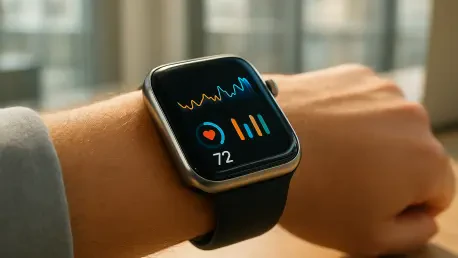

By placing premium features like 700-nit displays and metallic frames into a budget-conscious framework, GOBOULT addresses the specific needs of the young, always-on consumer demographic. This strategic shift in the 2026 wearable market effectively bridges the gap between high-fashion aesthetics and rigorous technological utility, catering to individuals who demand sophistication without the prohibitive costs of luxury competitors. As digital connectivity becomes more integrated into daily routines, the brand emphasizes high-definition visual interfaces and reliable communication tools as foundational elements of its latest product cycle. The current lineup, featuring models such as the Mustang Racer and the Tuff Hawk, prioritizes an intuitive user experience that adapts to various environments, from corporate offices to outdoor fitness trails. By focusing on the always-on lifestyle, these smartwatches serve as essential extensions of the smartphone, ensuring that critical notifications and health data remain accessible at a moment’s notice while maintaining a sleek, modern profile that resonates with contemporary fashion trends.
Unified Technological Standards Across the Collection
Every entry in the current collection is engineered upon a foundation of superior visual clarity and integrated connectivity protocols designed to streamline daily interactions. The diversity of the screen technology, ranging from compact high-definition panels to expansive curved AMOLED displays, ensures that users enjoy crisp imagery regardless of their specific model choice. These screens are specifically treated to minimize glare, allowing for exceptional legibility even under the intense glare of direct midday sunlight. Beyond mere aesthetics, the inclusion of universal Bluetooth calling functionality transforms the smartwatch from a passive notification hub into an active communication device. This feature allows users to initiate and receive calls directly from their wrists, which proves particularly advantageous during high-activity scenarios like morning commutes or intense gym sessions. Such integration reduces the frequent need to interact with a smartphone, fostering a more seamless and less distracted digital lifestyle for the modern professional.
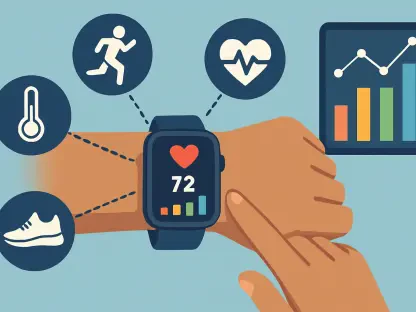
Health monitoring and deep personalization represent the dual pillars supporting the functional architecture of the entire 2026 product range. Each device is equipped with a comprehensive suite of precision sensors capable of tracking vital metrics such as heart rate variability, blood oxygen saturation, and sleep quality with high accuracy. To accommodate a wide variety of physical activities, the software architecture includes over 120 distinct sports modes that provide detailed performance analytics tailored to specific exercises. This data-driven approach allows users to gain meaningful insights into their long-term fitness journeys and overall well-being. Complementing these technical capabilities is an extensive library of over 200 customizable watch faces, which enables users to modify the visual identity of their device daily. This level of aesthetic flexibility ensures that the hardware can transition effortlessly between different social contexts, allowing the wearer to match their watch to specific outfits or moods throughout the week.
Specialized Aesthetics for Individual Preferences
The Mustang Racer and the Saber models stand as the premier examples of how specialized design can enhance both visibility and user engagement within the wearable space. As an official Ford-licensed product, the Mustang Racer specifically targets automotive enthusiasts by incorporating a premium build quality that mirrors the industrial design of high-performance vehicles. A standout feature of this model is the functional rotating bezel, which offers a tactile method for menu navigation that appeals to those who appreciate mechanical precision over standard touch interactions. In contrast, the Saber model is optimized for users who spend significant time outdoors and require consistent visibility in challenging lighting conditions. With a peak brightness reaching 700 nits and a dedicated Always-On Display mode, the Saber ensures that time and critical data remain visible at a glance without requiring the user to tap the screen or raise their arm. This focus on immediate accessibility makes it a definitive choice for adventurers who value both durability and efficiency.
For consumers who prioritize a more immersive visual experience, the Mustang Muscle introduces a substantial 2.01-inch curved display that significantly expands the digital canvas for notifications and health metrics. This expansive screen real estate allows for more complex data visualizations and easier reading of long-form text messages, making it an ideal companion for heavy data users. The versatility of the Mustang Muscle is further enhanced by its innovative convertible strap system, which facilitates a quick transition from a rugged, sweat-resistant sports band to a more sophisticated metallic or leather accessory suitable for formal occasions. Beyond its external adaptability, the device includes inclusive health monitoring features such as female cycle tracking and a robust IP68 rating for water and dust resistance. These specifications ensure that the watch remains functional in diverse environments, from swimming pools to rainy urban landscapes. By combining large-scale display technology with multi-functional design elements, this model serves as a comprehensive tool for those seeking a balance.
Functional Diversification and Ergonomic Controls
The Drift+ and the Tuff Hawk are specifically tailored to meet the needs of users with distinct functional priorities, ranging from professional productivity to ultra-portable convenience. The Drift+ utilizes a square screen format that is strategically designed to maximize the vertical and horizontal space available for text-based notifications. This layout is particularly beneficial for professionals who need to skim emails or calendar alerts quickly without excessive scrolling, providing a more efficient workflow for those managing busy schedules. Conversely, the Tuff Hawk focuses on providing a lightweight and unobtrusive user experience, weighing in at a mere 51 grams. Despite its position as a more budget-friendly entry, it does not compromise on practical utility, incorporating unique tools like a built-in LED flashlight for emergency use. Furthermore, it features a fully functional working crown that simplifies navigation through the user interface, demonstrating that ergonomic excellence can be achieved even in devices designed for maximum portability and value.
A significant trend observed throughout the current lineup is the deliberate shift toward more tactile and ergonomic navigation methods that enhance the overall user experience. By integrating physical components like rotating bezels and functional digital crowns, GOBOULT has successfully moved away from a total reliance on touch-only interfaces, which are often prone to screen smudges and accidental inputs. These mechanical controls allow for highly precise scrolling through app lists and settings menus, providing a level of feedback that touchscreens often lack. This design philosophy bridges the gap between traditional horology and modern technology, offering a user experience that feels more like operating a high-end timepiece than a standard electronic gadget. The inclusion of these physical inputs is not merely an aesthetic choice but a practical one, as it allows users to navigate their devices more effectively while wearing gloves or during high-intensity workouts when screen interaction might be difficult. This emphasis on physical interaction reflects a broader industry movement.
Integration Within the Digital Health Ecosystem
Central to the functionality of the entire hardware collection is the GOBOULTFIT application, which acts as the primary hub for all data synchronization and device management tasks. While the smartwatches themselves are capable of independent activity tracking and heart rate monitoring, the mobile application is essential for performing in-depth analysis of health trends over extended periods. Users can sync their daily statistics to the app to visualize their progress through detailed charts and graphs, which helps in identifying patterns in sleep quality or cardiovascular health. Moreover, the digital ecosystem ensures that the hardware remains current through seamless over-the-air firmware updates that can be initiated directly from a paired smartphone. This ongoing software support is crucial for maintaining device stability and introducing new features or optimizations as they become available. By centralizing these functions, the app enhances the value of the wearable, transforming it from a standalone accessory into a comprehensive health and lifestyle management tool.
The synergy between the physical sensors on the wrist and the cloud-based processing within the app allows for a more nuanced understanding of physical performance across various disciplines. For instance, the data collected during one of the 120 sports modes is not merely stored but is contextualized against historical data to provide actionable feedback on recovery times and exertion levels. This level of integration is particularly beneficial for amateur athletes and fitness enthusiasts who require professional-grade insights without the need for specialized coaching. Beyond fitness, the ecosystem manages the broader utility of the device, such as organizing the extensive library of watch faces and managing notification permissions for third-party applications. This ensures that the user interface remains uncluttered and that only the most relevant information reaches the wearer’s wrist. As the digital and physical worlds continue to converge, the strength of this integrated software environment becomes a key differentiator for the brand, ensuring that every hardware model provides a reliable user experience.
Strategic Implementation of Wearable Innovation
The deployment of the 2026 collection demonstrated how a focused approach to mid-range technology could redefine consumer expectations for value-driven wearables. By prioritizing high-end visual hardware and robust communication features, the brand successfully addressed the core requirements of a demographic that valued both style and substance. Industry analysts observed that the inclusion of specialized tools, such as the built-in flashlight and rotating bezels, provided a level of practical utility that was previously reserved for much more expensive devices. This strategic decision-making process allowed the brand to capture a significant share of the youth market, proving that advanced health monitoring and aesthetic diversity were not mutually exclusive with affordability. The success of these models rested on their ability to act as dependable companions in a fast-paced digital environment. Ultimately, the 2026 lineup served as a blueprint for how manufacturers could leverage existing technology to create more inclusive and versatile consumer electronics.
Looking ahead, consumers who seek to maximize the utility of these advanced wearables should focus on optimizing their power management settings to match their specific daily routines. While features like the Always-On Display and continuous blood oxygen monitoring provide valuable insights and convenience, they also require more frequent charging cycles that may not suit every lifestyle. Users could benefit from customizing notification filters within the companion app to ensure that only essential alerts trigger the vibration motor, thereby extending the operational life of the battery between charges. Furthermore, the ongoing expansion of the digital ecosystem suggests that future updates will likely introduce even more sophisticated biometric algorithms and broader third-party app support. Engaging with the community features of the integrated platform can also provide users with new ways to utilize their fitness data, such as participating in virtual challenges or sharing progress with peer groups. Staying informed about software enhancements will remain the most effective way to ensure long-term satisfaction.