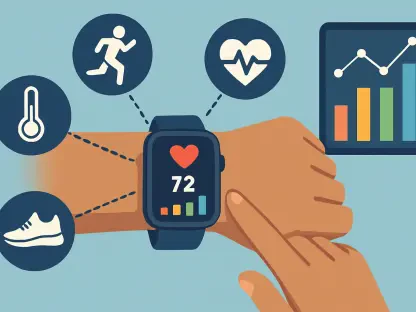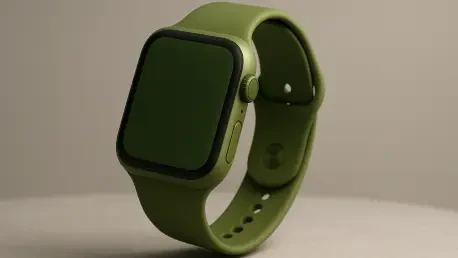

The Fitbit Edge design includes a specialized removable band mechanism that allows users to customize the appearance of their high-performance fitness tracker. This leak effectively solves the mystery surrounding a device recently spotted in various promotional materials for the Pixel 11 series. Google is currently finalizing a clear three-tier strategy for its wearable hardware, ensuring that consumers have distinct choices based on their specific activity levels and technological requirements. At the entry level, the screenless Fitbit Air provides a discreet option for passive background tracking, while the flagship Pixel Watch 5 continues to offer the full Wear OS experience for those who need deep smartphone integration. The Fitbit Edge sits comfortably in the middle, serving as a direct spiritual successor to the iconic Charge series. By bridging the gap between basic trackers and power-hungry smartwatches, this device appeals to fitness enthusiasts who prioritize durability and focused data collection over a sprawling application ecosystem. The aesthetic choices, including the new Obsidian, Olive, and Canyon colorways, suggest that Google intends for these wearables to be viewed as fashionable accessories rather than just utilitarian tools. This shift highlights a broader industry trend where health monitoring technology must integrate seamlessly into daily personal style while maintaining a high level of performance.
Technical Specifications: Functionality and Longevity
Unlike the Pixel Watch 5, which features power-intensive Wi-Fi, LTE, and Gemini AI integration, the Fitbit Edge prioritizes utility and longevity. It boasts a vivid color display and a comprehensive sensor suite, including built-in GPS and an altimeter for tracking elevation during outdoor excursions. The hardware design includes elongated side buttons that facilitate easier navigation during intense workouts when touchscreens might be less responsive. One of the standout features of this tracker is its impressive seven-day battery life, which significantly outpaces standard smartwatches that require daily charging. While it lacks a full application store, it integrates essential Google services such as Google Maps for turn-by-turn navigation and media controls for managing audio playback on a paired device. The automatic activity recognition system has been refined to distinguish between varied movements more accurately, ensuring that every session is recorded without manual intervention. This technical balance ensures that the device provides high-value data without the distractions of a cellular-connected wrist computer. It represents a refined approach to hardware where every component serves a specific purpose for the athlete.
Market Entry: Regulatory Progress and Availability
The existence of this new model gained significant credibility following recent regulatory filings with the FCC and IMDA. A Google device identified as model G8BL6 appeared in these listings, described as a wrist-worn tracker featuring Bluetooth and GNSS connectivity but notably lacking cellular or Wi-Fi capabilities. This description perfectly aligned with the leaked specifications of the Fitbit Edge and suggested that a public launch was imminent, possibly occurring before the end of the current month. Industry analysis indicated that the pricing for the Edge likely fell between $149 and $199, keeping it competitive with legacy fitness hardware. Consumers evaluated their current data needs before committing to a flagship smartwatch, as the Edge offered a more streamlined alternative for health monitoring. Experts suggested that users monitored regional availability as the rollout began to ensure they could secure the new color options. By choosing this mid-tier tracker, individuals gained access to sophisticated biometric tracking without the high cost of a premium wearable. This move successfully clarified Google’s intent to dominate the health sector by offering specialized tools for every level of fitness engagement. Prospective buyers planned their hardware upgrades based on these clear tier distinctions to optimize their daily health tracking routines.