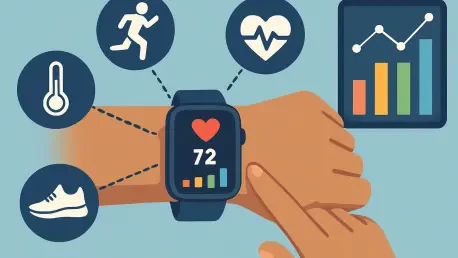

Photoplethysmography is the process where a watch uses green light absorption to count beats per minute and provide real-time cardiovascular feedback. In the current landscape of 2026, these sophisticated wrist-worn devices have transitioned from simple step counters to comprehensive medical-grade companions that offer an unprecedented window into personal physiology. The modern user no longer relies on intermittent doctor visits for basic health metrics, as the constant stream of data allows for a proactive approach to wellness that was previously impossible. This technological leap stems from the integration of miniature sensors that operate silently against the skin, capturing subtle changes in light and movement. By analyzing these biological signatures, the software can construct a detailed narrative of a person’s daily existence, highlighting patterns that might otherwise go unnoticed. As digital health continues to evolve, understanding the underlying mechanisms becomes essential for anyone looking to leverage these tools effectively for long-term fitness goals.
1. The Mechanics: Understanding Sensor Hardware and Positioning
Modern smartwatches function as specialized hardware ecosystems designed to capture a wide array of physical and environmental stimuli simultaneously. At the core of this system is the optical heart rate sensor, which utilizes light-emitting diodes to penetrate the skin and measure the rate of blood flow through the veins. Accompanying this is the accelerometer, a micro-electromechanical system that detects acceleration forces along three axes. This specific component is responsible for identifying the rhythmic motion associated with walking or running, distinguishing it from random arm movements. Furthermore, the gyroscope adds another layer of precision by monitoring the orientation and rotation of the wrist, which is crucial for identifying complex exercise forms like a tennis swing or a swimming stroke. Together, these sensors feed raw data into a central processor that utilizes advanced algorithms to filter out noise and provide a clear picture of the user’s current physical state during any given activity.
Beyond movement and pulse, the integration of specialized sensors for blood oxygen levels and spatial positioning has significantly expanded the utility of these wearables. The SpO2 sensor utilizes red and infrared light to estimate the percentage of oxygen saturation in the bloodstream, providing insights into respiratory efficiency and altitude acclimation. Simultaneously, the inclusion of Global Positioning System (GPS) technology allows the device to communicate directly with satellite constellations to determine precise geographic coordinates. This enables the tracking of distance, elevation gain, and velocity during outdoor excursions without the need for a tethered smartphone. As these sensors have become more power-efficient in 2026, they can operate for longer durations, offering continuous monitoring that captures the nuances of a high-intensity workout or a long-distance hike. The synergy between these hardware components creates a robust foundation for the complex data analysis that users see on their device screens every day.
2. Biological Monitoring: Tracking Vital Signs and Physical Movement
The methodology for pulse detection relies on the principles of light absorption and reflection within the vascular system. When the green LEDs on the underside of a smartwatch flash hundreds of times per second, the light penetrates the epidermal layers to reach the capillary beds. Because blood is red, it reflects red light and absorbs green light; during a heartbeat, the blood flow in the wrist increases, leading to higher green light absorption. In the intervals between beats, the absorption levels drop significantly. The watch’s photodiode measures these rapid changes in light intensity, which the onboard software then converts into a steady heart rate reading measured in beats per minute. This continuous monitoring allows the device to establish a baseline for resting heart rate, which serves as a primary indicator of cardiovascular health and fitness progression. By observing how quickly the heart rate returns to normal after exertion, the system can also provide an assessment of overall athletic recovery.
Tracking physical activity involves a sophisticated blend of motion sensing and personal data integration to provide a comprehensive view of energy expenditure. The accelerometer is the primary tool for counting strides, as it detects the specific rhythmic bouncing motion of the arm that occurs during a walk or run. However, the process does not stop at simply counting steps; the device combines this movement data with user-provided metrics such as age, height, weight, and gender to estimate caloric burn. Higher intensity movements detected by the sensors suggest a greater metabolic demand, which the software translates into active calories burned throughout the day. This creates a more nuanced picture of daily effort than a simple step count could provide. By analyzing the frequency and intensity of these movements, the watch can also distinguish between a leisurely stroll and a vigorous workout, ensuring that the user receives proper credit for different levels of physical exertion.
3. Wellness Optimization: Analyzing Recovery and Ensuring Data Precision
Achieving high levels of data precision requires the user to maintain the physical integrity of the device and its contact with the skin. Because the optical sensors rely on light transmission, any barrier between the sensor and the wrist can lead to inaccurate readings. It is recommended to fasten the strap tightly enough that the watch does not slide during movement, yet loosely enough to remain comfortable. Positioning the device approximately one finger-width above the wrist bone ensures that the sensors are placed over a flat area with optimal blood flow. Additionally, regular maintenance is essential; sweat, skin oils, and dust can accumulate on the sensor lens, scattering the light and creating noise in the data. Periodically wiping the back of the watch with a clean, damp cloth can prevent these issues and ensure that the cardiovascular readings remain as clear as possible. These small adjustments in usage can significantly enhance the reliability of the health metrics provided by the wearable.
Integrating a smartwatch into a daily routine proved to be a transformative step for those who prioritized data-driven wellness. The technology enabled a shift from reactive health management to a proactive strategy that emphasized consistency and early detection of physiological changes. Users found that the most successful approach involved setting realistic, incremental goals based on the initial baselines established by the device. They recognized that the data served as a guide rather than an absolute truth, allowing for adjustments in training intensity and recovery time. By maintaining the hardware and staying informed about software enhancements, individuals maximized the utility of their wearables. Moving forward, the focus shifted toward using these insights to foster sustainable habits that supported long-term vitality. The transition toward a more informed lifestyle was facilitated by the constant feedback loop provided by the wrist-worn sensors, proving that small, daily adjustments led to significant improvements in health.