
Despite the introduction of several high-performance features, the initial setup requires a complex series of updates across multiple applications and system menus. This friction initially masks a device that has finally matured into a standalone computing powerhouse, moving far beyond its origins as a mere companion to a smartphone. In the current landscape of wearable technology, consumers are increasingly demanding autonomy, and this fifth-generation flagship seeks to provide it by migrating heavy processing tasks directly onto the wrist. The shift is palpable from the moment the screen illuminates, showcasing a level of responsiveness that was previously unattainable without a persistent, high-speed data connection. While the transition to this more independent architecture involves a noticeable price increase, the investment is justified by a fundamental change in how the device interacts with the user and the surrounding environment, prioritizing speed and privacy in equal measure.
Hardware Engineering: Display Innovation and Internal Power
The visual centerpiece of the Pixel Watch 5 remains its signature domed-glass architecture, but the underlying technology has seen a drastic leap forward to meet the demands of outdoor visibility. A new 320ppi AMOLED panel serves as the primary interface, now capable of hitting a staggering peak brightness of 3,000 nits. This level of luminance ensures that text remains sharp and colors remain saturated even under the harsh glare of direct midday sun, solving a long-standing pain point for outdoor enthusiasts. However, this brightness is dynamically managed by a sophisticated ambient light sensor and an aggressive power-saving protocol. When the device enters its low-power state to conserve energy, the brightness can drop significantly, which might momentarily hinder legibility for those accustomed to the high-intensity active mode. The engineering team has balanced this by refining the refresh rate, allowing for smoother transitions that make the interface feel more organic and less like a digital overlay.
Beneath the elegant glass exterior lies the Snapdragon W5 Gen 2 Accelerated processor, a chipset specifically tuned to handle the rigorous demands of localized artificial intelligence. This “Accelerated” designation is not merely a branding exercise; it represents a tangible increase in memory bandwidth and clock speeds compared to previous iterations. These internal upgrades are vital for the device to process complex health data and voice commands without the latency typically associated with cloud-based systems. Furthermore, the commitment to internal longevity is evidenced by the continued support for a modular internal design. It remains one of the few premium smartwatches on the market where both the screen and the battery are officially replaceable through authorized service providers. This focus on repairability provides a layer of long-term value that often eludes the disposable electronics market, appealing directly to those who view their technology as a multi-year investment rather than a temporary accessory.
Intelligence Reimagined: The Integration of On-Device Gemini
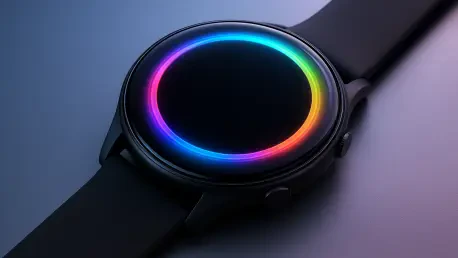
The transition from a cloud-dependent Google Assistant to an on-device Gemini instance marks a pivotal moment in the evolution of WearOS. By hosting the large language model locally, the watch eliminates the frustrating “thinking” delays that have plagued voice-controlled wearables for years. Commands such as starting a specific workout, setting complex nested timers, or toggling deep system settings are executed almost instantaneously. This creates a more fluid user experience where the digital assistant feels like a natural extension of the hardware rather than a remote service. The visual representation of this intelligence is equally polished, featuring a “Neural Expressive” glow that pulses along the edges of the screen during interaction. This animation serves as a subtle confirmation that the device is listening and processing, providing immediate feedback that builds trust in the system’s reliability during hands-free operation.
In addition to improved responsiveness, the software environment introduces the “At a Glance” feature, which uses predictive logic to surface interactive “chips” at the bottom of the watch face. These chips intelligently display time-sensitive information, such as upcoming flight details, ride-share proximity, or real-time delivery updates, without requiring the user to navigate through the app drawer. While the functional aspects of this AI integration are top-tier, the creative applications currently feel more restrictive. For instance, the AI-generated watch faces allow for custom prompts, but the results are primarily limited to stylistic changes in typography and color palettes rather than a complete overhaul of the layout or background elements. Despite this, the move toward localized intelligence ensures that the most critical features remain functional even in environments with zero connectivity, such as remote hiking trails or subterranean transit systems, reinforcing the theme of true device independence.
Navigation Refined: Gesture Controls and Wrist Interaction
The physical interaction model has been expanded to include a more robust suite of gesture-based controls, aimed at improving accessibility and one-handed utility. The standout feature is the “double pinch” gesture, which utilizes the watch’s sensors to detect the subtle muscular movements and vibrations when the index finger and thumb are tapped together twice. This gesture serves as a universal “select” or “open” command, allowing users to dismiss notifications or expand AI responses without ever touching the screen. This is particularly useful in scenarios where the user’s other hand is occupied, such as while carrying heavy objects or maintaining a grip on a subway railing. The sensitivity of these sensors has been tuned to avoid accidental triggers, ensuring that normal hand movements during conversation do not unintentionally activate the notification center or scroll through menus.
Complementing the pinch gesture is a new universal “back” command that is triggered by a quick, intentional rotation of the wrist away from the face. This motion-based navigation aligns with a broader design philosophy that seeks to minimize the need for precise touch targets on a small circular display. By flicking the wrist, users can exit deep menu structures or return to the home screen with minimal effort. This intuitive approach to navigation reduces the cognitive load of operating a complex computer on the wrist, making the device feel more like a tool and less like a distraction. While these gestures require a short learning curve to master the specific timing and force required, they eventually become second nature. The combination of tactile feedback from the haptic motor and the visual confirmation on the screen creates a cohesive interaction loop that significantly enhances the overall efficiency of the WearOS ecosystem.
Precision Tracking: Advanced GPS and Fitness Analytics
The accuracy of location services has seen a major technical overhaul, utilizing a combination of dual-frequency GPS and advanced 3D building models to combat signal interference. In high-density urban environments, often referred to as “urban canyons,” traditional GPS signals frequently bounce off glass and steel structures, leading to significant tracking errors. The Pixel Watch 5 mitigates this by referencing a global network of ground stations and using onboard spatial mapping to correct path deviations in real time. Side-by-side comparisons with industry leaders demonstrate that this device captures the nuances of a run or ride, such as crossing a street or navigating a tight corner, with professional-grade precision. This level of detail is essential for serious athletes who rely on exact pacing and distance data to inform their training blocks and recovery cycles.
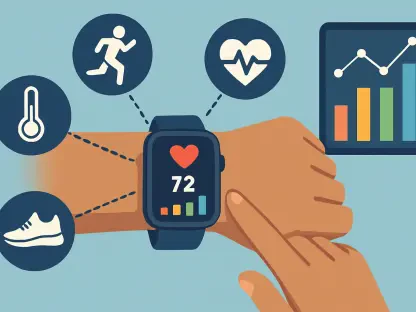
Health monitoring remains deeply integrated with the Fitbit platform, offering a sophisticated suite of automatic activity detection tools that recognize transitions from walking to running or cycling without manual input. However, the device maintains a strict privacy stance regarding location data, choosing not to activate GPS recording for these automatically detected sessions unless the user provides an explicit prompt. This encourages a more intentional relationship with data collection, though it may result in missing maps for users who forget to manually start a tracked workout. Beyond movement, the sleep tracking suite has been updated with more refined machine learning models that analyze heart rate variability and respiratory patterns to provide a granular breakdown of sleep architecture. While no wrist-worn device can perfectly replicate a clinical sleep study, the consistency of the data allows users to identify long-term trends in their rest quality and make informed adjustments to their daily routines.
Endurance and Utility: Battery Strategy and Charging
Battery life continues to be a central topic of discussion, with the device offering a stable forty-eight-hour window of operation on a single charge. This two-day endurance is competitive for a flagship with a high-brightness display and local AI processing, but the real innovation lies in the battery’s chemistry and the accompanying fast-charging architecture. The ability to reclaim a significant percentage of battery life in a ten-minute window changes the user’s relationship with the charger. Instead of a mandatory overnight plug-in, the watch can be topped off during a morning shower or a quick meal, ensuring it is ready for both a high-intensity workout and a full night of sleep tracking. This rapid energy recovery effectively eliminates the “battery anxiety” that often prevents users from utilizing the full spectrum of a smartwatch’s health-monitoring capabilities.
Despite the hardware’s efficiency, the onboarding process is an area where the user experience feels slightly fragmented. The initial synchronization requires multiple updates across the dedicated watch app, the main system settings, and various background services, which can take a considerable amount of time to complete. This “overwrought” setup is a byproduct of the device’s complexity and the need to secure various permissions for the advanced AI and health features. Once this initial hurdle is cleared, however, the day-to-day utility is seamless. The integration with the broader Android ecosystem allows for deep cross-device functionality, such as controlling smart home devices or managing media playback with zero lag. The result is a wearable that feels deeply integrated into the user’s digital life, providing value not just through its own sensors, but through its ability to act as a central hub for a connected environment.
Material Durability: Build Quality and Longevity Concerns
The physical construction of the watch reflects a commitment to premium materials, yet it also highlights the inherent vulnerabilities of a bezel-less, domed-glass design. While the aesthetic is striking and comfortable, the exposed glass remains susceptible to scratches or chips if it comes into contact with abrasive surfaces. Users who lead particularly active or manual lifestyles may find this lack of a protective rim a cause for concern, though the inclusion of high-durability glass formulations helps mitigate some risk. Additionally, the quality of the official accessories has come under scrutiny, particularly with the lighter-colored silicone and fabric bands. During testing, some of these bands showed early signs of staining and discoloration after exposure to sweat and environmental pollutants. Given the premium price point of official replacements, this potential for premature wear is a factor that prospective buyers should weigh when choosing their initial color configurations.
Ultimately, the device represented a successful refinement of the core principles that define a high-end wearable. It addressed the historical bottlenecks of speed and location accuracy while introducing a new paradigm of localized intelligence that operated independently of the cloud. Consumers found that the combination of rapid charging and precision tracking made the device a reliable companion for both professional and personal use. To maximize the longevity of the investment, owners were advised to opt for darker band colors and to consider the available insurance options for the glass display. The strategy of prioritizing internal hardware power and repairability over superficial design changes proved to be the right move, establishing a strong foundation for the future of the platform. Moving forward, users should ensure their primary smartphone is updated to the latest software version to fully unlock the cross-device AI features that define this generation of hardware.