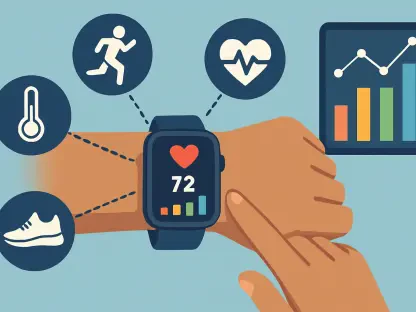

Proprietary algorithms used by major wearable brands often synthesize complex biological signals into color-coded numbers without providing any published scientific validation. In the modern health and fitness landscape, the smartwatch has transitioned from a luxury accessory to a digital oracle that dictates the flow of a user’s day. Millions of people now begin their mornings not by assessing their own physical sensations or energy levels, but by glancing at a readiness or recovery score on their wrist. This single, color-coded number carries immense psychological weight, determining whether an individual decides to push through a grueling high-intensity workout or opts for a sedentary rest day instead. However, extensive research suggests that the absolute confidence these devices exude may be scientifically premature, highlighting a significant gap between the aesthetic authority of these scores and the underlying empirical evidence that supports them. The accuracy and practical utility of consumer wearable technology are often obscured by proprietary, unvalidated algorithms that function as opaque black boxes. While these devices provide a sleek and intuitive interface for health tracking, the internal method of calculating insights remains hidden from the public and the scientific community alike. This lack of transparency means that the scientific feel of these metrics is often a result of clean graphic design and confident marketing rather than rigorous, peer-reviewed methodology. Consequently, the theoretical rationale provided by companies is frequently used as a substitute for published evidence proving that these devices actually function as intended in real-world scenarios.
The Mystery of the Readiness Score
At the heart of the critique is the readiness score, a composite metric marketed by various brands to summarize an individual’s physical and mental capacity for the day. These scores typically aggregate several distinct data points, including overnight resting heart rate, heart rate variability, sleep duration, and recent training load. While the individual components are grounded in physiological science, the weighting schemes used to combine them generally lack published validation from independent researchers. Because each company keeps its specific mathematical formula private, there is no industry-wide standard for what constitutes readiness, leading to significant potential for data discrepancies across different platforms. The reliance on these numbers can lead to a phenomenon where users ignore their own physical symptoms in favor of a digital readout, creating a psychological disconnect. If an athlete feels energized but the device indicates low recovery based on a slight dip in heart rate variability, the resulting mental conflict can disrupt performance or lead to unnecessary anxiety. This dynamic illustrates the power these devices hold over daily behavior, despite the lack of a transparent scientific foundation for the aggregated scores they provide.
This lack of standardization undermines the reliability of these scores for high-stakes decision-making in both amateur and professional settings. A user could wear two different brands of smartwatches simultaneously and receive conflicting verdicts based on the exact same biological input. One device might prioritize heart rate variability as the primary indicator of stress, while another might weigh total sleep duration or previous activity levels more heavily, resulting in different recommendations for the same calendar day. Without a transparent and validated framework, these metrics serve more as educated guesses than absolute physiological truths, making it difficult for users to know which device to trust for their long-term health planning. Furthermore, the aesthetic presentation of these scores—often using bright greens for recovery and alarming reds for fatigue—can induce a placebo or nocebo effect. A person who receives a poor recovery score might physically perform worse simply because they believe they are tired, regardless of their actual biological state. As these devices become more integrated into the fitness culture of 2026, the need for cross-brand calibration and open-source validation of these composite scores has become a central point of debate among exercise physiologists and data scientists.
Understanding the Algorithmic Chain
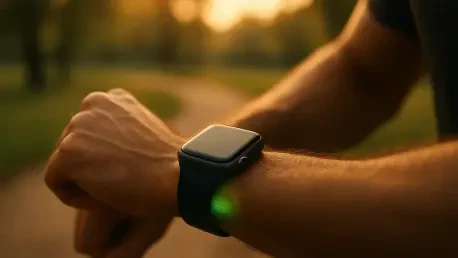
To understand the limitations of these devices, one must distinguish between direct measurement and algorithmic estimation. Smartwatches do not measure calories, sleep stages, or fitness levels in the traditional sense; instead, they estimate them through a complex and often fragile chain of interpretations. The hardware relies on motion sensors, GPS, and optical sensors that shine light into the skin to detect changes in blood volume through a process called photoplethysmography. These raw light reflection patterns are inherently messy and must be processed by sophisticated software to filter out noise caused by movement, ambient light, or shifting skin contact before a basic heart rate number is even produced. This initial layer of processing is the foundation upon which all other health metrics are built, meaning any error at this stage is magnified as the data moves through the system. If the sensor fails to maintain a perfect seal against the wrist during a vigorous activity, the resulting data stream becomes fragmented, forcing the algorithm to fill in the gaps with mathematical models that may not accurately reflect the user’s actual physiological state at that moment.
This interpretation process creates what experts call a compound error effect, where each subsequent link in the algorithmic chain introduces additional potential for inaccuracy. If the initial heart rate reading is slightly off due to vigorous arm movement or improper strap tension, every subsequent metric built upon that reading—such as calorie burn, training load, or the daily readiness score—becomes increasingly unreliable. As the data moves further away from the raw sensor signal and closer to a modeled prediction, the margin for error grows, potentially leading to misleading health insights that can skew a user’s perception of their progress. For instance, an overestimated heart rate during a run will lead to an inflated calorie count and an exaggerated cardiovascular strain score. When these errors are aggregated over weeks or months, they can provide a fundamentally flawed picture of an individual’s fitness trajectory. The complexity of these models often hides the fact that they are built on assumptions about human physiology that may not apply to every body type or activity level. Consequently, the sleek interface of a modern smartwatch can provide a sense of precision that is not supported by the underlying technical process.
Reliability of Specific Health Metrics
Heart rate monitoring is one of the more robust features of modern wearables, showing high accuracy during rest and steady-state exercise like walking or jogging. However, this accuracy diminishes significantly during high-intensity interval training or activities involving rapid, non-cyclical arm movements, such as CrossFit or tennis, which can disrupt the sensor’s seal against the skin and create motion artifacts. Similarly, while smartwatches are remarkably proficient at identifying when a person is asleep versus awake based on movement and heart rate patterns, their ability to distinguish between specific sleep stages—light, deep, and REM—remains much lower and less reliable than clinical polysomnography. Many users look to their sleep stage data to explain feelings of grogginess, but the reality is that wrist-based sensors lack the brainwave tracking necessary to identify these stages with clinical precision. The discrepancy between what the device reports and what is actually happening in the brain can lead to misplaced concerns about sleep quality. As more consumers use these devices to self-diagnose sleep disorders, the limitations of these motion-based and heart-rate-based estimations become a significant hurdle for accurate health management.
Calorie burn remains one of the most inaccurate metrics provided by consumer wearables, with error rates often exceeding 10% to 20% in various independent studies. This is because energy expenditure is a highly individual process influenced by numerous variables that the watch cannot see, such as basal metabolic rate, hormonal balance, and specific muscle mass. Furthermore, while VO2 max estimates provide a reasonable ballpark figure for the average consumer, they often fail to capture the nuances of peak performance for highly trained athletes, leading to less accurate results at the higher end of the fitness spectrum. These estimates are typically based on the relationship between heart rate and running speed, which can be influenced by external factors like wind, terrain, and temperature that the watch may not fully account for. For a professional athlete, a small percentage of error in VO2 max or calorie expenditure can mean the difference between peak performance and overtraining. While these metrics are useful for general motivation and tracking broad activity levels, they lack the granularity required for precision athletics. The challenge for the industry in 2026 is to move beyond these generalized models and toward personalized algorithms that adapt to the unique physiological profile of the individual user.
Critical Frontiers and Technical Bias
Smartwatch technology is currently pushing into high-risk areas that often outpace clinical safety standards, such as cuffless blood pressure monitoring and non-invasive glucose estimation. Some devices attempt to estimate blood pressure by measuring pulse wave arrival time or pulse wave analysis, methods that have faced significant criticism for inconsistent results and a lack of rigorous clinical validation across diverse populations. Similarly, regulatory bodies have issued warnings regarding non-invasive glucose monitoring on smartwatches, as inaccuracies in this area could lead to life-threatening errors in medical management for individuals with diabetes. The promise of monitoring chronic conditions from the wrist is immense, but the technical hurdles of reading small chemical or pressure changes through the skin remain substantial. In 2026, the market is flooded with devices claiming these capabilities, yet few have passed the stringent testing required for medical-grade certification. This gap between consumer expectations and technical reality poses a risk to public health, especially when users rely on these devices to adjust medication or manage acute symptoms without professional consultation.
A significant technical and ethical concern involves the physics of optical sensors and how they interact with different skin tones. Because these sensors rely on light absorption and reflection, higher levels of melanin in the skin can interfere with the signal, potentially leading to underestimated heart rates or overestimated blood oxygen levels. This discrepancy has prompted calls for more inclusive testing protocols to ensure that wearable technology is equally accurate for all users regardless of their background. Until these inherent biases are fully addressed through better sensor design and more diverse training data for the underlying algorithms, the data provided to certain populations may be less reliable than for others. This issue is not merely a technical glitch but a fundamental equity concern in the digital health space. As wearables become integrated into clinical trials and public health monitoring, ensuring that the hardware performs consistently across all demographics is essential for the integrity of the resulting data. The industry must prioritize transparency regarding sensor performance and work toward hardware solutions, such as multi-spectral sensors, that can overcome the limitations of current green-light technology.
Deciphering Trends Over Absolute Accuracy
The investigation into smartwatch accuracy highlighted the necessity of viewing these devices as compasses rather than precision medical instruments. It was observed that while the hardware evolved significantly, the underlying software interpretations remained the primary source of discrepancy. Scientists and health professionals emphasized that the transition from raw data to actionable health advice required a level of skepticism that many consumers had not yet adopted. The preceding analysis suggested that the most effective users were those who combined digital data with personal physiological awareness. By examining the limitations of heart rate monitoring and sleep staging, it became clear that the current generation of wearables served best when identifying broad patterns of behavior rather than specific daily truths. This historical reliance on unvalidated readiness scores underscored a broader trend in consumer technology where aesthetic authority often outpaced empirical proof. Consequently, the path forward required a more critical engagement with the metrics that now define the modern health experience. The true value of a wearable device lies in longitudinal tracking—observing how an individual’s own data shifts over weeks and months rather than focusing on a single day’s score.
Moving forward, individuals should prioritize consistent wear-time to establish a reliable personal baseline rather than reacting to isolated daily fluctuations. It is advisable to cross-reference wearable data with subjective feelings of fatigue, soreness, and mood to create a more holistic view of physical status. When significant health decisions are on the line, such as managing chronic conditions or planning intense athletic training cycles, users must seek professional clinical validation rather than relying solely on wrist-based estimates. Manufacturers are encouraged to pursue more inclusive testing protocols to eliminate the technical biases associated with skin tone and activity types. By maintaining a healthy skepticism and focusing on long-term trends from 2026 to 2028, consumers can leverage this technology to enhance their wellbeing without being misled by algorithmic noise. Ultimately, the integration of smartwatches into daily life should facilitate a deeper conversation between a person and their body, guided by data but governed by intuition and professional medical advice. The journey toward absolute accuracy is ongoing, but the utility of these devices remains high for those who understand their inherent limitations and use them as a tool for general awareness rather than a definitive medical authority.