
Simple power-cycling automation through slim smart plugs significantly reduces the manual labor associated with managing decorative holiday lighting and floor lamps. While the market for home automation often emphasizes high-priced equipment like integrated vacuum-mop hybrids or complex security systems that demand steep monthly subscriptions, the modern landscape for 2026 shows a different reality. True household efficiency is increasingly found in small, modular devices that cost less than a single grocery trip. The democratization of technology has reached a point where sophisticated automation is no longer the exclusive domain of luxury homeowners with massive budgets. Instead, a strategic approach focusing on retrofitting existing household items provides an accessible pathway for anyone looking to optimize their living environment. This transition involves a shift in perspective, moving away from expensive total-system replacements toward targeted upgrades that solve specific daily frustrations without a heavy financial burden.
Upgrading Physical Interfaces and Curtains
1. Automate Existing Hardware with Retrofit Gadgets
The focus on motorized curtains often centers on high-end, custom-built solutions that require professional installation and expensive hardware replacements. However, modern retrofitting tools allow homeowners to achieve identical results by simply attaching a compact robotic device to existing curtain rods or tracks. These devices, such as the latest automatic curtain openers, use high-torque motors to pull heavy drapes along a rod, effectively automating natural light management without the need for a technician. By integrating light sensors or setting specific schedules via a smartphone app, users ensure their homes stay naturally bright during the day and secure at night. Many of these units are now compatible with small solar panels that clip onto the back, eliminating the need for periodic charging and creating a truly set-it-and-forget-it system. This represents a significant move toward sustainable, low-maintenance home technology that fits within a modest budget.
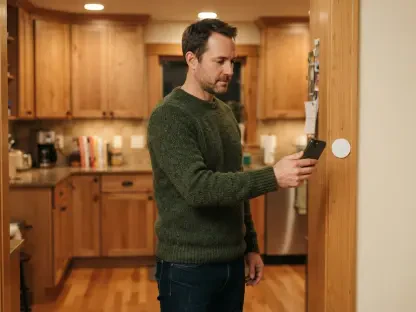
Beyond window treatments, the challenge of automating traditional wall switches and non-connected buttons is solved through mechanical button pushers. These small, battery-operated arms can be placed over almost any toggle or rocker switch, providing a physical solution to a digital problem. Rather than hiring an electrician to rewire a home or replace standard light switches with expensive smart versions, these gadgets allow for remote control of existing infrastructure. This is particularly beneficial in older homes where neutral wires may be missing, making standard smart switch installation difficult or impossible. By using a simple Bluetooth or Wi-Fi bridge, these pushers can be integrated into broader smart home routines, such as turning off every light in a room with a single voice command. This approach preserves the original aesthetics of the home while granting the convenience of modern wireless connectivity, demonstrating that innovative engineering can overcome architectural limitations.
2. Control Power Consumption with Smart Plugs
Smart plugs remain the cornerstone of any budget-friendly automation strategy because they offer immediate utility for a wide range of standard appliances. These slim devices plug directly into existing wall outlets, acting as a gateway that allows users to toggle power to lamps, fans, or kitchen equipment through a mobile application. The primary advantage of high-quality smart plugs is their ability to transform standard hardware into connected assets without requiring any internal modifications to the appliances themselves. For instance, a basic coffee maker can be programmed to start heating at a specific time every morning, or a floor lamp in a hard-to-reach corner can be controlled with ease. The compact design of modern ultra-mini plugs ensures that adjacent outlets remain unobstructed, allowing for maximum flexibility in crowded power strips or small rooms. This versatility makes them an essential first purchase for anyone looking to experience the benefits of home automation.
Monitoring and managing energy consumption is another critical feature that adds value to these affordable plugs beyond simple on-and-off functionality. Many modern versions include built-in energy monitoring tools that provide real-time data on how much electricity a specific appliance is consuming throughout the day. This information is invaluable for identifying power draws from electronics that stay in standby mode, helping homeowners reduce their monthly utility bills over time. By setting up automated schedules or using geofencing technology, these plugs ensure that non-essential devices are completely powered down when the house is empty. This proactive approach to energy management helps offset the initial cost of the device within just a few months of operation. Furthermore, the integration with larger platforms allows for complex automation sequences, such as turning off all peripheral electronics when a nighttime scene is activated, enhancing both convenience and residential safety.
Enhancing Safety and Lighting
3. Simplify Ambiance with Smart LED Bulbs
Achieving a specific ambiance in a living space used to involve complex dimmer switches and expensive lighting design consultations, but smart LED bulbs have simplified this process. Modern options, particularly those designed for direct-to-consumer accessibility, do not require a central hub or complicated network configurations to function. These bulbs often use a combination of Bluetooth and Wi-Fi to connect directly to a smartphone, allowing for instant control over brightness and color temperature. The ease of setup makes them an attractive option for renters or those who are not technically inclined, as the installation is as simple as screwing in a standard lightbulb. With the ability to cycle through millions of colors or adjust the warmth of white light, these devices can completely transform the mood of a room for a very low price. This no-fuss philosophy ensures that users spend more time enjoying their environment and less time troubleshooting network connectivity or hardware issues.
Remote operation and scheduling further enhance the utility of these streamlined lighting solutions, providing both security and convenience. Users can program their lights to mimic occupancy while they are away on vacation, discouraging potential intruders by creating the appearance of a lived-in home. Additionally, the ability to group multiple bulbs into zones allows for coordinated lighting changes across an entire floor or specific room with a single tap on a mobile device. For those who prioritize wellness, many smart bulbs offer circadian modes that automatically shift the light from cool blue tones in the morning to warm amber hues in the evening, supporting natural sleep patterns. This level of sophisticated environmental control was once reserved for high-end home theaters or luxury estates, but the current market has made it available to anyone with a standard lamp. By focusing on reliable, hub-free designs, manufacturers have successfully lowered the barrier to entry for high-quality home lighting.
4. Prevent Damage Using Fire and Leak Detectors
While convenience and ambiance are popular reasons to invest in home technology, safety-oriented gadgets provide the most significant long-term value by protecting property from unforeseen disasters. Fire sensors that monitor the electrical health of a home represent a proactive shift in domestic security, moving beyond traditional smoke detectors that only alert residents after a fire has started. These advanced devices plug directly into a standard outlet and constantly analyze the home’s electrical grid for microscopic changes that indicate a potential fire hazard, such as arcing or overheating wires. By identifying these issues before they escalate into a dangerous situation, homeowners can address faulty appliances or old wiring before a catastrophe occurs. The quiet, background operation of these sensors provides peace of mind without requiring daily interaction, making them a reliable solution that serves as a critical layer of defense for the modern household.
Water damage is another major risk that can be mitigated through the strategic placement of affordable moisture sensors in high-risk areas like basements, kitchens, and bathrooms. These small, battery-operated devices are designed to detect even minor amounts of water accumulation and immediately send notifications to a user’s phone or email. This early warning system is essential for preventing the extensive mold growth and structural damage that often result from undetected leaks under sinks or behind appliances. Because these sensors are inexpensive and easy to install, it is feasible to place them near every potential water source in the house, from the water heater to the dishwasher. Some advanced models can even be paired with smart water shut-off valves to automatically stop the flow of water the moment a leak is detected, although the sensors alone provide a high degree of protection. This low-cost insurance policy against property damage demonstrates how smart technology can be a vital tool for essential maintenance.
Monitoring Appliances and Scalability
5. Add Intelligence to Old Appliances with Sensors
Adding intelligence to aging appliances that are still in good working order is an excellent way to enjoy modern connectivity without the massive expense of purchasing new hardware. Vibration sensors offer a creative solution to this problem by detecting the movement associated with washing machines, dryers, or even dishwashers. By attaching a small, unobtrusive sensor to the exterior of an appliance, the device can monitor the specific vibrations of a cleaning cycle and notify the user the moment the task is complete. This eliminates the need to repeatedly check the laundry room or worry about clothes sitting in a damp washer for hours. The sensitivity of these sensors can often be adjusted via an app to distinguish between the various stages of a cycle, providing a level of detail that rivals the built-in smart features of expensive 2026 model year appliances. This method allows homeowners to bridge the gap between their reliable older machines and the conveniences of a fully connected home ecosystem.
The economic and environmental benefits of using sensors to upgrade existing machines are substantial, as it encourages the continued use of functional hardware instead of contributing to electronic waste. Most major appliances are built to last for over a decade, yet they often lack the notification features that modern consumers desire. By spending a small amount on a vibration or door sensor, a homeowner can effectively upgrade a ten-year-old dryer for a fraction of the cost of a new unit. This modular approach to technology allows users to customize their automation based on their specific needs rather than being forced into a comprehensive and expensive ecosystem. Furthermore, these sensors are often highly versatile and can be repurposed for security tasks, such as monitoring a jewelry drawer or a medicine cabinet, if they are no longer needed on an appliance. This flexibility ensures that the investment continues to provide value even as the user’s needs and living situations change over time.
Is building a smart home affordable for everyone?
The scalability of modern home automation ensures that building a responsive living environment is achievable regardless of a person’s financial situation or technical expertise. The transition away from rigid, all-in-one systems has led to a marketplace filled with interoperable gadgets that can be added one at a time to address specific household pain points. This plug-and-play philosophy means that a user can start with a single pair of smart plugs and gradually expand their system as their budget allows, without ever needing professional installation or a major overhaul of their existing infrastructure. By focusing on devices that offer high reliability and solve real-world problems—such as security risks or high energy bills—homeowners can create a customized environment that perfectly fits their lifestyle. The modular nature of these upgrades allows for constant evolution, ensuring that the home remains modern and efficient as new innovations become available in the coming years.
Actionable steps were taken by consumers who recognized that the most impactful upgrades often involved the smallest investments. Instead of waiting for a complete home renovation, many homeowners began their automation journey by identifying the most repetitive manual tasks in their daily routines. They looked at light switches that were hard to reach, appliances that lacked notifications, and areas of the home vulnerable to leaks or electrical issues. By selecting targeted, affordable sensors and motorizers, these individuals successfully transformed their living spaces into proactive environments that saved time and reduced stress. This strategic approach proved that a high degree of household intelligence was attainable without exceeding a one-hundred-dollar threshold. Moving forward, the focus remained on maintaining these systems through simple battery checks and occasional firmware updates to ensure long-term reliability. Ultimately, the shift toward democratization allowed everyone to participate in the benefits of a modern, automated home.