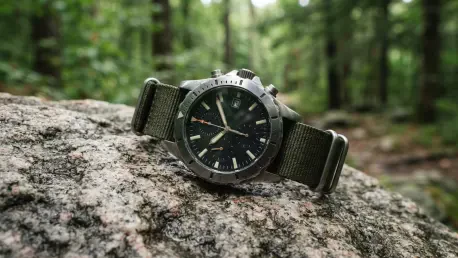

Athletes frequently encounter ‘feature fatigue’ when selecting a device, discovering that the most expensive model with the longest spec sheet may not align with their specific training environment. The current state of wearable technology has reached a point where the distinction between a simple fitness tracker and a medical-grade diagnostic tool is increasingly blurred. In 2026, the marketplace is saturated with devices that promise to revolutionize performance, yet the true value of these tools lies in their ability to provide actionable insights rather than just raw data points. For the modern runner, the challenge involves navigating a sea of technical specifications, from multi-band global navigation satellite systems to advanced physiological metrics like heart rate variability and blood oxygen saturation. This environment requires a disciplined approach to selection, focusing on how a device interacts with the wearer’s specific goals, whether they are training for a first 5K or a mountainous ultramarathon. The proliferation of high-end features across all price tiers means that budget-friendly options now offer capabilities once reserved for elite athletes, making the decision process more nuanced than simply looking at a price tag. Efficiency in 2026 is measured by how well a watch integrates into a daily routine while providing the specific metrics necessary to avoid injury and optimize recovery, rather than just tallying the highest number of sensors.
The Methodology of Field Performance: Beyond Laboratory Metrics
The assessment of running watches in 2026 has moved away from sterile laboratory environments toward intensive, real-world stress testing. Professionals in the field now spend thousands of hours across diverse terrains to verify whether the marketing claims of manufacturers hold up under the duress of actual training. This process typically involves side-by-side comparisons where a tester wears a different flagship model on each wrist during the same run. This method effectively isolates variables such as atmospheric interference, tree canopy density, and urban canyon effects, providing a direct comparison of GPS accuracy and optical heart rate consistency. By analyzing how different sensors react to the same biological and environmental stressors, testers can identify which algorithms are truly superior at filtering out the noise inherent in wrist-based data collection. This rigorous approach ensures that an athlete can trust the distance and pace data appearing on their screen, regardless of whether they are running through the dense fog of the Pacific Northwest or between the towering skyscrapers of a major metropolitan hub.
Furthermore, the diversity of the testing teams is a cornerstone of accurate reporting in 2026. A device that performs perfectly for a road runner maintaining a steady cadence might struggle when subjected to the erratic arm movements of a technical trail runner or the slow, high-effort climb of a mountain athlete. By incorporating feedback from ultramarathoners, daily commuters, and vertical-gain specialists, modern reviews provide a multi-faceted view of device performance. These testers evaluate not just the accuracy of the data, but the practical durability of the hardware in extreme conditions ranging from freezing alpine temperatures to the high humidity of coastal regions. This level of scrutiny reveals how sweat, mud, and dust can affect button responsiveness and charging port integrity over long periods. It highlights the reality that a watch is only useful if it remains functional throughout the entirety of a goal race or a multi-day expedition, making the “lived experience” of the tester a vital component of the selection process for any consumer looking for a reliable training partner.
The final pillar of current testing philosophy focuses on the permanence of hardware versus the fluidity of software. While manufacturers frequently issue over-the-air updates to refine GPS algorithms or introduce new training metrics, the physical chassis and the fundamental user interface remain unchanged for the life of the product. Testers in 2026 prioritize the tactile experience of using a watch when the runner is physically exhausted and mentally drained. A touchscreen that becomes unresponsive when wet or buttons that are too small to operate with gloves can be significant drawbacks, regardless of how advanced the internal software might be. This perspective encourages buyers to focus on the ergonomics of the device, such as the weight distribution on the wrist and the legibility of the display at a glance. Long-term reliability is prioritized over flashy, unproven features, as the most effective training tool is one that works consistently every time it is strapped on, providing a seamless bridge between the athlete’s physical effort and their digital training log.
Material Science and Structural Durability: The Anatomy of a Watch
The cost of a running watch is largely dictated by its structural materials, which serve as the primary line of defense against the elements and physical impact. In 2026, the industry has standardized three main tiers of construction. Entry-level devices typically utilize reinforced polymers, which are prized for their lightweight properties and high resistance to impact. While these plastic-based materials are excellent for maintaining a low profile during high-intensity workouts, they are more susceptible to aesthetic wear, such as scuffs and scratches, over years of use. For the casual road runner, these materials offer the best performance-to-weight ratio, ensuring that the watch does not become a literal burden during a sprint. However, those who frequently venture into rugged environments often find that the slightly higher weight of metallic components is a necessary trade-off for the increased longevity and structural integrity they provide during accidental falls or contact with abrasive surfaces like rock and ice.
Moving into the premium segments, stainless steel and titanium have become the dominant materials for bezels and case backs. Titanium, in particular, is the favored choice for high-end endurance watches because it offers an exceptional strength-to-weight ratio and is inherently hypoallergenic and corrosion-resistant. This makes it ideal for athletes who wear their devices 24/7, as it resists the salt from sweat and the chemicals found in swimming pools or the ocean. Beyond its functional benefits, titanium provides a professional aesthetic that allows the watch to transition easily from a morning trail run to a corporate environment. The use of these high-grade metals also improves the grounding of internal sensors, potentially leading to better signal reception for both satellite and biological data. For an athlete looking for a device that serves as a long-term investment, the move toward titanium construction represents a shift toward a “buy once, use forever” mentality that characterizes the more sustainable consumer habits of the mid-2020s.
The lens material is perhaps the most critical component for long-term legibility and protection. While standard chemically strengthened glass is common and offers excellent clarity, sapphire crystal remains the benchmark for durability in 2026. Sapphire is virtually immune to scratches from common environmental hazards like sand, gravel, and granite, ensuring that the screen remains clear even after years of abuse. However, there is a minor trade-off in terms of optical performance; sapphire can be slightly more reflective than high-quality glass, which sometimes makes the screen harder to read in specific direct-sunlight angles. Some manufacturers have addressed this by applying sophisticated anti-reflective coatings, but the core choice remains between the ultimate scratch resistance of sapphire and the slightly better clarity of glass. For the trail runner or the outdoor enthusiast, the peace of mind offered by sapphire is usually worth the premium, as a scratched screen can render even the most advanced navigational maps difficult to use during a critical moment.
The Ergonomics of Wearability: Straps and Sensor Optimization
Achieving high-quality data in 2026 is as much about the fit of the watch as it is about the internal sensors. The relationship between the strap and the wrist is fundamental to the accuracy of optical heart rate (OHR) monitoring, which relies on consistent skin contact to measure blood flow. The industry currently sees a significant divide between silicone and nylon options. Silicone straps are the traditional choice due to their waterproof nature and ease of maintenance; they do not absorb sweat and can be quickly rinsed after a workout. However, silicone lacks breathability, which can lead to skin irritation during ultra-endurance events or in high-heat environments. Additionally, silicone can be somewhat “stretchy,” which might allow the watch to bounce slightly during a vigorous downhill run, causing the OHR sensor to lose its lock and provide erroneous heart rate spikes or drops that can skew training data and recovery metrics.
In contrast, nylon hook-and-loop straps have seen a massive surge in popularity among the serious running community. These straps offer a far more precise fit because they allow for “infinite” adjustability, rather than being limited by pre-drilled holes. This allows the runner to tighten the watch just enough to ensure the sensor is flush against the skin without restricting circulation. The breathable nature of woven nylon also makes it much more comfortable for 24-hour wear, which is essential for athletes who rely on the watch for sleep tracking and recovery analysis. While nylon takes longer to dry after a swim or a shower, the benefits of improved data accuracy and reduced skin friction often outweigh the minor inconvenience of a damp strap. Many professional runners now view the strap not just as a fastener, but as a critical component of the sensor system itself, choosing their material based on the specific demands of their climate and the duration of their typical training sessions.
Weight distribution is another ergonomic factor that has gained attention as watches have become more feature-rich. A large, heavy watch face paired with a flimsy strap can lead to “lugging,” where the device shifts significantly on the wrist, leading to discomfort and data inaccuracy. Manufacturers have responded by creating more ergonomic case shapes that follow the natural curvature of the wrist and by optimizing the placement of the center of gravity. For runners with smaller wrists, the trend in 2026 has been toward “S” or “Small” variants of flagship models, which provide the same internal technology in a more compact chassis. This shift recognizes that a watch that is too large for the wearer’s anatomy will never provide accurate heart rate data, as the gaps between the sensor and the skin will allow ambient light to interfere with the readings. The selection process now emphasizes that a smaller, well-fitting watch will always outperform a larger, more expensive model that does not sit securely during movement.
Visual Clarity: The Memory-In-Pixel Versus AMOLED Debate
The choice of display technology in 2026 represents a fundamental divide in how runners interact with their data. On one side, Memory-in-Pixel (MIP) displays continue to be the preferred choice for dedicated endurance athletes. MIP screens are reflective rather than transmissive, meaning they utilize ambient light to illuminate the pixels. This makes them exceptionally clear in direct sunlight—the brighter the day, the easier the screen is to read. The primary advantage of MIP technology is its extreme energy efficiency; it requires almost no power to maintain a static image, which is the secret behind the multi-week battery life of many high-end sports watches. For the runner who values utility over aesthetics and who participates in multi-day events or long backcountry missions where charging is impossible, the MIP display remains an unrivaled tool for constant, low-power visibility.
Conversely, the rise of AMOLED (Active-Matrix Organic Light-Emitting Diode) screens has brought smartphone-level clarity and color depth to the wrist. These displays are emissive, meaning each pixel produces its own light, resulting in vibrant colors and perfect black levels. In 2026, software optimizations and hardware efficiency have reached a point where AMOLED watches can easily last a full week or more, even with an always-on display setting. These screens are significantly better than MIP in low-light conditions, such as early morning or late evening runs, and they make topographic maps far easier to interpret thanks to the high resolution and contrast. However, AMOLED screens can still struggle with glare when viewed through polarized sunglasses, and they are inherently more power-hungry than MIP. The choice often comes down to the user’s aesthetic preference and typical running environment; those who want a premium “smartwatch” experience often choose AMOLED, while those who prioritize rugged efficiency stick with MIP.
The psychological impact of the display also plays a role in how athletes train. The vibrant, high-refresh-rate animations of an AMOLED screen can make the user interface feel more responsive and modern, which some runners find more engaging and motivating. On the other hand, the more understated and “always-legible” nature of a MIP display can be less distracting, allowing the runner to focus more on the environment and their internal physical cues rather than a glowing screen. Some manufacturers have attempted to bridge this gap by offering flagship models in both screen variants, recognizing that there is no universal “best” display. As we move deeper into 2026, the gap in battery life between the two technologies is narrowing, but the fundamental difference in how they handle light remains the deciding factor for most buyers who must choose between the “digital paper” feel of MIP and the “vibrant cinema” feel of AMOLED.
Navigational Accuracy: Multi-Band GNSS and Signal Integrity
Satellite tracking has evolved from a luxury feature to a baseline requirement for any serious running watch in 2026. The current standard is multi-band, or dual-frequency, GNSS (Global Navigation Satellite System) tracking. This technology allows a watch to receive signals from multiple satellite constellations—such as GPS, GLONASS, Galileo, and BeiDou—on two different frequency bands simultaneously. The primary benefit of this dual-frequency approach is the reduction of “multipath” interference. In environments where satellite signals are prone to bouncing off surfaces, such as high-rise city streets or narrow mountain canyons, older single-band watches often recorded “GPS drift,” where the tracked path would appear to go through buildings or across rivers. Multi-band systems can filter out these reflected signals by comparing the arrival times of the two different frequencies, resulting in a much more accurate representation of the actual path taken.
This precision is not merely for the sake of having a clean line on a map; it directly impacts real-time pace and distance metrics. For a runner attempting to hit a specific pace during a workout, even a small error in distance calculation can lead to a significant discrepancy in the reported pace. In 2026, the high-speed processing chips inside modern watches can update the positional data multiple times per second, providing a smooth and responsive “instant pace” that was once impossible to achieve. This level of accuracy is also vital for the “auto-climb” and “vertical speed” features used by trail and mountain runners. By combining high-fidelity GNSS data with a barometric altimeter, the watch can precisely track elevation gain and loss, allowing the athlete to manage their effort more effectively on varying terrain. The peace of mind that comes from knowing the data is accurate allows the runner to focus entirely on their performance rather than questioning the reliability of their wrist-based computer.
However, the use of multi-band GNSS is the single largest drain on a watch’s battery. To manage this, manufacturers in 2026 have introduced intelligent “AutoSelect” modes that dynamically switch between single-band and multi-band tracking based on the strength and quality of the satellite signal. If a runner is in an open field with a clear view of the sky, the watch will conserve power by using a less intensive tracking mode. As soon as the runner enters a forested area or a dense urban environment, the watch automatically scales up to full multi-band tracking to maintain accuracy. This intelligent power management ensures that the athlete gets the best possible data when they need it most without unnecessarily sacrificing battery life during the easier portions of their run. For most buyers, ensuring that a watch has this multi-band capability is the most important factor for future-proofing their purchase and ensuring consistent performance across all training environments.
Cartography on the Wrist: The Rise of Full Topographic Mapping
The ability to view detailed maps on a watch has transformed how runners explore new routes and navigate technical terrain. In 2026, the distinction between “breadcrumb” navigation and full topographic mapping is a major factor in the selection of a high-end device. Breadcrumb navigation involves following a simple line on a blank background; while it is effective for staying on a pre-loaded course, it provides no context about the surrounding environment. If a runner needs to take a detour due to a closed trail or a sudden weather event, breadcrumb maps offer no information on alternative paths or nearby landmarks. This can lead to dangerous situations in remote areas where knowing the location of a nearby road or water source is critical for safety.
Full topographic (Topo) maps, by contrast, provide a rich, color-coded display of the landscape, including contour lines, vegetation types, and labeled points of interest. Modern watches in 2026 often include pre-loaded maps for entire continents, with the ability to download more specialized data like high-resolution satellite imagery or winter-specific ski maps. The integration of touchscreens has made these maps significantly more usable, allowing the runner to pan and zoom across the terrain just as they would on a smartphone. This capability is particularly useful for “on-the-fly” route creation, where the watch can suggest a circular path based on a desired distance or navigate the user back to their starting point using the most efficient trails. For the trail runner or the adventurous traveler, having a full-scale map on the wrist is a game-changer that eliminates the need to constantly check a phone or paper map in challenging conditions.
Furthermore, the integration of mapping with other sensors has led to features like “ClimbPro” or similar terrain-aware algorithms. These tools analyze the upcoming elevation profile of a loaded course and provide real-time data on the length, gradient, and remaining ascent of the current hill. This allows the runner to pace themselves perfectly, knowing exactly when a climb will end and when they can expect a recovery period. In 2026, these maps also include “popularity routing,” which uses billions of miles of uploaded activity data to highlight the most frequently used trails and roads. This ensures that the watch doesn’t just suggest the shortest path, but the most “runnable” and safe path based on the experiences of thousands of other athletes. This collective intelligence, displayed directly on the watch face, makes exploring unknown areas safer and more enjoyable than ever before.
Energy Independence: Solar Charging and Battery Optimization
Battery life remains the primary concern for the endurance community, and 2026 has seen remarkable strides in both storage capacity and energy harvesting. The “Endurance” category of watches has emerged as a distinct segment, characterized by massive batteries that can power a device through 100-mile races and beyond without a single charge. However, the most significant innovation is the widespread adoption and improvement of solar charging technology. Modern solar-harvesting rings and transparent solar layers over the display are now significantly more efficient at converting sunlight into electricity. In ideal conditions, some watches can now achieve “unlimited” battery life in basic smartwatch mode, and they can meaningfully extend the tracking time during outdoor activities. For the runner who spends hours under the sun, solar power acts as a crucial buffer that slows the battery drain of high-intensity features like multi-band GPS and music streaming.
Power management software has also become more sophisticated, allowing users to create custom “Power Modes” that toggle specific sensors on and off. For instance, a runner might choose to keep the barometric altimeter and GPS active but turn off the heart rate sensor and phone notifications to squeeze an extra 20 hours of life out of the device during a multi-day hike. The watches of 2026 also feature intelligent “Low Battery” alerts that can predict how many hours of tracking remain based on current usage patterns and sunlight exposure. If the watch detects that it will not last until the end of a recorded activity, it can prompt the user to switch to a more efficient power mode mid-run. This level of control gives athletes the confidence to tackle long-distance goals without the fear of their device dying at a critical moment.
The physical size of the watch continues to be the most direct predictor of battery life, as larger cases simply have more room for physical battery cells. This has led to a trend where even road runners are opting for larger “Ultra” or “X” models to avoid the hassle of weekly charging. However, the industry has also improved “fast-charging” capabilities, with many 2026 models able to gain a full day’s worth of power from just ten minutes on a charger. This convenience has changed the habits of many runners, who now treat their watch more like a smartphone that can be “topped up” during a quick shower. When choosing a watch, the runner must balance the desire for a slim, lightweight profile against the need for the long-distance resilience that only a larger battery and solar integration can provide.
Physiological Analytics: HRV and Recovery Trends
The focus of sports watch software in 2026 has shifted from simply recording what an athlete did to interpreting how they are recovering. The most significant metric in this regard is Heart Rate Variability (HRV), which measures the variation in time between each heartbeat. HRV is a direct window into the autonomic nervous system, indicating whether the body is in a state of stress (low HRV) or recovery (high HRV). Modern watches track HRV overnight to establish a personal baseline and then compare each morning’s reading to that baseline to provide a “Recovery Score.” This allows runners to make data-driven decisions about their training intensity for the day; if the HRV is significantly below the baseline, it may be a sign to skip a hard workout in favor of an easy recovery run or a rest day.
Beyond HRV, the concept of “Training Load” has become more sophisticated, analyzing the cumulative stress of workouts over the past several weeks. The watch categorizes these loads into aerobic, anaerobic, and base training, providing a visual representation of whether the athlete’s training is balanced. If a runner is doing too much high-intensity work without enough low-intensity base miles, the watch will flag this as “unproductive” or “strained” training. This prevents the common mistake of “overreaching,” where an athlete pushes too hard for too long, leading to burnout or injury. In 2026, these systems have become much better at accounting for non-exercise stressors, such as poor sleep or high daily activity levels, providing a more holistic view of the runner’s readiness to train.
However, the 2026 guide to running watches emphasizes that these metrics are not infallible and should be used as a “second opinion” rather than an absolute rule. Different manufacturers use different algorithms to calculate recovery, and what one watch considers “optimal” might differ from another’s assessment. The key for any runner is to look for consistency and trends rather than reacting to a single day’s data point. The most successful athletes are those who combine the objective data from their watch with their own subjective feelings of fatigue and motivation. When used correctly, these physiological insights act as a safety net, helping to identify potential issues before they manifest as physical pain or illness, making the modern running watch a vital tool for long-term health and athletic longevity.
Choosing an Ecosystem: Brand Loyalty in 2026
When purchasing a running watch in 2026, the buyer is not just choosing a piece of hardware; they are choosing a software ecosystem that will house years of their personal health and performance data. Garmin remains the dominant force in the market, offering the most comprehensive and polished platform. Their “Garmin Connect” ecosystem is vast, providing everything from detailed topographic maps and local payment options to advanced coaching plans that adapt in real-time to the runner’s performance. The sheer volume of features can be overwhelming for some, but for those who want a “do-it-all” device that replaces their wallet, music player, and coach, Garmin’s ecosystem provides a level of integration that is difficult for other brands to match.
On the other end of the spectrum, Coros has built a loyal following by focusing on pure performance and data efficiency. The Coros ecosystem is designed for the serious athlete who wants a clean, no-nonsense interface that prioritizes metrics over “lifestyle” features. Their “Training Hub” is widely considered the best platform for coaches and data-focused runners to analyze long-term trends without the clutter of unwanted notifications or social features. Coros has also pioneered the idea of “backward compatibility,” frequently pushing major software updates to their older devices to ensure that their customers don’t feel forced to upgrade every two years. This commitment to longevity and value has made Coros the consensus choice for the efficiency-minded runner who wants professional-grade tools at a competitive price.
Suunto has carved out a unique niche by blending rugged Finnish design with a focus on aesthetic and environmental sustainability. Their watches are often praised for being the most visually appealing on the market, featuring clean lines and high-quality materials that look at home in any setting. The Suunto ecosystem is centered around the “Suunto App,” which excels in route planning and community heatmaps. In 2026, Suunto has also taken the lead in environmental transparency, providing detailed reports on the carbon footprint of each device’s manufacturing and shipping process. For the environmentally conscious runner who values design as much as data, Suunto offers a compelling alternative to the more tech-heavy ecosystems of its competitors. Choosing a brand often comes down to which of these philosophies aligns most closely with the runner’s personal values and training style.
Versatility Beyond Running: Specialized Multisport Functions
While many users primarily focus on running, the watches of 2026 are designed to be comprehensive multisport computers. For the triathlete, the ability to transition seamlessly between swimming, cycling, and running is a core requirement. Modern watches feature an “Auto-Transition” mode that uses motion sensors to detect when the athlete has finished their swim and moved to the bike, and later to the run, without the need for manual button presses. This allows the athlete to focus entirely on their race performance while the watch handles the data recording in the background. Additionally, the integration of power meter support for cycling and swim-specific metrics like stroke count and SWOLF scores ensures that the device is just as useful in the water or on the saddle as it is on the pavement.
Winter sports have also seen a significant integration of technology in 2026. Specialized “Ski” and “Snowboard” modes can now automatically differentiate between time spent skiing downhill and time spent on a chairlift. The watch will pause tracking during the lift ride and automatically resume when it detects a rapid descent, providing a clean data set that accurately reflects the day’s vertical feet and top speed. For the backcountry skier, the integration of topographic maps and barometric altimeters is a vital safety tool, allowing for precise navigation in low-visibility conditions. These specialized modes demonstrate that the modern running watch has become a year-round companion, adapting its data collection and display based on the specific activity and environment of the user.
Even niche activities like indoor climbing, bouldering, and surfing have dedicated tracking modes in 2026. These modes are not just labels for a standard activity file; they utilize the watch’s sensors to provide specific insights, such as the number of routes climbed, the difficulty of the grade, and the number of waves caught. For the “generalist” athlete who enjoys a wide variety of outdoor pursuits, the versatility of the modern sports watch is its greatest strength. It serves as a central hub for all physical activity, providing a unified view of fitness and stress regardless of the sport. When selecting a watch, it is important to consider these “extra” activities, as a device that supports a runner’s entire active lifestyle will always provide more value than one that is limited to a single discipline.
Sustainable Value: Investment and Long-Term Ownership
As we look at the marketplace in 2026, the concept of value has shifted from the lowest initial price to the lowest total cost of ownership over several years. High-end materials like titanium and sapphire crystal are no longer seen as mere luxuries but as essential components for a device intended to last four or five years. A cheaper, plastic-based watch might need to be replaced after two years due to a cracked screen or a worn-out chassis, whereas a premium model will remain functional and legible for twice that long. This “long-term investment” mindset is supported by the fact that the hardware capabilities of these watches have reached a plateau; a high-quality GPS sensor and heart rate monitor from 2026 will still be perfectly adequate for training in the late 2020s.
Furthermore, the secondary market for premium running watches has become incredibly robust. A well-maintained titanium watch from a reputable brand like Garmin or Coros retains a significant portion of its value, allowing owners to trade in their devices when they truly need an upgrade. Manufacturers have also made their devices more repairable, offering replacement batteries and screens rather than requiring the purchase of an entirely new unit. This move toward sustainability is a direct response to consumer demand for electronics that do not contribute to the growing problem of e-waste. For the runner, this means that spending more upfront on a durable, well-supported device is often the most financially and environmentally responsible choice.
The final consideration for value is the frequency and quality of software support. In 2026, the best brands are those that continue to provide security updates and new features to their older models. A watch that receives regular updates feels “new” for much longer, extending its useful life and preventing the feeling of obsolescence that often accompanies consumer electronics. When choosing a watch, runners should look at the brand’s history of supporting their legacy products. A company that treats its customers as long-term partners rather than one-time buyers is worth the premium, as it ensures that the watch will continue to be a reliable and evolving tool for the duration of the athlete’s training journey. This focus on longevity and support is the defining characteristic of the high-end wearable market in 2026.
Actionable Outcomes: Implementing a Device Strategy
The selection of a running watch in 2026 was once a matter of picking the most expensive model, but the process has evolved into a strategic alignment of hardware with specific lifestyle needs. For those who prioritized pure endurance and technical navigation, the shift toward titanium-clad, solar-powered devices with deep topographic mapping became the clear path forward. These athletes recognized that the initial investment in premium materials served as an insurance policy against the harsh realities of mountain environments. Meanwhile, the road-running community often found that the lighter, more affordable polymer-based models provided all the necessary data for structured training without the unnecessary bulk of expedition-grade hardware. By focusing on the specific “jobs” the watch needed to perform, runners successfully navigated the trap of feature fatigue and selected tools that enhanced their training rather than complicating it.
Looking back at the technological landscape, it was evident that the most successful users were those who integrated their devices into a holistic recovery strategy. Rather than viewing the watch as a simple recorder of miles, they utilized the burgeoning field of physiological analytics, particularly Heart Rate Variability and sleep consistency, to dictate their training intensity. This data-driven approach allowed for a significant reduction in overtraining injuries across the global running population. Moving forward, the focus for any runner should remain on the quality of their interaction with the device; if a watch is comfortable, legible, and easy to operate under pressure, it will continue to be a valuable asset regardless of future hardware releases. The ultimate takeaway from the 2026 market is that the best technology is that which disappears into the background, providing silent support and clear insights while the athlete remains the primary driver of their own physical progress.